 Gabriella
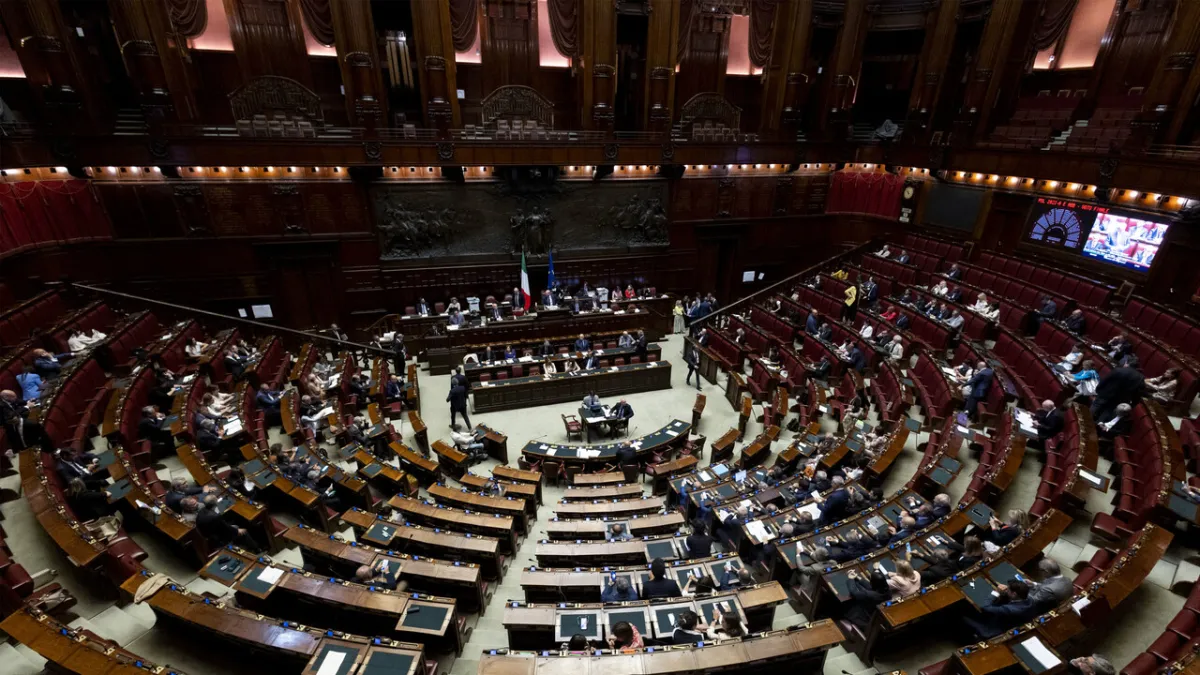
Rome — Italy’s electoral reform bill has officially moved to a crucial stage. After securing approval from the Chamber of Deputies last week, the legislative draft has now been forwarded to the Senate, marking a new chapter in the efforts to reshape the political system ahead of the 2026 elections. This process is expected to become a central focus of political debate in the coming period.
This bill, aimed at addressing Italy’s political fragmentation and frequent government changes, is considered a fundamental step towards greater stability. The legislative journey has garnered widespread attention across various political spectrums and from the public, given its significant impact on parliamentary composition and governmental effectiveness in the future.
The move to send the bill to the Senate follows a series of intensive discussions and votes in the Chamber of Deputies. This stage involved fierce debates among parties holding differing views on the ideal electoral structure and mechanisms. Majority support in the Chamber indicates an initial consensus, though still susceptible to changes at the Senate level.
The Senate’s Constitutional Affairs Committee will be the primary arena for scrutinizing the bill. This committee is tasked with thoroughly reviewing each article and clause, ensuring its constitutionality, and considering amendments that might be proposed by senators. Parliamentary sources indicate that discussions on the draft could commence as early as next week, signaling the urgency attached to this legislative initiative.
Italy’s political history is marked by various electoral law reforms, often aimed at overcoming governance challenges. From pure proportional systems to various mixed-member proportional variations, each change has always sparked profound discussions about representation, governmental efficiency, and public participation. This current bill aspires to create a more robust framework.
Political analysts predict the bill will face rigorous scrutiny in the Senate. Given the Senate’s composition, which often reflects a complex balance of political power, any attempt to modify the bill will likely trigger lengthy negotiations. Minority groups and the opposition will undoubtedly strive to secure their electoral interests.
One of the main points of contention is the parliamentary threshold and seat allocation methods, which have the potential to alter the landscape of political alliances. Some argue that this bill will strengthen larger parties, while others worry it might reduce the representation of smaller or regional parties. This balance is key in any democratic electoral system.
The ruling coalition government in 2026 hopes this bill can be enacted before the parliamentary recess concludes, allowing sufficient time for implementation before preparations for the next elections. However, the legislative process in the Senate is known for its distinct dynamics, often requiring more time than initially anticipated.
The public is also paying close attention to these developments. Various civil society organizations and advocacy groups have voiced their perspectives, urging transparency and inclusiveness in drafting legislation that will shape the future of Italian democracy. Public discussions are expected to intensify as time progresses.
Ultimately, the success of this bill will depend on the ability of policymakers to achieve constructive compromise. Given the urgency of reform and the hopes for a more stable government, the decisions made in the Senate will have long-term implications for Italy’s political direction in 2026 and beyond.