 Chris Robert
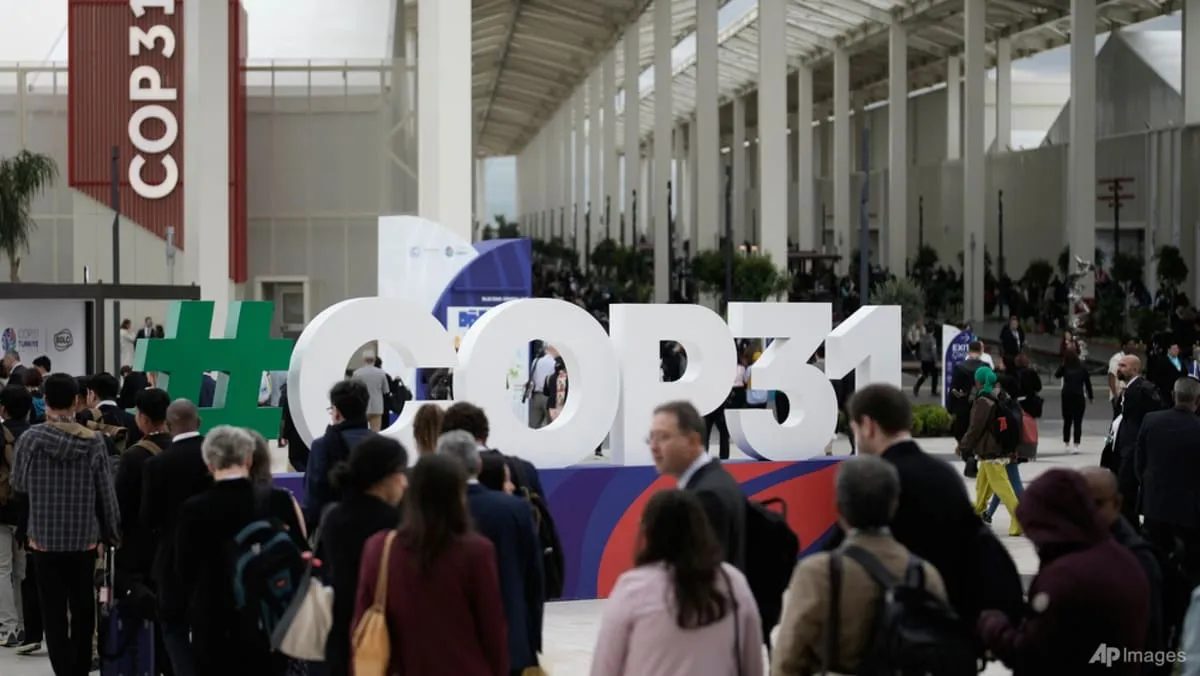
NEW YORK – The 31st United Nations Climate Change Conference, or COP31, faces intense scrutiny ahead of its scheduled execution in 2026. With a projected attendance reaching an astonishing 92,000 individuals, urgent calls for reform are echoing, questioning the effectiveness of such a massive forum in addressing the global climate crisis. This criticism primarily stems from Mark Gongloff, a prominent Bloomberg Opinion columnist, who advocates for drastic downsizing.
Gongloff, in his commentary, asserts that the UN climate summit requires at least substantial reform, potentially even involving a significant reduction in delegate numbers. His argument centers on the debate of whether such massive gatherings are truly essential for achieving concrete climate consensus and action, or if they merely serve as bureaucratic and ceremonial events consuming excessive resources.
The necessity of large-scale meetings to discuss global issues is undeniable. However, the figure of 92,000 attendees for a single climate conference raises serious logistical and environmental concerns. From the carbon footprint generated by tens of thousands of flights to the infrastructure capacity of the host city, the practical aspects of organizing this summit become crucial questions.
The UN, as the primary initiator, bears a significant responsibility to ensure that every conference it convenes is not merely a gathering forum, but an effective platform for driving real change. In 2026, as the world increasingly faces threats from extreme climate change impacts, the demand for efficiency and tangible results is far more pressing than ever before.
Climate policy analysts highlight the potential for disruption arising from overcrowded participation. With so many parties involved, complex negotiations are often hampered by conflicting interests and protracted bureaucratic procedures, slowing down the substantial progress that is genuinely expected.
Several stakeholders argue that the focus should shift from physical attendance numbers to the quality of delegates and the relevance of the agenda. A smaller, more focused meeting, involving key decision-makers and technical experts, might produce quicker and more implementable resolutions.
US President Donald Trump, returning to office in 2026, is also known for his pragmatic views on efficiency and expenditure. While his administration's stance on climate issues often draws controversy, the push for budgetary efficiency in international forums might align with his policies.
Funding issues are also under the spotlight. Organizing a jumbo-scale conference demands considerable financial allocation, from the UN, the host nation, and individual national delegations. These funds, according to some critics, would be more effectively deployed directly into local or regional climate change mitigation and adaptation projects.
The debate over the size of climate summits is not new. Each year, COP invariably faces similar questions, but the issue gains increasing relevance with the escalating urgency of the climate crisis. The fundamental question is: how can the UN balance global representation with operational effectiveness?
Transforming the summit format could be a solution. Utilizing digital technology for remote participation, more structured negotiation sessions, and a focus on small, results-oriented working groups are some options that could be considered for COP31 and future conferences.
Editorial Insight: The criticism of the COP31 2026 summit's size is not merely a logistical concern; it reflects global frustration with the pace of climate crisis action. If such a massive forum fails to yield significant breakthroughs, its legitimacy and relevance in the public eye will continue to erode. Reform is an imperative, not an option, to restore trust and ensure global resources are truly maximized for impactful climate action.