 Angel Doris
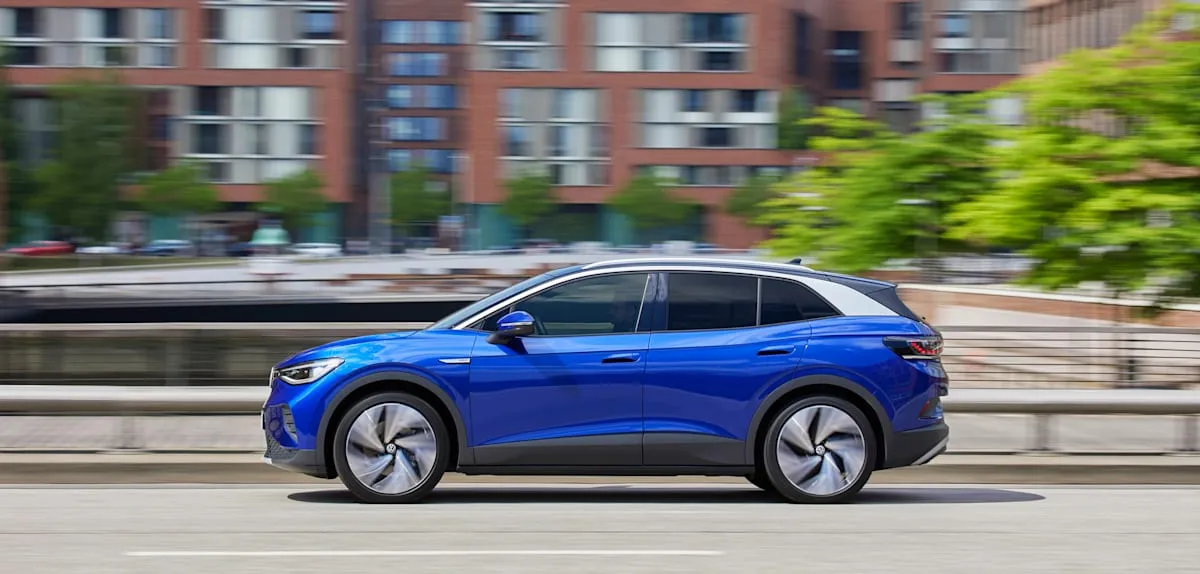
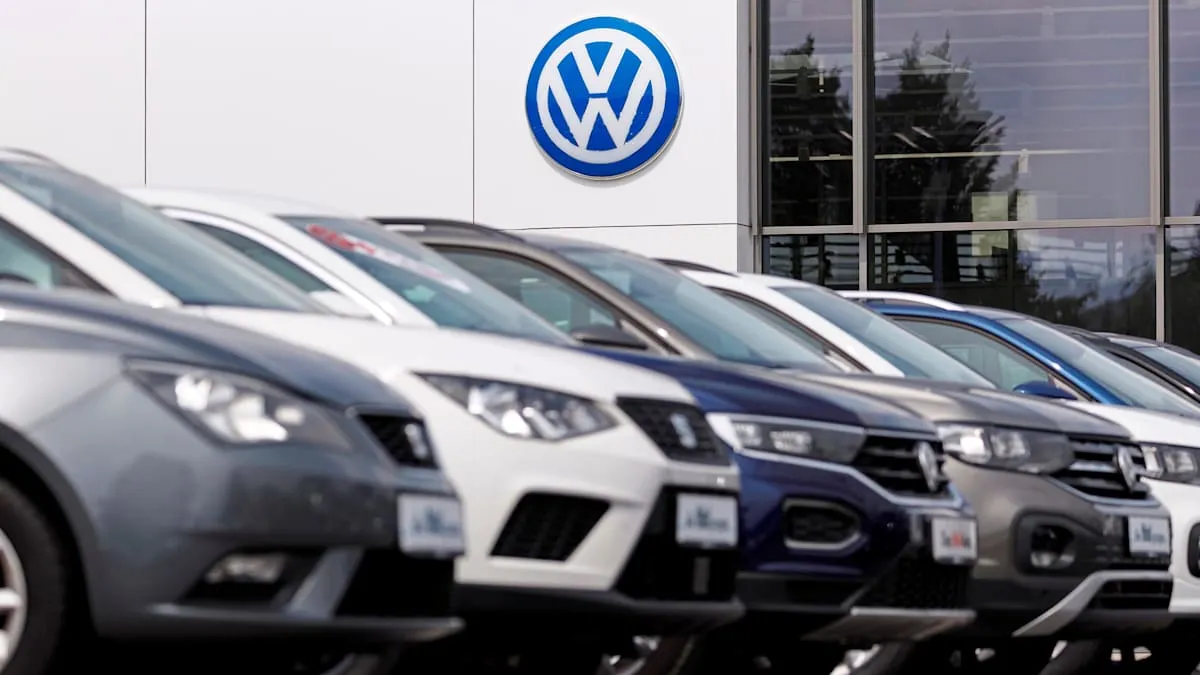
BERLIN – Germany's automotive market in 2026 is experiencing a remarkable phenomenon: a surge in demand for used electric vehicles. Recent data from the insurance company Huk-Coburg indicates that these eco-friendly vehicles are no longer shelf warmers but have become prime choices for consumers, even without the support of government purchase subsidy schemes.
This shift in consumer preference has surprised many, given that the used electric car market was previously often considered less appealing compared to new models that received incentives. Now, Huk-Coburg's report confirms that this segment is undergoing substantial growth, challenging traditional perceptions of electric vehicle ownership.
The surge suggests that factors such as more affordable initial prices, pre-existing depreciation on used cars, and increasing environmental awareness are key drivers. Consumers are beginning to recognize the long-term value of electric vehicle ownership, including lower operating costs.
As battery technology matures and charging infrastructure becomes more widespread, concerns regarding range and battery life in used electric cars are diminishing. This provides additional confidence for prospective buyers to opt for second-hand choices.
The absence of purchase subsidies for used electric cars actually highlights the true strength of the market. Organically growing demand indicates that the intrinsic value of electric vehicles, not merely government incentives, is now the primary attraction for buyers in Germany.
Automotive economist from the University of Hamburg, Dr. Klaus Richter, observed, This is a clear signal that the market has reached a turning point. German consumers no longer view used electric cars as a compromise, but as a smart, economical, and sustainable choice.
This phenomenon also has implications for automotive manufacturers' strategies. They may need to adjust production and pricing policies, not only for new models but also to maintain the residual value of electric models circulating in the secondary market.
Similar trends are predicted to spread to other European countries, especially amidst global inflationary pressures that make consumers more cautious in allocating their budgets. Germany's experience can serve as a barometer for the electric vehicle transition across the continent.
The German government previously actively provided subsidies to encourage the adoption of new electric cars. However, this latest data may trigger new discussions regarding the long-term effectiveness of incentive policies and the potential focus on developing a healthy secondary market.
The increase in used electric car sales also contributes to achieving national carbon emission targets. With more low-emission vehicles on the road, Germany's efforts to contribute to climate change mitigation appear increasingly concrete.
Editorial Insight: The shift in consumer preference in Germany towards used electric vehicles without subsidies signifies a significant evolution in the global automotive market. This is not merely about savings, but also about trust in technology and sustainability. This phenomenon has the potential to reshape the automotive industry's value chain, compelling manufacturers to consider product life cycles holistically, and challenging other nations to re-evaluate their energy transition strategies. Moving forward, quality, battery durability, and spare parts availability will be key in determining the dominance of the used electric car market.