 Angela Stefani
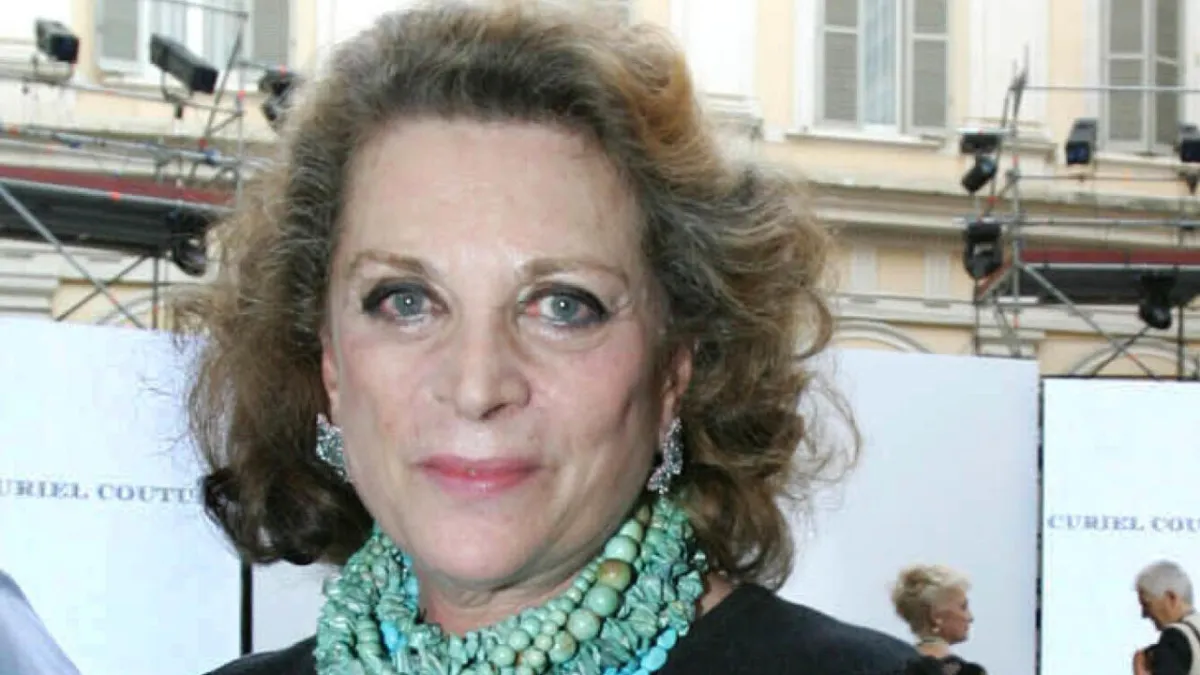
ROME – The global fashion world mourns the passing of Raffaella Curiel, a legendary Italian designer and a prominent intellectual, in 2026. The demise of this haute couture queen, whose creations adorned prominent figures at La Scala's opening nights and world leaders like Margaret Thatcher and Hillary Clinton, marks the end of an era of elegance and profound thought in the fashion industry.
Curiel, who enjoyed a brilliant career spanning over half a century, breathed her last at an unspecified advanced age, surrounded by her family and admirers. The Curiel fashion house, founded by her mother, Gigliola Curiel, in 1945, became a beacon of classic Italian style in Milan.
Curiel's role as the Regina della Prima della Scala was not merely a title. Each opera season opening at the La Scala Theatre in Milan served as Italy's most important haute couture showcase, where influential women displayed their most opulent creations. Her designed gowns consistently captured the spotlight, defining the aesthetic of the event.
Her client list included a global elite, confirming her reputation as the designer of choice for those holding power and influence. Among them were former British Prime Minister Margaret Thatcher and former First Lady of the United States Hillary Clinton, both of whom entrusted their style to Curiel's elegant touch.
Raffaella Curiel's design philosophy was not solely centered on aesthetics but also on the narrative behind each garment. She often incorporated elements of art, history, and literature, creating clothes that were not just beautiful but also possessed intellectual depth. This distinctiveness set her apart from many contemporary designers.
As a true intellectual, Curiel frequently contributed her thoughts through writings and interviews, enriching the discourse on the relationship between fashion, culture, and society. She believed that clothing was a form of self-expression reflecting the wearer's soul and the spirit of the times.
Her collections were known for their clean silhouettes, use of luxurious materials such as silk and cashmere, and meticulous detailing. Every stitch and fold showcased a dedication to high craftsmanship that had become a hallmark of Italian fashion. Classic colors and timeless cuts dominated her designs.
After taking full control of the fashion house from her mother, Raffaella Curiel successfully brought the Curiel name to the international stage. She maintained classic foundations while continually innovating, ensuring the brand's relevance amid rapid changes in fashion trends.
Her passing leaves a significant void in the Italian fashion industry. She was one of the pillars who kept the tradition of Italian haute couture alive and relevant, while paving the way for a new generation of designers to appreciate the legacy of authentic craftsmanship and beauty.
Although her physical presence is gone, Raffaella Curiel's legacy will live on through her timeless creations and profound design philosophy. Her successors at the Curiel fashion house are expected to continue carrying the banner of intellectual elegance that she so meticulously crafted.
Editorial Insight: Raffaella Curiel's passing in 2026 serves as an important reminder of the value of a designer who not only creates garments but also shapes cultural identity. Her legacy highlights the importance of intellectualism within the creative realm, challenging the perception that fashion is merely about superficiality. This is a loss for both the world of fashion and thought, prompting reflection on the future direction of the industry.