 Angela Stefani
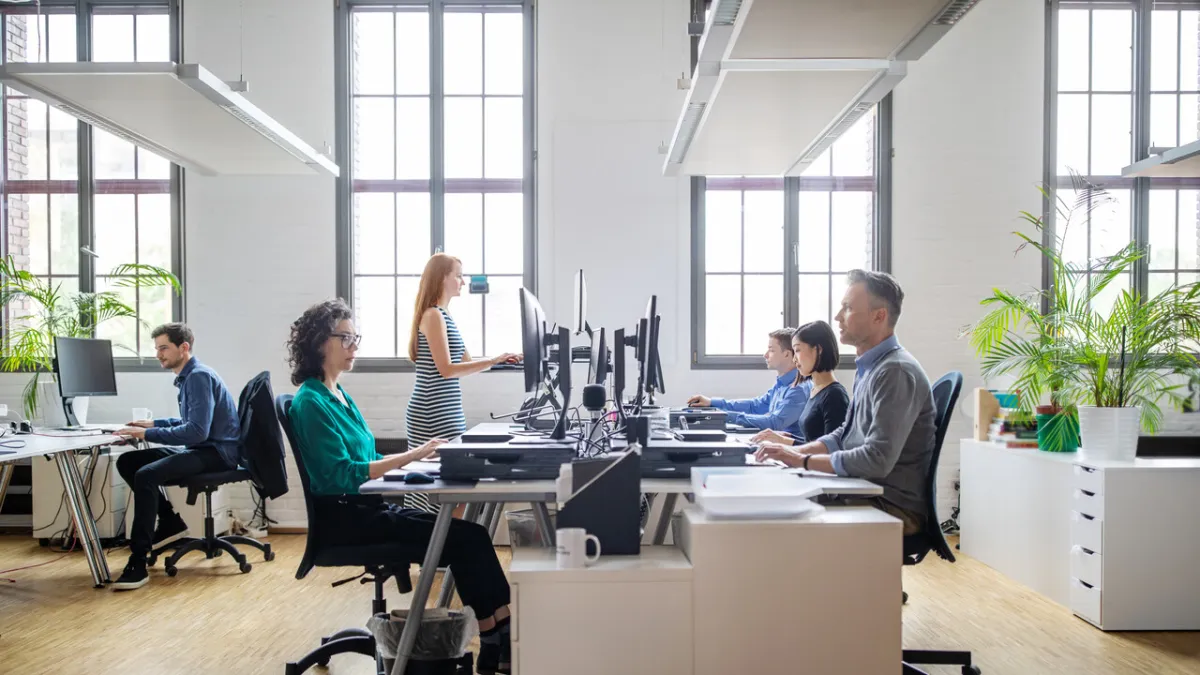
Jakarta – Recent studies in 2026 highlight that an ideal workspace arrangement is not merely about aesthetics but a crucial strategy to combat employee stress levels and significantly boost productivity. How can the physical environment, from lighting to desk layout, impact mental health and work efficiency? The debate surrounding 'scrivania al centro,' or the desk as the central focus in design, is now a key point amidst high performance demands.
Workplace stress has long been a global corporate concern. Reports from the World Health Organization (WHO) indicate that billions of dollars are lost annually due to decreased productivity and high absenteeism rates triggered by workplace pressure. This situation is exacerbated by office designs that often neglect ergonomic principles and environmental psychology.
The 'scrivania al centro' concept emerges as a design philosophy that positions the desk not just as furniture, but as the core of an employee's personal ecosystem. It encourages a holistic approach to individual space, ensuring every element—from monitors to accessories—supports comfort and focus. The goal is to create an environment that feels personal, even within a communal context.
Lighting plays a vital role in creating a conducive work atmosphere. Data sources show that offices with optimal natural lighting have employees who are more alert, energetic, and less likely to complain of headaches or eye strain. The integration of smart artificial lighting, capable of adjusting intensity and color, becomes an essential complement, especially in areas with minimal sunlight.
Beyond intensity, consistency and light distribution also significantly impact. Uneven or excessively glaring lighting can cause visual tension, which in turn contributes to stress and fatigue. Therefore, investment in adaptive lighting systems and architectural design that maximizes natural light ingress is a strategic step that every institution should consider.
The aspect of 'ordine' or tidiness is another pillar in designing an effective workspace. A cluttered desk often reflects a cluttered mind, hindering concentration and increasing frustration levels. A culture of maintaining neatness, supported by efficient storage systems, not only beautifies the environment but also optimizes workflow and minimizes visual distractions.
Adaptive and flexible workspace design is also important. The post-pandemic era of 2026 demands spaces capable of accommodating various work styles, from intense collaboration to deep individual focus. Dedicated areas for relaxation or creative activities can be a vital counterbalance to routine work pressures, providing opportunities for the mind to momentarily recover.
Ergonomics and environmental psychology experts agree that investing in a good work environment is an investment in human resources. A carefully designed environment can reduce the stress hormone cortisol, improve mood, and even trigger creativity. These are factors that cannot be ignored in an increasingly competitive global market.
Leading companies worldwide, including those in Germany and the United States, are seriously implementing these principles. They view it as part of a broader employee well-being strategy, directly impacting talent retention and enhancing the company's image among the public and prospective employees.
The integration of smart technology in space management, such as light level detection sensors or automated space scheduling systems, further strengthens design effectiveness. This allows spaces to evolve and adapt to the dynamic needs of their users, emphasizing that 'spazi per migliorare dove lavoriamo' (spaces to improve where we work) is an ongoing process.
Thus, the paradigm shift from the office as merely a place to work to an ecosystem that supports holistic employee well-being has become a necessity. Optimizing the workspace, with a focus on lighting, order, and adaptability, is not just a trend but a fundamental requirement for achieving sustainable productivity and mental health in the future.
Editorial Insight:
The shift in corporate focus towards workspace design demonstrates a more mature understanding of the correlation between the physical environment and individual performance. This phenomenon is not merely an aesthetic adjustment but a long-term strategic investment with the potential to yield significant returns through increased morale, employee retention, and greater innovation. Moving forward, offices will increasingly resemble holistic wellness centers rather than just rows of desks.