 Chandra Wijayanto
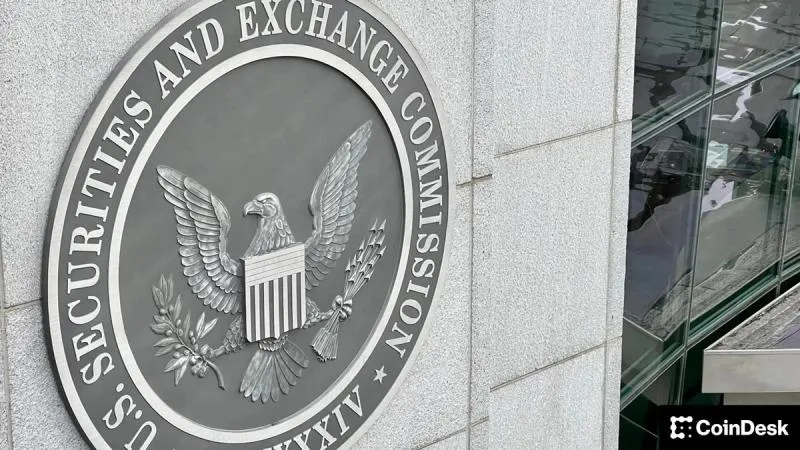
WASHINGTON, D.C. – BTCS, an Ether-based asset management firm, has officially warned the U.S. Securities and Exchange Commission (SEC) about the potential liquidation of its loan on the Aave platform. This critical situation is triggered by the sustained decline in Ether prices, pressuring collateral worth tens of millions of U.S. dollars and raising serious concerns in the crypto market.
The warning from BTCS, disclosed in early 2026, highlights the company's Aave loan, valued at approximately $54 million, which is now at risk of liquidation. Although the company has attempted to mitigate risk by reducing its Aave debt by about $10 million in the past ten days, market pressure on Ether continues to mount relentlessly.
Such a significant asset liquidation could create ripple effects across the increasingly interconnected digital financial ecosystem, especially for entities using crypto as collateral. This incident also underscores the inherent volatility of the crypto market and the complex risk management challenges faced by digital asset management firms amidst uncertainty.
The decline in the price of Ether, the second-largest cryptocurrency by market capitalization, reflects a pervasive bearish sentiment among investors. Global macroeconomic factors, evolving regulatory changes, and shifts in investor interest have all contributed to this significant downward trend.
The SEC's involvement in receiving this warning highlights the increasing regulatory oversight of the rapidly expanding crypto sector. Regulatory bodies are paying more attention to systemic risks and investor protection, particularly concerning decentralized finance (DeFi) instruments like Aave, which offer lending services.
For BTCS, this liquidation risk is not just an immediate financial threat but could also damage its reputation and investor confidence in the long term. The company is now in a precarious position, needing to navigate market pressures while striving to maintain operational stability and the value of its portfolio.
The Aave protocol allows users to lend and borrow crypto assets in a decentralized manner without intermediaries. This system relies on collateral exceeding the loan value; if the collateral's value falls below a certain threshold, the system automatically liquidates part or all of the collateral to cover the loan.
This BTCS case serves as an important study for the entire DeFi ecosystem, which is still in its early stages of development. It demonstrates that despite its innovativeness, decentralized lending mechanisms are not immune to extreme market turbulence and require careful risk management and adaptive strategies.
The debate over crypto regulation is intensifying across various jurisdictions. Many countries, including the United States, are working to develop comprehensive legal frameworks to protect the market without stifling potentially transformative innovation. The BTCS situation will likely be an important consideration in upcoming regulatory discussions.
Investors exposed to Ether or DeFi protocols are advised to carefully review their risk strategies. Volatility is a hallmark of this market, but incidents like the potential BTCS liquidation serve as a reminder of the need for diversification and a deep understanding of the assets held.
This context also aligns with the efforts of central banks and global regulators who are beginning to explore the potential of digital money and securities, albeit with a more measured and controlled approach to maintain financial stability.
Editorial Insight: The BTCS case is a stark warning to the broader crypto market. This is not merely an issue for one company, but a reflection of the fundamental challenges in managing highly volatile digital assets under evolving regulatory pressure. Moving forward, we are likely to see more companies in this sector strengthen their risk management and adapt to a stricter regulatory landscape to avoid similar fates, ensuring the sustainability of innovation in the digital asset space.