 Debby Wijaya
BRUSSELS – The European Commission has proposed a digital tax worth 5.2 billion euros, approximately Rp 90 trillion, amidst significant budget cuts. This ambitious move immediately sparked deep dissatisfaction from several member states known as 'frugal' as well as the European Parliament, signaling an escalating fiscal dispute at the heart of the bloc.
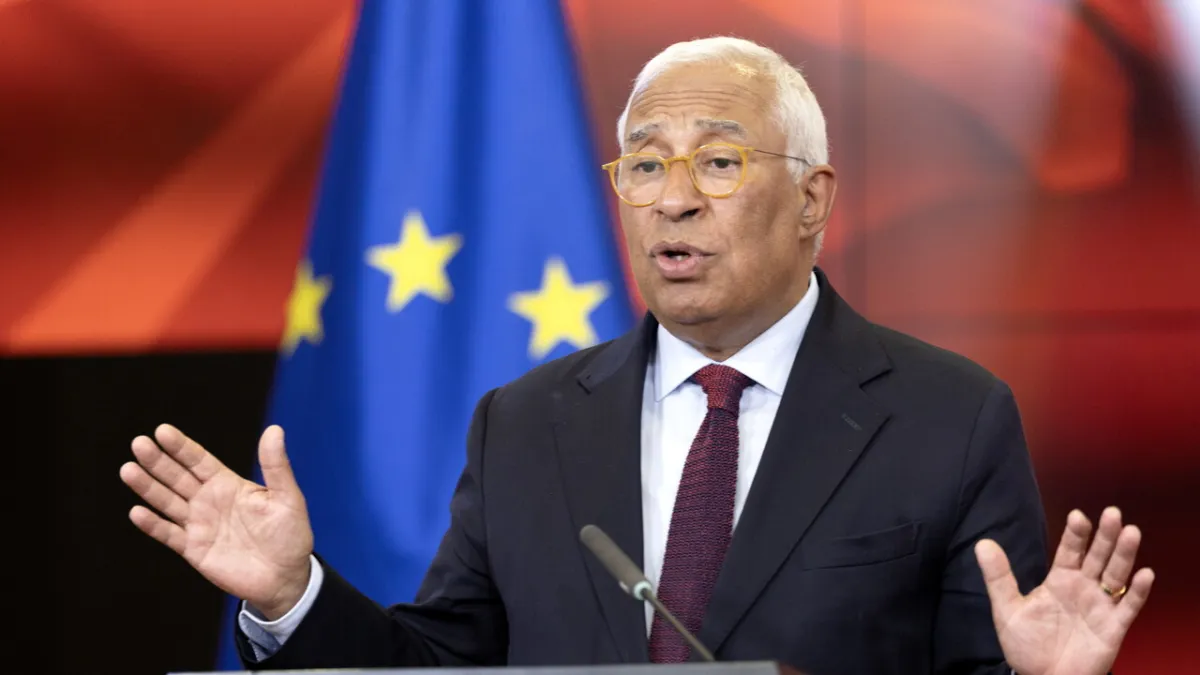
The proposal, touted as an innovative solution to replenish the bloc's depleted coffers, was presented by European Commission representative, Costa. He asserted that this initiative is a vital progressive step for the sustainability of future European Union projects.
This is an ambitious proposal, but crucial for the financial future of the European Union, Costa stated. He emphasized that amid global economic challenges in 2026, the bloc requires stable new revenue sources to support its strategic priorities.
The EU budget faces severe pressure due to various crises and continuously increasing spending commitments. Budget cuts have become unavoidable, yet at the same time, funding needs for the green transition, digitalization, and strategic resilience cannot be ignored.
However, the ambitious spirit of the European Commission clashes with resistance from the group of countries often called 'frugal'. They consistently advocate for austerity and object to new taxes perceived as burdensome for their economies and citizens. Countries like the Netherlands, Sweden, and Austria view this proposal as an unnecessary additional burden, especially when budget efficiency should be a top priority.
Similar dissatisfaction resonated from the European Parliament. Legislators there demand greater transparency and accountability in the use of every euro collected. Some members of parliament feel that the digital tax proposal has not comprehensively addressed the root problems in the European Union's financial management.
The debate over digital tax itself is not new. For years, the European Union has sought a fair formula to tax giant tech companies that often pay low taxes in countries with favorable tax rates. This latest proposal is an iteration of those ongoing efforts.
If approved, this digital tax would target revenues from digital services provided by large corporations, such as online advertising, data sales, and platform-based services. The goal is to ensure these companies contribute proportionally to the economies where they operate.
The implications of this tax are not limited to the technology sector. It also reflects a paradigm shift in the search for global fiscal resources, especially amid the economic volatility sweeping the world. This effort parallels various other global initiatives to reform the international tax system, as seen in numerous multinational economic agreements, including strategic partnerships such as the Indonesia-EU Mega Deal Expected to Boost Economy by Trillions of Rupiah by 2042.
Behind all this debate lies the significant interest of the European Union in maintaining its cohesion and capacity to face future challenges. The bloc's ability to reach a consensus on sensitive fiscal issues will serve as a barometer for its political strength and stability on the global stage.
Editorial Insight: The proposed 5.2 billion euro digital tax marks a critical juncture in the European Union's efforts to balance budget needs and member states' fiscal principles. The rejection from 'frugal' countries and the European Parliament is not merely opposition to a new tax, but a reflection of differing philosophies on how the EU should be funded and governed. If these negotiations drag on, the bloc's financial stability and capacity for innovation will be jeopardized. However, success in reaching a compromise could set a positive precedent for global digital tax reform and strengthen the EU's position as a resilient economic player.