 Angela Stefani
Jakarta — The professional cycling world in 2026 is witnessing a significant paradigm shift in athlete nutrition strategies, moving away from calorie obsession towards a more planned approach focused on optimal carbohydrate intake. This revolution, spearheaded by leading sports scientists and coaches, aims to maximize rider performance and endurance in every competition, from grand tours to single-day classic races. Nutella, surprisingly, is even cited as a quick energy source that is no longer avoided but has become part of the intake strategy on "big race days."
This change in philosophy marks a crucial evolution in understanding the body's fuel for athletes. Where previously calorie fear and intake restriction often dominated, attention has now shifted to the quality and timing of carbohydrate consumption as the primary foundation for strength and recovery. The practice of structured eating based on scientific plans, rather than merely following hunger instincts, has become the new norm across all top cycling teams globally.
Carbohydrates, as the main energy source, are crucial for replenishing muscle glycogen depleted during intense training and long races. Without adequate intake, athletes will experience 'bonking' or energy depletion, a fatal scenario in cycling. Nutrition experts now design highly personalized dietary programs, considering individual metabolism, training intensity, and race phases.
Interestingly, amidst these sophisticated strategies, foods like Nutella—a chocolate hazelnut spread rich in sugar and fat—have found their place in some riders' rations. During critical race moments, quick energy intake such as Nutella is acknowledged to provide a crucial instant power boost. This does not mean excessive consumption, but rather a strategic dose for immediate recovery and energy needs.
Unlike previous decades where athletes often followed highly restrictive and monotonous diets, the 2026 approach emphasizes flexibility while maintaining discipline. Riders no longer feel constrained, which positively impacts their mental health and adherence to long-term nutrition plans. The balance between nutrient-dense foods and occasional "treats" has become a key element.
This phenomenon is not limited to the professional arena. Cycling enthusiasts and amateur athletes are also beginning to adopt similar principles. They learn the importance of meal planning, identifying effective complex and simple carbohydrate sources, and understanding that food is a tool for performance, not just a palate satisfier.
\"Our paradigm has shifted drastically,\" stated Dr. Aria Wiratama, a sports nutrition expert from the International Cycling Association (ICA), during a press conference in Berlin earlier this year. \"Our focus is now on fuel optimization, not calorie deficit. The athlete's body is a precision machine that requires energy at the right time.\"
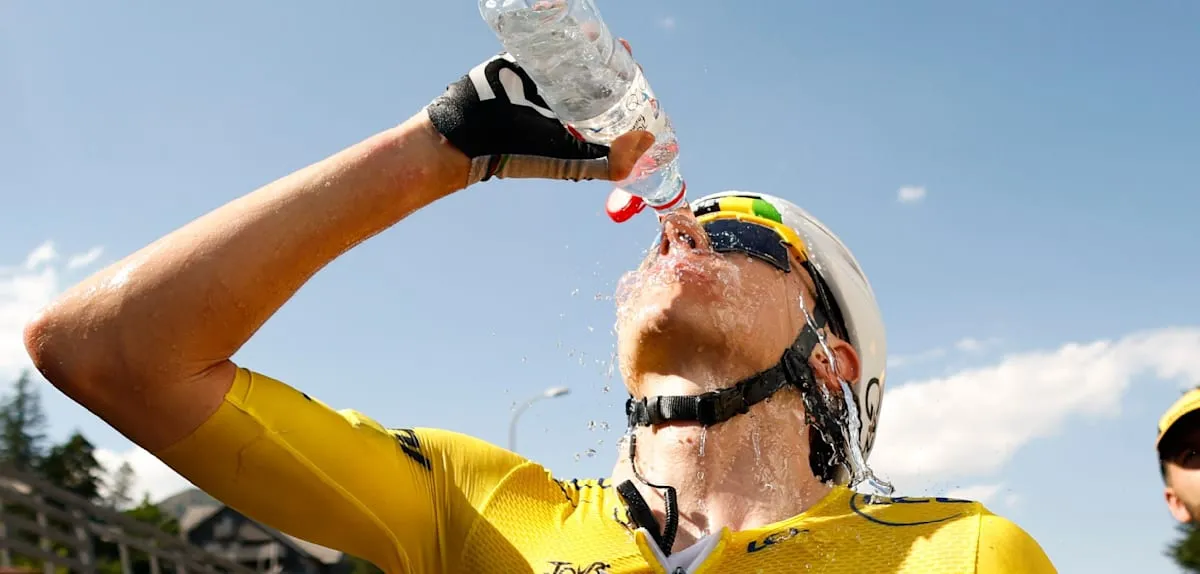
In addition to carbohydrates, optimal hydration and the use of scientifically proven supplements also remain critical pillars. Specially formulated electrolyte drinks, energy gels, and protein bars are now standard equipment tailored to individual needs and race stages. Strict monitoring of athletes' hydration levels through advanced technology ensures they never experience dehydration, which can drastically reduce performance.
The year 2026 also sees significant advancements in nutrition technology. Smartphone applications and wearable devices now offer real-time monitoring of glucose levels, calorie expenditure, and other nutritional requirements. This data is then analyzed by support teams for dynamic dietary adjustments, ensuring riders are always in peak condition.
This holistic nutritional approach requires strong synergy among athletes, coaches, nutritionists, and team chefs. Every aspect, from purchasing fresh ingredients to preparing meals in hotels during races, is meticulously planned. This ensures that every bite of food contributes to the ultimate goal: victory and the athlete's career longevity.
Such detailed preparation is key to avoiding unexpected incidents that can jeopardize performance. We can see how crucial thorough preparation is from the dramatic case of an athlete in the German Triathlon Drama, where the absence of even a small element can have a significant impact. Proper nutrition is one such crucial 'small element.'
The transformation of cycling nutrition in 2026 demonstrates that sports science continues to evolve, challenging old beliefs, and finding new methods to push the boundaries of human performance. From sophisticated carbohydrate strategies to the simple role of Nutella, every element is now seen as an integral part of the puzzle of victory.