 Angela Stefani
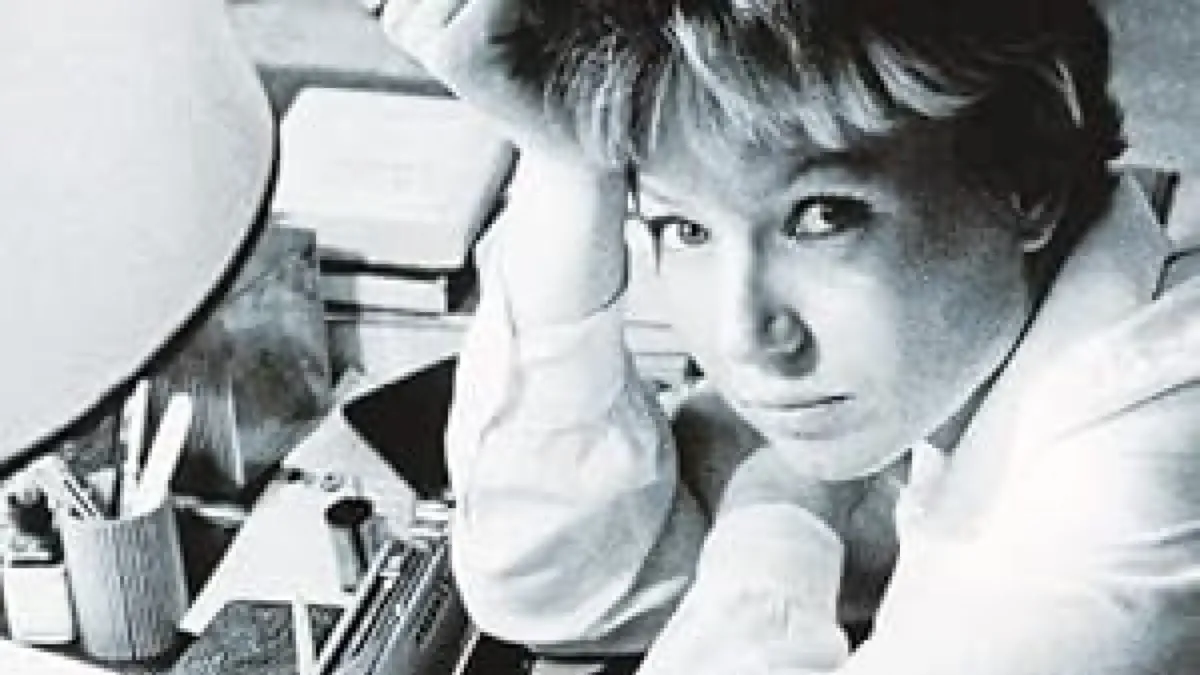
ROME – One of the pillars of modern Italian literature, Dacia Maraini, celebrates her 90th birthday in 2026, marking nine decades of a life rich in work and profound thought. This celebration coincides with the launch of her latest book, 'Agro e dolce', and serves as a moment of reflection on her long career and personal relationships with monumental figures like Alberto Moravia and Pier Paolo Pasolini, whom she calls 'the people of my life'.
Born in Fiesole in 1936, this prominent feminist and social activist continues to work with undiminished energy. Her reputation as one of the most significant voices in Italian literature has been carved through more than a hundred works, including diverse novels, plays, poetry, and essays.
The newly released book, 'Agro e dolce', is expected to present new perspectives or a summary of Maraini's thoughts on various aspects of life, literature, and society. Her works are always known for their ability to delve into the psychological depths of characters and highlight complex social issues.
Her relationship with Alberto Moravia, a great Italian writer, was not merely a personal connection but also an intellectual dialogue that shaped much of her thinking. They inspired each other in artistic pursuits and understanding the human condition.
The influence of Pier Paolo Pasolini, the director, poet, and radical intellectual, is also very evident in Maraini's journey. Together with Pasolini, she explored the boundaries of art and politics, often challenging prevailing conventions. Regarding both, Maraini once said, 'Moravia and Pasolini are the people of my life', an acknowledgment of their profound impact on her.
Maraini is known as a strong female voice in Italian literature. Through her female characters, she often voiced struggles, oppression, and the search for identity in a patriarchal society, providing authentic representation for many readers.
At 90, her passion for contemporary social issues has not waned. Maraini firmly stated, 'I am pleased to see young people protesting in the square'. This shows that she remains connected to the dynamics of social change and supports the expression of the younger generation.
Her view underscores her belief in the importance of citizen participation in voicing aspirations and demanding justice. For her, protests are an integral part of democracy and the health of a dynamic society.
Maraini's invaluable literary legacy continues to inspire. Her works have been translated into various languages, making her one of the most influential Italian writers on the international stage. Novels such as 'L'eta del malessere' and 'La lunga vita di Marianna Ucria' have become modern classics.
Her role in shaping the post-war Italian cultural landscape is highly significant. She was not only a witness but also a chronicler of history through her writings that recorded the turmoil and transformation of her society.
This 90th birthday celebration is not just an observance of age but also a recognition of Dacia Maraini's enduring contributions to enriching world literature, fostering critical thinking, and advocating for humanitarian values.
Maraini continues to be an inspiration for many writers, activists, and readers worldwide, proving that the spirit of creation and social concern knows no age limits.
Editorial Insight: Dacia Maraini's life and work offer profound reflections on the evolution of Italian literature and society in the 20th and early 21st centuries. Her 90th birthday, coinciding with a new work and her views on youth activism, reaffirms the timeless relevance of an intellectual who never stops observing and engaging with her era. Maraini is a bridge connecting the past with present challenges, as well as an inspiration for the future of literature and humanity.