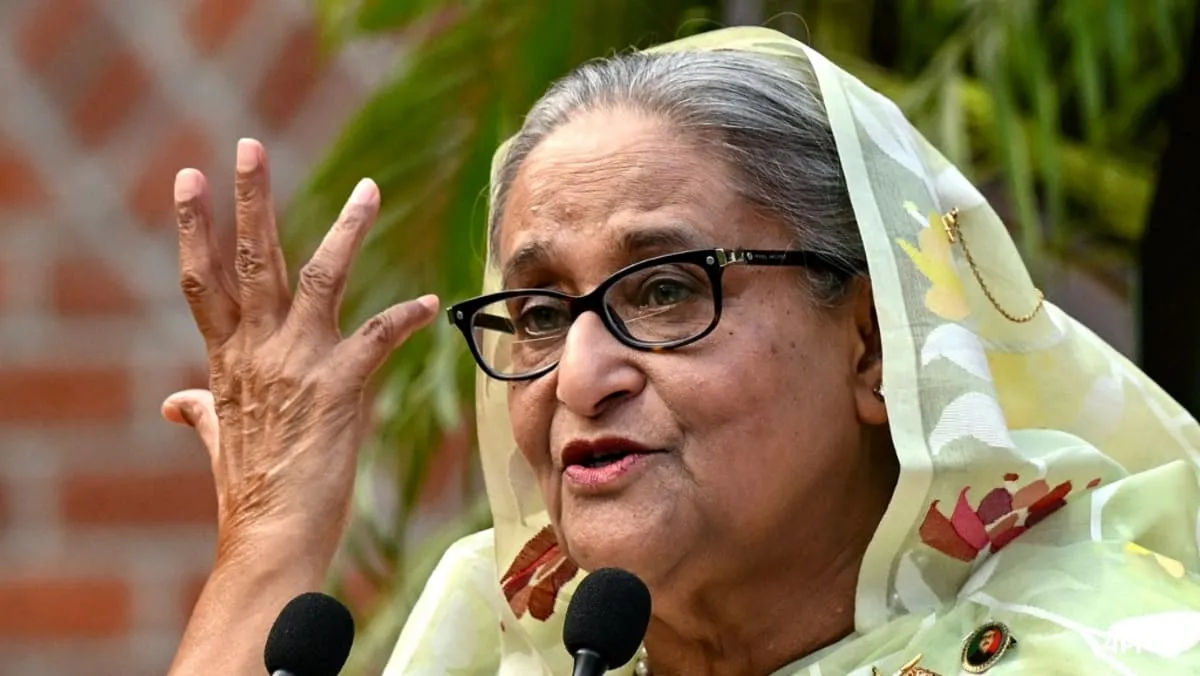
DHAKA – Former Bangladesh Prime Minister, Sheikh Hasina, has affirmed her unwavering resolve to return to her homeland in December 2026, dismissing a series of assassination threats against her. This declaration emerges amidst speculation about political unrest and instability in the South Asian nation. Hasina, one of Bangladesh's most influential political figures, unequivocally stated, 'No threat of death will keep me away from my own country.'
The decision by the former Awami League leader signals a new chapter in Bangladesh's political dynamics. Hasina is expected to face a challenging situation, given the deeply rooted political rivalries that have often escalated into violence. The public eagerly anticipates how her return will influence preparations for potential upcoming general elections.
Threats to Hasina's safety are not unprecedented. Throughout her extensive political career, she has faced multiple assassination attempts and periods of exile. Her dedication to Bangladeshi politics, even under the shadow of danger, has forged her image as an unshakeable figure.
Hasina's return later this year has the potential to mobilize her supporters while simultaneously heightening tensions with political adversaries. This development will be closely monitored by the international community, particularly given Bangladesh's long history of power transitions often marked by conflict.
This announcement also underscores the complexity of Bangladeshi politics, where central figures frequently become targets of intrigue and conspiracy. The consolidation of political power and ideological polarization form a critical backdrop to the drama of Hasina's return.
Many questions linger regarding the source and motives behind these death threats. Are these maneuvers by domestic political opponents, or are there other actors with vested interests in preventing Hasina's return to active politics? These questions remain unanswered.
Hasina's homecoming is not merely an individual's journey but a symbol of defiance and courage in the face of pressure. It also serves as a test for Bangladesh's security system and political stability to ensure the return of this prominent figure proceeds without undesirable incidents.
Nevertheless, Hasina's declaration reaffirms her steadfast commitment to her people and her country. She appears prepared to face all risks to champion her vision for Bangladesh's future, regardless of the magnitude of the looming danger.
Editorial Insight: Sheikh Hasina's return to Bangladesh, despite facing death threats, is a politically charged event of profound significance. It is not merely a personal maneuver but a declaration of political strength and a symbol of resilience. Her homecoming is expected to reshape the domestic political landscape, potentially galvanizing her support base while simultaneously intensifying tensions among competing factions. This event will serve as a crucial indicator of Bangladesh's democratic stability and the nation's ability to navigate deep-seated political polarization.