 Angel Doris

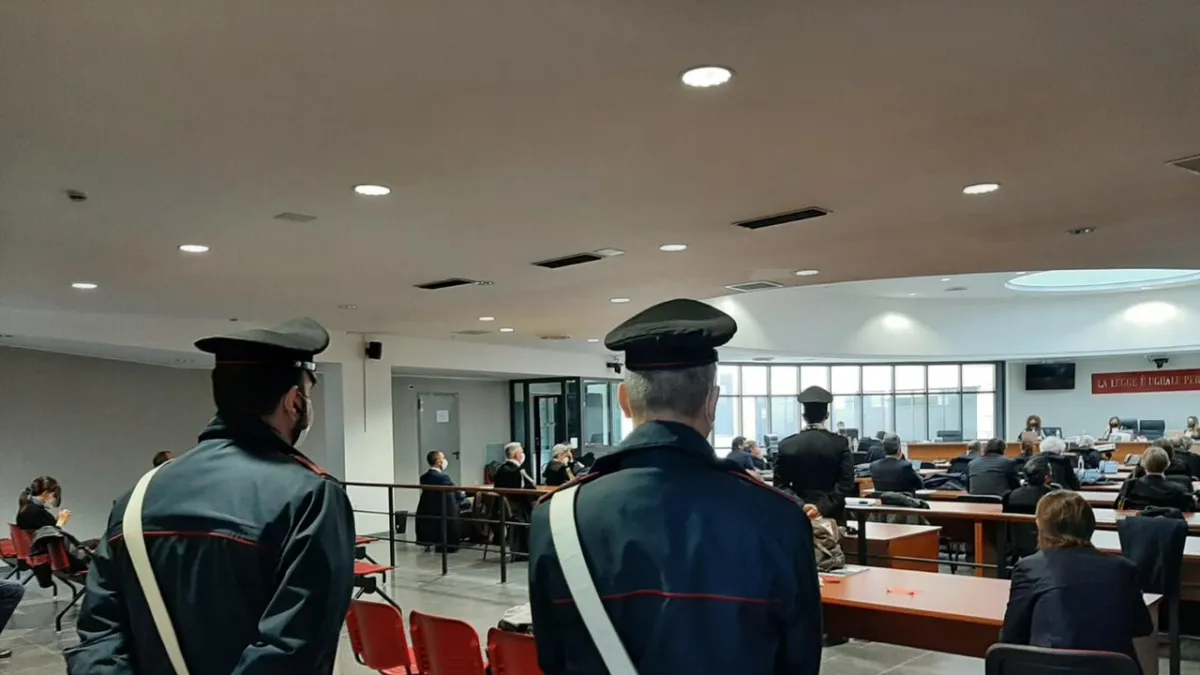
ROME – The Italian Police, through its specialized General Investigations and Special Operations Division (Digos), launched a coordinated enforcement operation across eighteen different cities, following a series of mass clashes and disturbances that rocked the public on October 17 and 18, 2026. This large-scale operation successfully identified one hundred individuals allegedly involved in the provocations and anarchic acts, fifty-one of whom are minors, while also revealing a map of high-risk conflict zones throughout the country.
This decisive step by law enforcement is a response to escalating social tensions and incidents of violence in various urban centers. Raids and searches were conducted in a coordinated manner, demonstrating the government's seriousness in maintaining public stability and order amidst increasingly complex unrest.
A Digos spokesperson confirmed that the identification of the perpetrators resulted from extensive intelligence work and analysis of surveillance footage. We gathered digital and physical evidence to ensure every individual involved can be held accountable for their actions, he stated, without detailing the target cities for the sake of ongoing investigations.
The involvement of fifty-one minors in the unrest is a major concern. This phenomenon raises deep worries about adolescents' exposure to radical ideologies or provocations that incite violence. This situation also prompts fundamental questions about the role of parents, education, and the social environment in shaping the behavior of the younger generation.
Professor of Criminal Sociology from the University of Rome, Dr. Elena Rossi, noted, This number indicates that the problem of street unrest is not just about political or economic dissatisfaction, but also a crisis of morality and social supervision of our children. This aligns with debates concerning the review of juvenile criminal law, as echoed in some other countries, reflected in the related article Escalating Youth Violence: Should Juvenile Criminal Law Be Reviewed?.
The map of high-risk conflict zones successfully uncovered by Digos will be a crucial guide for prevention strategies and deployment of security personnel. This data includes an analysis of riot patterns, mass gathering points, and areas vulnerable to provocation. This mapping allows for quicker and more measured responses in the future.
The incidents on October 17 and 18 were characterized by clashes between groups of demonstrators and security forces, damage to public facilities, and disruption of economic activities. The motives behind the clashes varied, ranging from protests against government policies to expressions of dissatisfaction with socio-economic conditions.
This Digos operation is concrete proof of the commitment of Italian law enforcement to not tolerate anarchism and violence. This action is expected to have a deterrent effect on provocateurs, especially those who seek to exploit social tensions for specific interests.
Further legal proceedings will follow these identifications, with adult perpetrators facing charges under criminal law, while cases involving minors will be handled through the juvenile justice system, focusing on rehabilitation and guidance.
The Italian government and relevant institutions are expected to strengthen programs for preventing youth violence and enhance public education on the importance of expressing aspirations peacefully and constitutionally.
Editorial Insight: This massive Digos operation is a clear signal that Italian authorities will not tolerate the escalation of street violence. The significant involvement of minors underscores the multidimensional challenges faced by modern society, where public security issues are closely intertwined with education, family oversight, and the mental health of the younger generation. The success of this early identification has the potential to dampen similar waves of unrest in the future, while also fostering further dialogue on juvenile justice system reform and strategies for preventing radicalization at an early age.