 Angel Doris
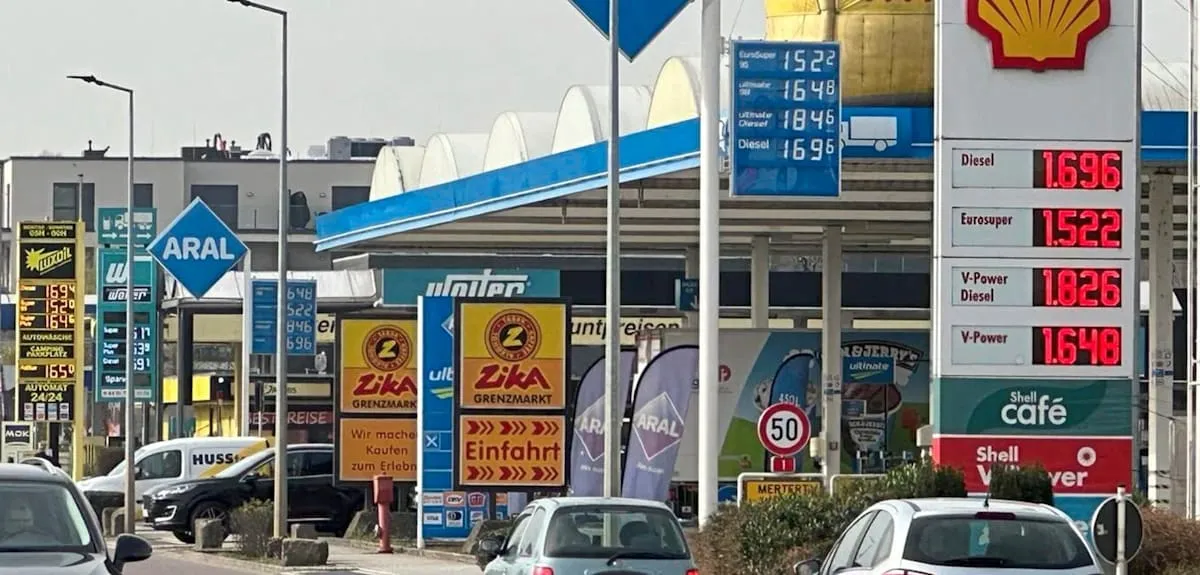
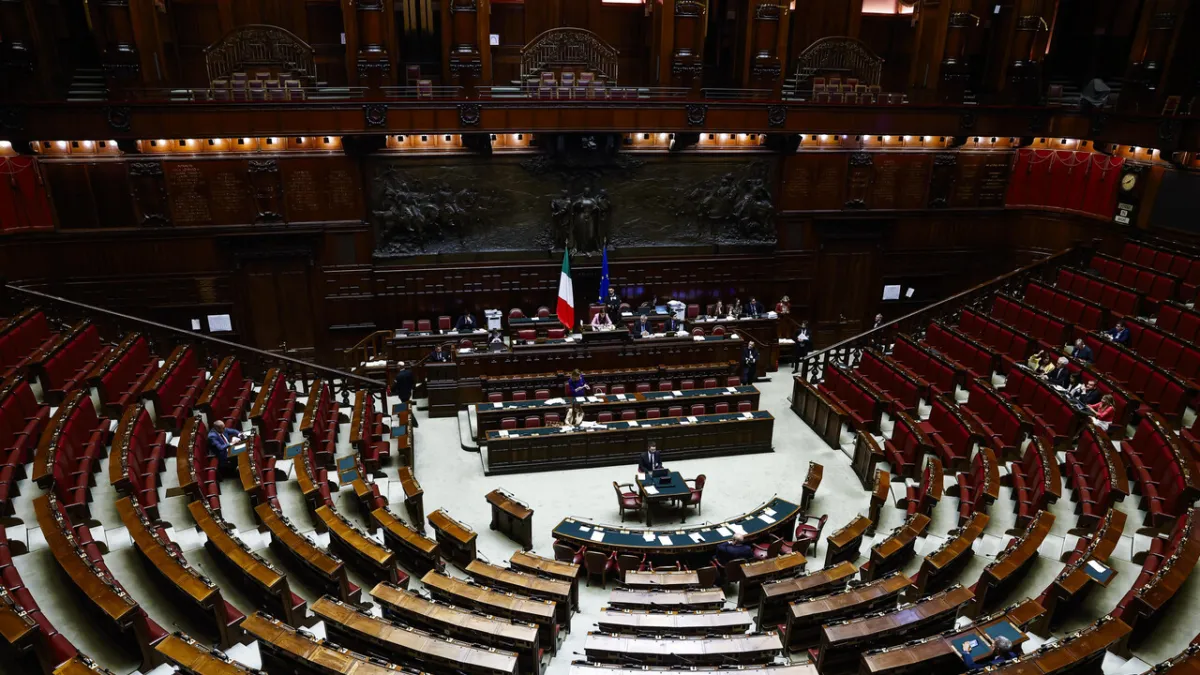
BERLIN—The proposal by the SPD-led state government of Saarland to set a fuel price cap in Germany has completely failed in the Bundesrat recently. This failure follows the end of the fuel discount policy, which now potentially triggers a more significant price surge, and sparks major concerns among consumers and economic actors across the country.
This proposal, modeled after Luxembourg's system, was designed to curb the high prices of gasoline and diesel that are stifling the public. However, strong opposition came from economists and industry representatives who warned of potential increases in bureaucracy and minimal, even counterproductive, benefits for the market.
Following the abolition of fuel discounts that previously eased consumer burdens, prices at gas stations have shown a worrying upward trend. The Saarland government viewed price intervention as a crucial step to protect the purchasing power of the populace.
"This situation cannot be allowed to continue. The German people need protection from brutal price fluctuations," said a spokesperson for the SPD Saarland parliamentary group, emphasizing the urgency of the proposal. However, the appeal did not gain majority support in the upper house of parliament.
Economic observers from leading institutions in Germany have repeatedly voiced their skepticism regarding price cap schemes. They argue that distorted market mechanisms would lead to inefficiencies and unstable supply.
"Implementing fixed prices will create black markets or shortages, rather than solving the core problem," explained Dr. Klaus Richter, a senior economist from the Berlin Center for Economic Studies, in an online interview. "The government should focus on long-term solutions for energy independence, not temporary interventions."
Industrial sectors, particularly petrol station associations and oil companies, have also voiced objections. They fear that price caps would drastically reduce profit margins, hinder investment, and even threaten the survival of small businesses.
Discussions have been held several times in the Bundesrat regarding measures to mitigate the impact of inflation on the public. However, solutions related to fuel have always been a fierce debate between pro-intervention and pro-free market camps.
This situation adds to a long list of economic challenges facing Germany in 2026. Previously, healthcare savings packages also sparked waves of protests from millions of citizens who felt burdened, reminding us of the heated fiscal policy dynamics.
The failure of this proposal highlights the fractured views among various levels of government and the private sector regarding the best way to address the cost-of-living crisis. While the public awaits concrete solutions, it seems they must brace themselves for unavoidable price increases.
Therefore, Germany's energy policy will remain a key focus. The federal government is now under pressure to seek more holistic and sustainable alternatives to stabilize prices without sacrificing sound market principles.
Various speculations about further fiscal policies are emerging. Will the government reconsider subsidies, or will there be other incentives that do not directly disrupt the market? These questions still hang in the air.
The overall European economic situation also needs attention, considering Germany is the economic locomotive of the continent. Energy price volatility in one major country can quickly spread to others.
Further analysis from various economic think tanks indicates that without comprehensive solutions, fuel prices have the potential to trigger broader inflation, affecting the prices of other essential goods and services.
Thus, the German public now awaits strategic steps from the federal government to respond to these market conditions. Major challenges await policymakers to balance the interests of consumers, industry, and economic sustainability.