 Angela Stefani
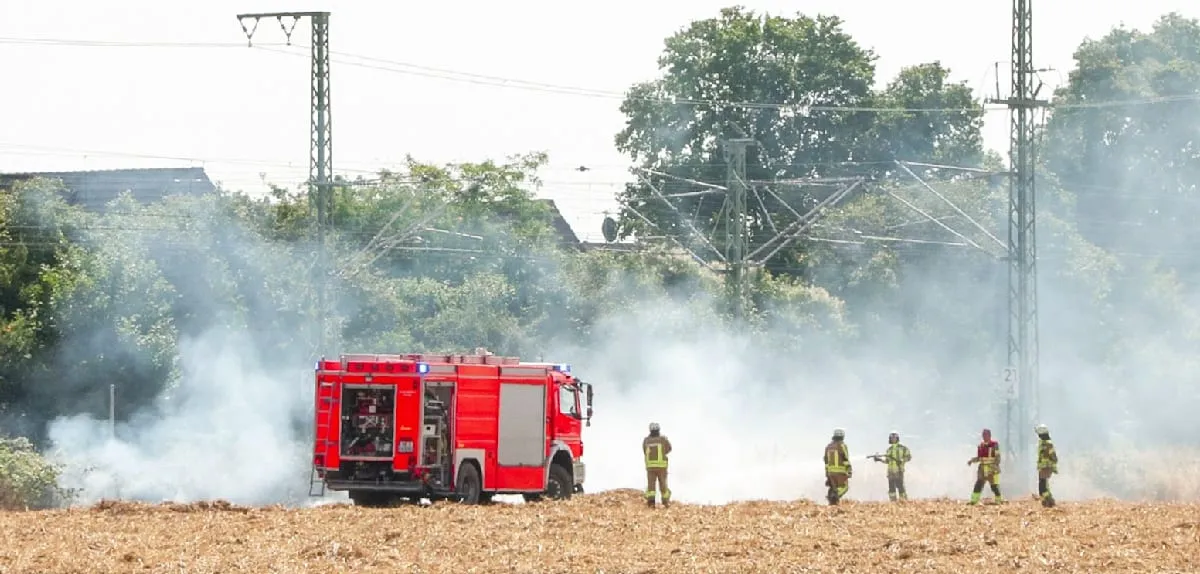
DUSSELDORF — A vital railway line connecting Dusseldorf and Cologne was completely paralyzed following a mysterious fire in a main cable shaft that occurred recently in 2026. German authorities quickly reacted, suspecting deliberate action, especially after a letter of confession from a left-wing extremist group surfaced. This incident immediately triggered serious concerns about the security of public infrastructure.
The fire, which destroyed a significant portion of the cable system on the strategic line, disrupted thousands of train journeys, leading to massive delays and service cancellations. The impact was widely felt, affecting citizen mobility and the logistics sector in the densely populated North Rhine-Westphalia (NRW) region.
Initial investigations by the police and forensic teams indicated that the fire did not originate from ordinary technical failure. Evidence at the scene pointed to a planned criminal act, strengthening the suspicion of sabotage.
Just hours after the incident, a letter claiming responsibility began circulating on online platforms, allegedly from left-wing extremist factions. In the letter, the group claimed the attack as a form of protest against the capitalist system and what they perceived as oppressive government policies.
Although the authenticity of the letter is still undergoing thorough verification by German intelligence, NRW Interior Minister Herbert Reul reacted strongly to the incident. He sharply condemned the act of sabotage.
"This is a cowardly attack on our public infrastructure, an act that not only threatens transport security but also alarms the entire community," Reul stated in a press conference in Dusseldorf, reaffirming the government's commitment to apprehending the perpetrators.
Authorities affirmed that they would not tolerate any form of violence or destabilization attempts carried out by extremist groups, whether from the left or right wing. Law enforcement will be applied indiscriminately to maintain public order.
This disruption to the railway line highlights the vulnerability of critical infrastructure to targeted attacks. The national railway company, Deutsche Bahn, immediately activated emergency protocols and is working to restore services as quickly as possible, although significant damage will require considerable repair time.
Economic losses due to the paralysis of this line are estimated to reach millions of euros, covering repair costs, passenger compensation, and impact on industrial supply chains. Economic analysts warn that such incidents can damage investor confidence in Germany's security stability.
Similar incidents are not new in Germany. History records several cases of infrastructure sabotage by radical groups, underscoring the ongoing challenge for security forces in facing domestic terror threats.
The German government is currently evaluating additional security measures to protect the transportation network, including increased patrols and surveillance technology. The public is also urged to remain vigilant and report suspicious activities to the authorities.
This case is now a top priority for federal police and German intelligence services. They are working closely to identify the masterminds behind the confession letter and the individuals directly involved in the arson attack, hoping to uncover the true motives and prevent similar incidents from recurring in the future.