 Dorry Archiles
BERLIN — The political discourse in Germany is once again marked by intense debate concerning the identity and aspirations of East Germans, who ironically perceive themselves as a marginalized minority yet simultaneously call for majority dominance. Prominent historian Ilko-Sascha Kowalczuk has sharply criticized the ideological views of East Germans within the context of the fascism debate, an intervention that emerges amidst the socio-political dynamics of 2026 and challenges long-standing narratives.
This debate centers on the claims of East Germans, or Ostler, who identify as a disadvantaged minority group in the post-reunification era. Nevertheless, this group often voices demands to take control of political and social spheres, even to the extent of dominating the national political landscape. A paradox that has garnered significant attention, including from Kowalczuk.
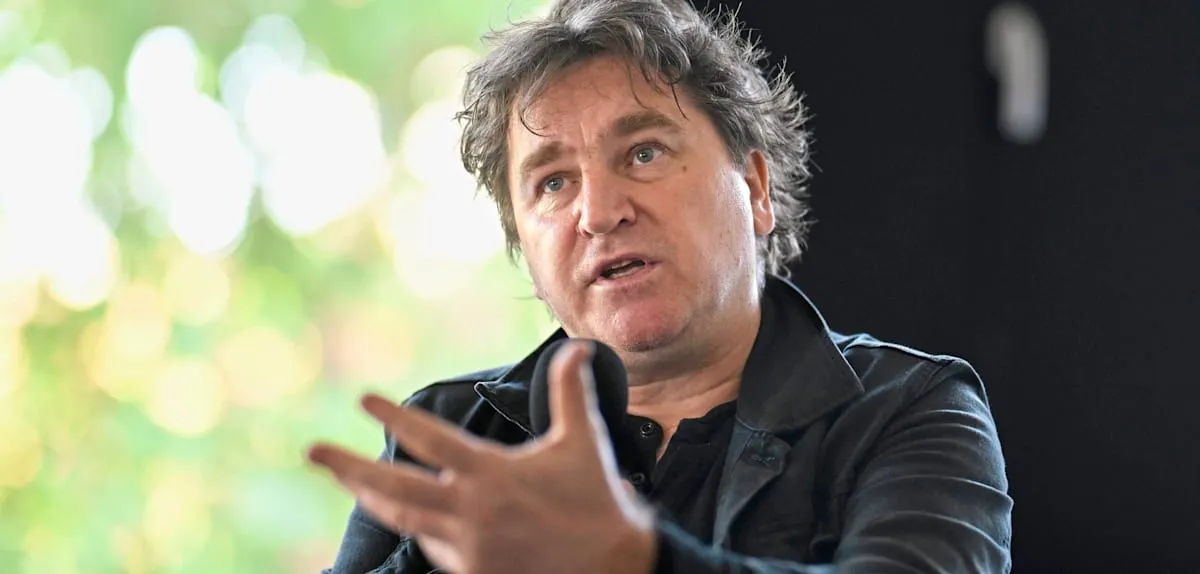
Ilko-Sascha Kowalczuk, known for his candid analyses of East German history and society, reiterated his perspective. According to him, misunderstandings about the ideology of East Germans often oversimplify the complexity of their reality. He suggests that the ideological labels attached to Ostler may not be entirely accurate.
In his controversial essay, Kowalczuk criticizes the assumption that East Germans are inherently more susceptible to extremism or possess a uniform ideological agenda. He argues that their sentiments are more influenced by historical experiences, feelings of neglect, and economic dissatisfaction than by rigid ideological convictions.
This situation raises fundamental questions about the meaning of democracy and representation. If a group feels marginalized but simultaneously desires majority power, how should the political system respond to maintain balance and justice for all segments of society?
Kowalczuk explicitly states that West German society is too quick to judge East Germans without understanding the deeper roots of the problem. "They might not be as ideological as we think," he remarked, implying a nuance lost in public analysis thus far.
The feeling of being a disadvantaged minority in East Germany has been prominent since reunification in 1990. Drastic economic, cultural, and social shifts created a divide that is still felt today. Many Ostler feel their identity is not fully recognized or appreciated by West Germany.
However, the demand to "reclaim" Germany, as often voiced by some groups in the East, raises concerns. This could have implications for the decline of pluralism and tolerance, two crucial pillars of modern democracy.
Kowalczuk's analysis also highlights how debates concerning fascism are often used as a tool to categorize and alienate East Germans. By challenging this narrative, he seeks to open a more honest and constructive space for discussion.
Amidst this intense debate, political parties, including populist groups gaining significant support in the East, must formulate strategies to address these tensions. Issues such as economic disparity, migration, and regional identity become key battlegrounds.
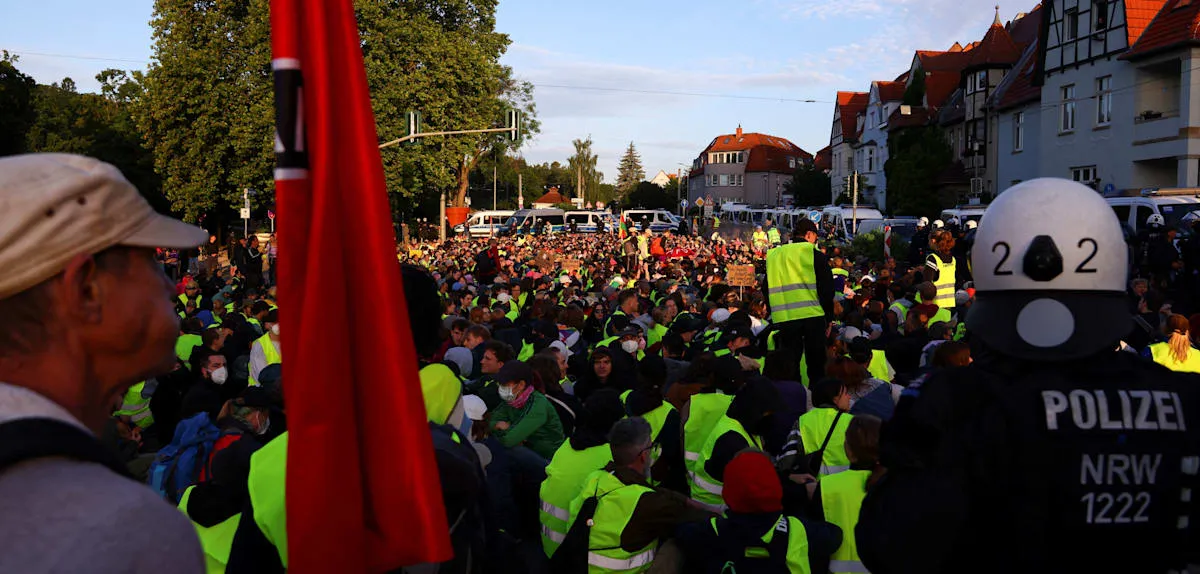
The rising support for far-right parties in some Eastern regions, as seen in the power struggles within AfD NRW, is often interpreted as a manifestation of these sentiments. However, Kowalczuk suggests that the underlying motives might be more pragmatic and less driven by pure extremist ideology.
The historian urges German society not to fall into generalizations. Instead, there needs to be a collective effort to understand the diverse perspectives and experiences that shape the political views of Ostler citizens.
This debate is not just about the past, but also about Germany's future. How German society can build national cohesion without ignoring historical grievances, while upholding the principles of democracy and inclusivity, remains a significant challenge in 2026 and beyond.
Deeper dialogue and more responsive policies are needed to bridge this divide. Only then can the paradox of a minority demanding majority rule be resolved, allowing Germany to move forward as a more united and just nation.