 Demian Sahputra
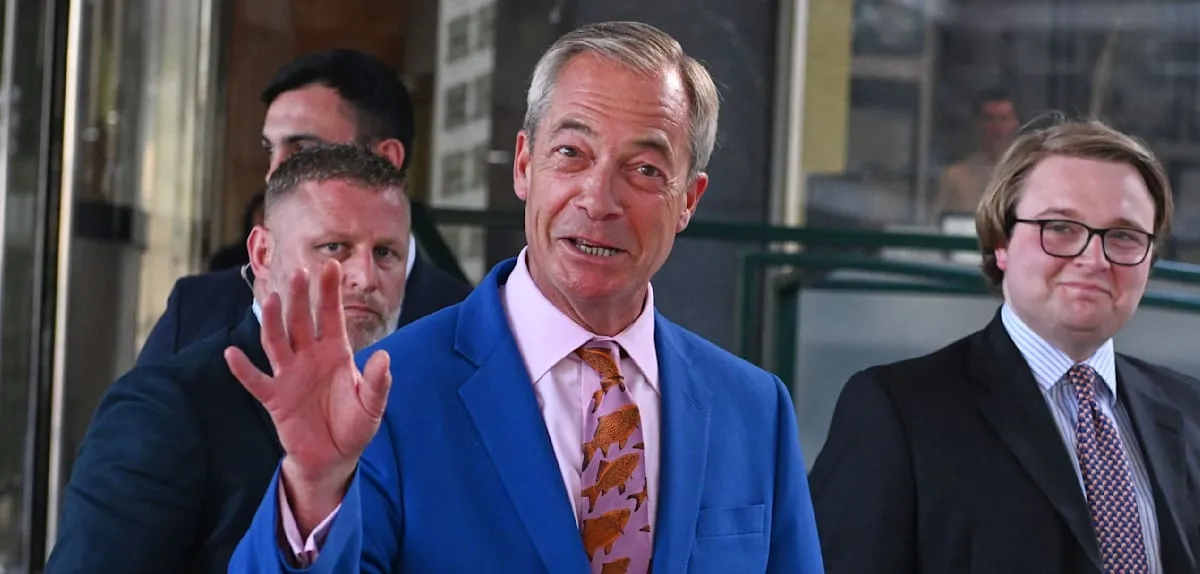
London — Controversial British political figure, Nigel Farage, has once again caused a stir by announcing his resignation from parliament in early 2026. This bold move is predicted to trigger a fierce by-election and potentially reshape the national political landscape. The resignation is seen as a strategic, high-risk maneuver, yet consistent with Farage's reputation for often succeeding through political gambles.
Throughout his career, Farage has been known for not shying away from extreme political risks. From leading the UK Independence Party (UKIP) to being a key architect of Brexit, he has often defied the mainstream and achieved surprising victories. His decision this time indicates that he sees an opportunity or an urgent need to strengthen his position before his constituents.
Internal party sources, who wished to remain anonymous, revealed that Farage is believed to be seeking a stronger, renewed mandate. He may feel that his current representation no longer fully reflects voter support, or he wishes to use the by-election as a platform for specific issues he wants to highlight nationally.
However, this maneuver is not without risks. By-elections are always unpredictable battlegrounds. A defeat for Farage would be a severe blow to his reputation and influence, especially given his track record of almost always winning major political gambles. Political analysts view this move as a double-edged sword.
The announcement immediately sparked varied reactions. Supporters praised his courage, while critics condemned it as an opportunistic act that wastes taxpayer money on a personal fight. Opposition parties have already prepared to deploy maximum resources to defeat Farage in his constituency.
Farage's constituency, which has not been specifically announced by sources, will become a focal point of national attention. The battle there is not just about one parliamentary seat, but also about the direction of British politics and the extent to which populist sentiment still holds sway.
Historically, Farage has failed to win a parliamentary seat several times in general elections, yet he has always managed to find other avenues to remain relevant and influential. The decision to force a by-election shows high self-confidence, or perhaps desperation due to political stagnation.
Observing the global political dynamics of 2026, where several European countries also face similar challenges, Farage's move could set a significant precedent. This situation adds complexity to an already volatile global political arena.
Professor Eleanor Vance, a political science expert from the University of London, stated, “Nigel Farage is a maestro at creating crises for his own political gain. However, the public may be growing tired of constant drama. The outcome of this by-election will be crucial, not just for Farage, but also for the future of smaller parties in the UK.”
If Farage successfully retains his seat, it will provide new legitimacy for his agenda and potentially position him as a key player in upcoming general elections. Conversely, a defeat would force the political veteran to re-evaluate his strategy and role on the national stage.
The coming period is guaranteed to be filled with intensive campaigns and fierce debates. Britain waits to see whether Farage's political maneuver will lead to a triumphant victory or become the final gamble that endangers his long and tumultuous career.