 Angel Doris
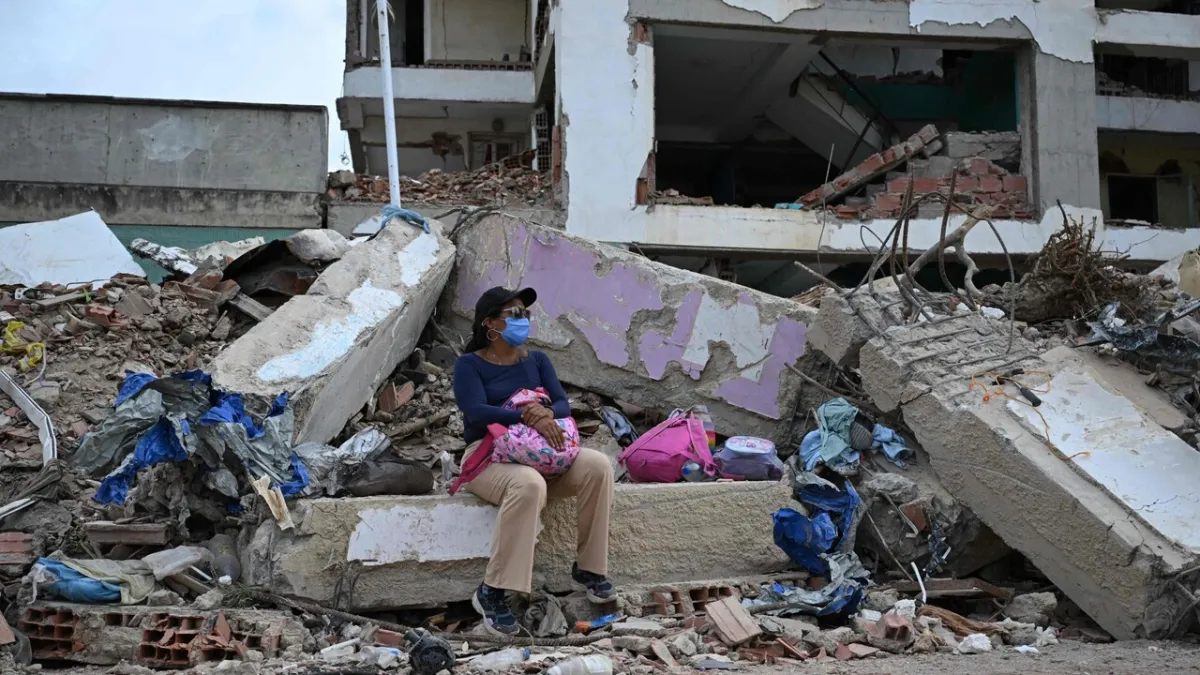
Caracas — The Venezuelan government in late June 2026 officially appealed to King Charles III of the United Kingdom to instruct the Bank of England to release the country's multi-billion dollar gold reserves. This urgent request follows the severe impact of a powerful double earthquake that struck Venezuela on June 24, 2026, causing widespread infrastructure damage and a profound humanitarian crisis, demanding significant financial resources for reconstruction.
The natural disaster triggered significant destruction across various regions, particularly in coastal areas and densely populated cities. Initial reports indicated thousands of casualties and millions of affected citizens, forcing the Venezuelan government to declare a national state of emergency. This situation is compounded by years of economic crisis plaguing the nation, making every resource vital for recovery.
The post-earthquake situation has caused deep sorrow throughout the country. As previously covered in the article Duka Mendalam Venezuela: Ribuan Jiwa Melayang, Machado Janjikan Bangkit dari Reruntuhan (Deep Sorrow in Venezuela: Thousands Lost, Machado Promises to Rise from the Rubble), opposition leader Maria Corina Machado also voiced deep concern and a promise to rise from the ruins, reflecting the scale of the tragedy faced by the Venezuelan nation.
Venezuela's gold reserves, currently blocked at the Bank of England, have been at the center of a geopolitical controversy for several years. Approximately 31 tons of gold bars, estimated to be worth over 1.9 billion US dollars, have been held by the Bank of England since 2019. This decision was made amidst disputes over the legitimacy of leadership in Venezuela, where the British government recognized Juan Guaido as the legitimate interim president, not President Nicolás Maduro.
The legal dispute over the ownership of this gold has been protracted in English courts. The Maduro government argues that they are the legitimate representatives of the state and are entitled to the assets, while the opposition claims that the funds are at risk of misuse by the Maduro regime. English high courts have previously ruled that the Bank of England must follow the British government's guidance in recognizing the legitimate leader.
In the context of the 2026 earthquake disaster, the Venezuelan government is now shifting its argumentative focus from political disputes to humanitarian urgency. They assert that the release of the gold is no longer a political matter, but a moral and ethical imperative to save lives and rebuild the shattered lives of the Venezuelan people. The direct request to the British monarchy through King Charles III represents a significant diplomatic step, hoping to break through bureaucratic and political stalemates.
The British government, which traditionally separates monarchical affairs from day-to-day foreign policy, will likely face international pressure to respond. Although King Charles III holds a ceremonial role, this direct appeal places him in a unique position, potentially influencing global perception of Britain's humanitarian response. No official statement from Buckingham Palace or the British Foreign Office regarding the request has been made as of this report.
This situation also highlights the complexities of international relations and the moral dilemmas faced by Western nations in handling state assets from politically turbulent countries. Many parties demand clear mechanisms to ensure that frozen assets can be accessed for urgent humanitarian purposes, regardless of political differences.
For Venezuela, access to these gold reserves is crucial. The funds will be used for procuring emergency supplies, building temporary shelters, repairing vital infrastructure such as hospitals and roads, and implementing long-term programs for economic rehabilitation. Without these funds, the prospects for post-disaster recovery will be much bleaker, exacerbating the suffering of millions of inhabitants.
Political and economic analysts believe that international public pressure, coupled with the urgency of the humanitarian crisis in Venezuela, could force a policy change. However, complex diplomatic and legal processes often take time, while needs on the ground are becoming increasingly urgent. The world awaits the decision of the United Kingdom, which could set an important precedent in the handling of frozen state assets amid disasters.