 Gabriella

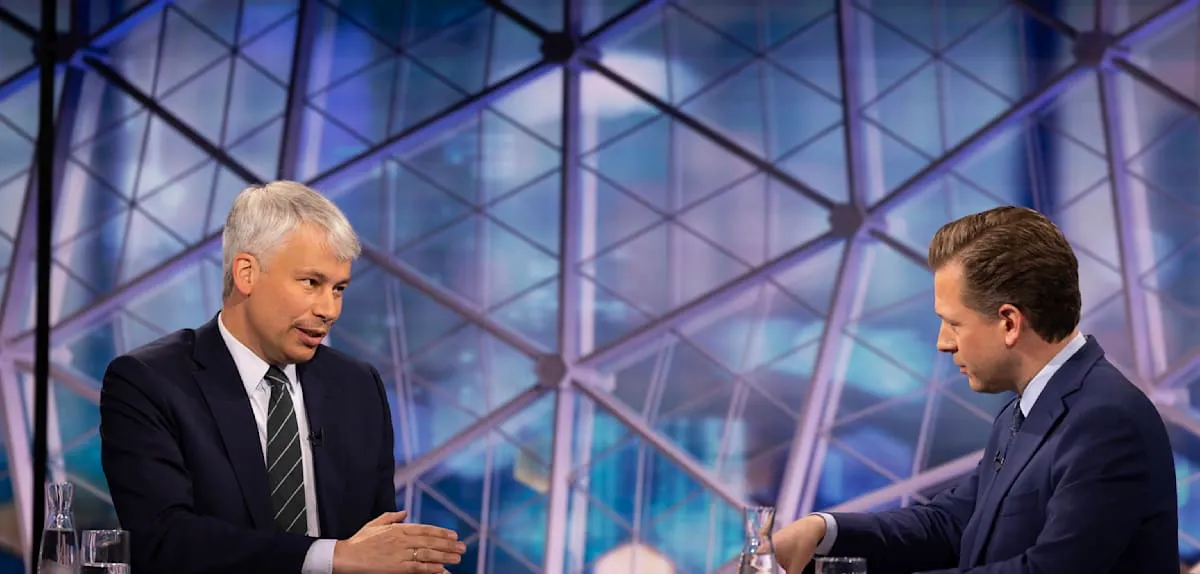
ROME – European Central Bank (ECB) Chief Economist, Philip R. Lane, recently called for a more flexible and targeted approach in European Union economic policies, particularly concerning aid directed towards low-income groups. This crucial statement was delivered amidst positive projections that Italy's resilient economy will serve as a significant catalyst for substantial wage recovery between 2027 and 2028.
Lane emphasized that the next phase of EU strategy must avoid blanket or indiscriminate aid (a pioggia). He underscored the urgency of designing policy instruments that specifically address the needs of individuals or groups most vulnerable to economic shocks.
This approach is believed to be more efficient and sustainable, ensuring that limited resources deliver maximum impact for those truly in need, rather than being spread ineffectively across society.
This focus on flexibility also reflects the diverse economic dynamics among EU member states. Each country has unique structural and demographic challenges, meaning that one-size-fits-all solutions are often inadequate and can even be counterproductive.
Specifically for Italy, Lane highlighted the solidity of the Italian economy as a strong fundamental. This strength is expected to play a vital role in boosting wage levels that were previously suppressed by various global crises up to the early 2020s.
The projection of wage recovery in Italy, anticipated in 2027 and 2028, indicates optimism about the nation's economic resilience. This aligns with structural reforms and fiscal policies implemented by the Italian Government during 2026.
Italy's economic strength is not only based on its advanced industrial sector but also on the resilience of its labor market. Debates in the Italian Parliament regarding policy reforms also reinforce this foundation.
Wage revitalization has a significant impact on public purchasing power, which in turn will stimulate increased domestic consumption and investment. This positive cycle holds promise for more inclusive and sustainable economic growth.
However, implementing these targeted policies requires careful coordination between member states and EU institutions. Clear mechanisms are needed to identify the correct beneficiaries and ensure accountability in fund usage.
Lane also implied that with the global economy still marked by uncertainty, adaptive fiscal policies are key. Countries can no longer rely on large-scale stimuli that may not be efficient in the long run.
Statements from the ECB's chief economist are not merely theoretical guidelines but a strategic call to navigate the post-pandemic and post-inflation economic landscape more intelligently. This is a vision for a more agile EU in responding to socio-economic challenges.
Focusing on low incomes also indicates the ECB's concern for growing inequality in many European countries. Ensuring vulnerable groups are not left behind is a priority for maintaining social cohesion.
The implications of this approach will extend to the entire national fiscal policy framework in member states. Governments will be encouraged to design more precise social assistance and economic support programs, rather than just disbursing blanket funds.
With Italy's projected wage recovery in 2027-2028, other nations might learn how the solidity of domestic economic fundamentals can serve as a bulwark against global volatility and lay the groundwork for improved prosperity.
The successful implementation of Lane's proposed flexibility will be a test of the European Union's ability to adapt, innovate, and ultimately strengthen its economic foundation for the advancement of all its citizens.
Editorial Insight: Philip R. Lane's statement from the ECB reflects a paradigm shift in EU economic policy, moving from rapid crisis response to a more measured, long-term strategy. The emphasis on targeted aid for low-income groups, supported by optimism for Italy's wage recovery in 2027-2028, demonstrates a serious effort to address the root causes of inequality while still fostering growth. This is a crucial step towards a more adaptive and equitable European Union, though inter-member state coordination challenges will remain a primary focus.