 Chandra Wijayanto
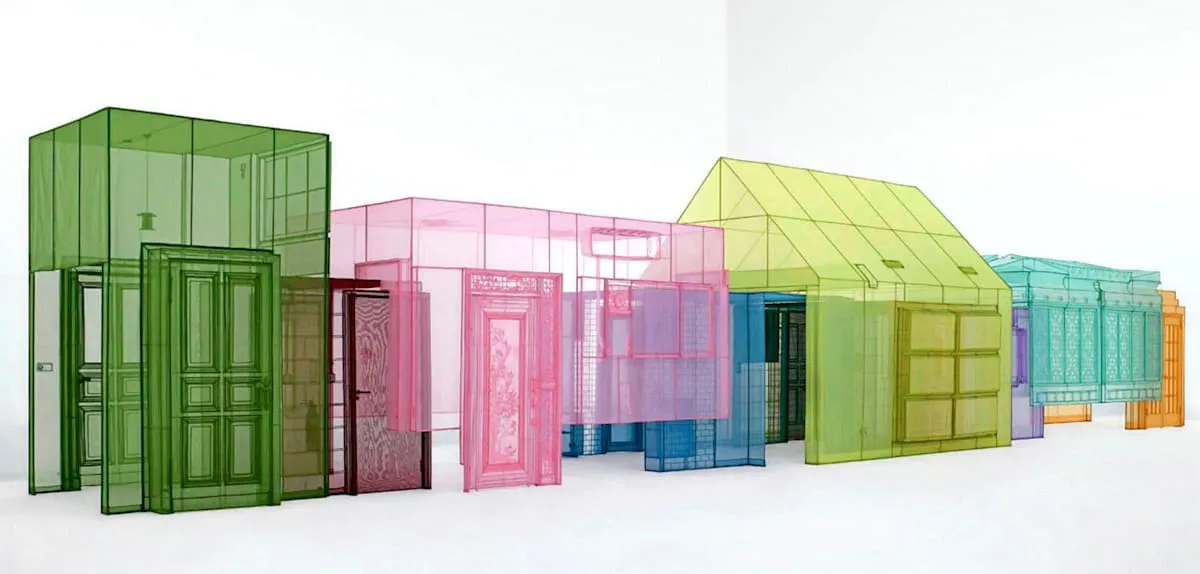
SEOUL – South Korea's capital, Seoul, is now radiating charm as a global art trade epicenter. This rapid surge is supported by numerous large-scale international exhibitions, the presence of leading galleries, and the emergence of courageous young talents eager to experiment. A crucial determining factor behind this phenomenon is progressive tax incentive policies, making Seoul an increasingly attractive destination for art collectors and investors worldwide.
This development marks a new chapter for the Asian art landscape, with Seoul no longer merely a consumer but a primary producer and facilitator in the circulation of artworks. The city has successfully created a conducive ecosystem, drawing the attention of artists, curators, and art entrepreneurs alike.
Various prestigious art fairs, such as Frieze Seoul and Kiaf Seoul, play a vital role as magnets. These events do not just showcase works but also facilitate transactions of fantastic value, solidifying Seoul's reputation as one of the most dynamic art markets.
The presence of renowned international galleries further strengthens Seoul's position. They bring with them global networks, high curatorial standards, and access to top artists, which in turn stimulates the growth of local and independent galleries.
The young generation of South Korean artists demonstrates courageous artistic exploration. Their works often challenge conventional boundaries, blending tradition with digital innovation or contemporary materials, making Seoul's art market full of surprises and diversity.
The South Korean government has strategically utilized tax incentives to attract investment into the art sector. These policies include tax relief for the purchase and sale of artworks, as well as fiscal support for art institutions and collectors. This is an undeniable draw for global market players.
These incentives have proven effective in enticing foreign galleries to open branches in Seoul and encouraging major collectors to shift their investment focus to the Asian market. A recent study indicates a significant increase in high-value art transactions since these policies were implemented.
The economic impact of this art market boom is profoundly felt. It not only boosts revenue from art sales but also stimulates the tourism, hospitality, and other creative industries. Seoul is now regarded as a vibrant and pulsating cultural city.
This phenomenon also highlights the importance of creativity and innovation in the modern economy. Just as the fashion industry in Paris continues to evolve, Seoul's art market demonstrates that government support and an adaptive environment are key to success. This mirrors trends like the fashion revolution pioneered by Valentino in Paris, where the joy of color and eccentricity became central.
Certainly, challenges remain. Debates concerning gentrification due to rising property prices in art districts, as well as sustainability issues for independent artists, are ongoing tasks that the city government must address.
Nevertheless, Seoul's prospects as a global art power appear bright. With continuous support and adaptation to market dynamics, South Korea has the potential to sustain this momentum, even inspiring other Asian countries to develop their art ecosystems.
Editorial Insight: Seoul's emergence as a global art hub signifies a notable shift in cultural and economic power towards Asia. The combination of bold local talent and visionary government policies, particularly tax incentives, has created a successful formula worth observing. However, the government must remain vigilant about potential social inequalities and ensure this growth is inclusive, not solely benefiting a select elite. This offers a valuable lesson on how cultural investment can be a potent economic engine when managed wisely.