 Gabriella
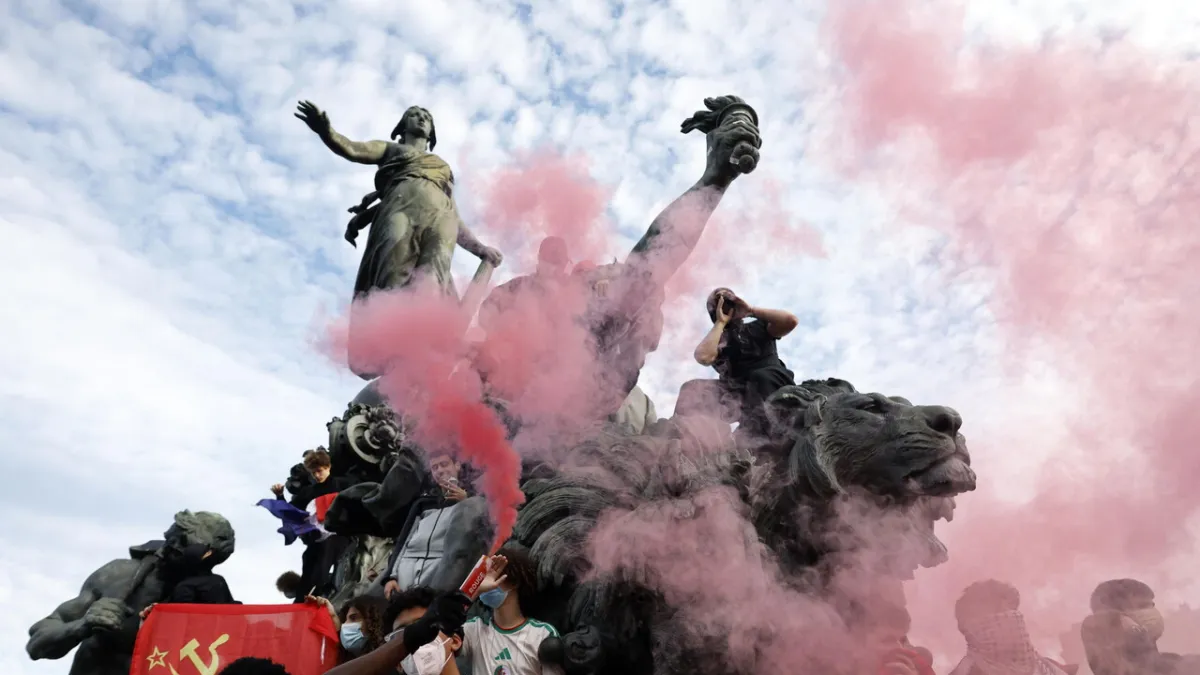
PARIS – A new wave of student protests has once again swept across France in 2026, escalating tensions in major cities from Paris to Lyon. What began as peaceful demonstrations frequently descended into clashes following interventions by anarchist groups known as black blocs. In response to this escalation, President Emmanuel Macron promptly summoned relevant ministers to formulate the government's response.
Dissatisfaction with government policies, particularly those related to education reform and economic conditions, is the primary catalyst for the resurgence of this wave of student protests. Thousands of students took to the streets, voicing their demands for a fairer future and equal opportunities.
In Paris, students gathered at several strategic points, including the Latin Quarter, a hub of education and intellectualism. Their actions, initially filled with speeches and banners, gradually intensified when black bloc members infiltrated the crowd, provoking security forces.
Clashes became unavoidable in several locations, resulting in damage to public property and forcing riot police to deploy tear gas. Videos widely circulated on social media showed students fleeing the confrontations, while parts of the city were engulfed in smoke.
Similar situations unfolded in Lyon and other cities such as Marseille and Bordeaux. The coordination among student groups across France highlights the significant scale of the protests, reflecting deep-seated national dissatisfaction. This phenomenon also recalls previous waves of tension that have plagued the nation.
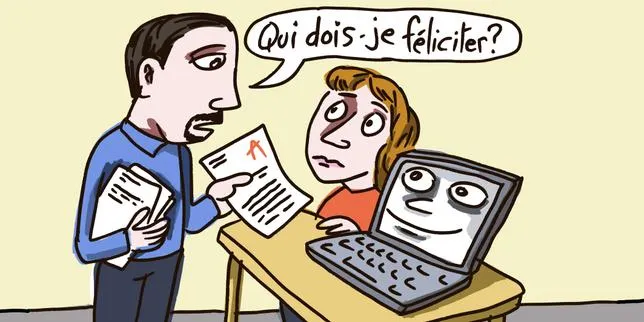
The French government under President Macron faces immense pressure to find solutions. Criticism of education policies and academic evaluations deemed irrelevant in the era of artificial intelligence is growing stronger, exacerbating public distrust in the proposed reforms.
President Macron, in his official statement, strongly condemned the anarchist actions that marred peaceful demonstrations. He emphasized the importance of dialogue but also asserted that the government would not tolerate violence. Freedom of expression is a fundamental right, but vandalism will never be justified, Macron stated.
During an emergency meeting held at the Elysee Palace, President Macron instructed ministers, especially the Minister of Education and the Minister of Interior, to promptly analyze the root causes and propose concrete measures. The primary focus is how to separate peaceful demonstrators from destructive elements, as well as to constructively address student demands.
Student demands encompass several key points frequently reiterated in every protest:
- Review of higher education system reforms deemed insufficiently inclusive.
- Increased funding for student facilities and scholarships.
- Guarantee of academic freedom and protection of student rights.
- Serious attention to inequality in educational access, as highlighted in the report on France's Education Turmoil.
The government has pledged to absorb student aspirations but also warned against any party exploiting the situation for narrow political interests. The public now awaits whether this cabinet meeting can defuse the escalating tensions or further ignite larger protests.
Editorial Insight: The wave of student protests in France is not a new phenomenon, but its return and escalation in 2026 indicate that the root issues have not been fully resolved. The involvement of black blocs adds complexity, shifting the narrative from rights demands to public security concerns. Macron's government needs to demonstrate a more strategic, rather than merely reactive, approach to prevent deeper polarization among France's youth. Constructive dialogue and inclusive policies are key to quelling these flames of dissatisfaction.