 Robert Andrison
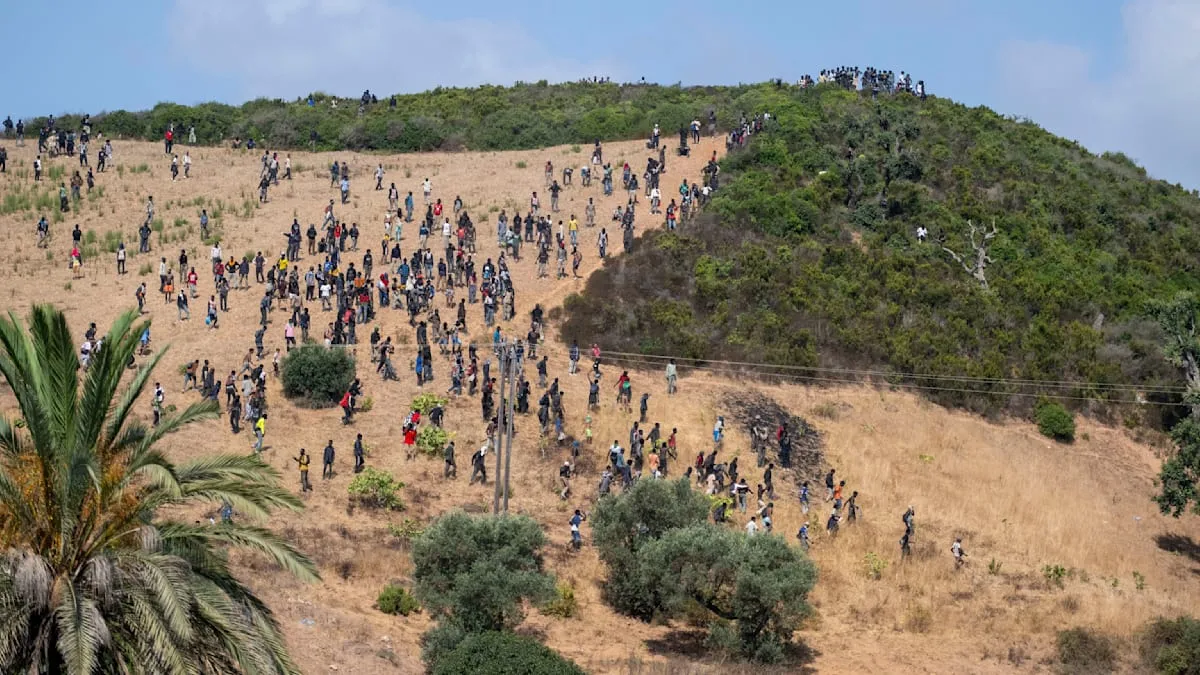
RABAT – Moroccan police recently detained nearly three hundred migrants on a hill near the border to the Spanish enclave of Ceuta. This incident occurred two weeks after a massive wave of migrants flooded the area, with authorities deploying tear gas during the apprehension.
The previous wave of migrants triggered a diplomatic crisis between Madrid and Rabat. Thousands of people, including children, flocked across border fences and swam through the sea to reach European soil.
This latest arrest demonstrates Morocco's resolve in controlling the flow of illegal migration. Security forces are on high alert along the border, particularly in vulnerable areas frequently used as crossing points by asylum seekers.
Eyewitnesses at the scene reported a tense atmosphere engulfing the hill area. Police were compelled to use tear gas to disperse crowds of migrants attempting to breach barricades. This repressive action has drawn criticism from several human rights organizations.
The enclaves of Ceuta and Melilla represent the only land borders between the European Union and Africa. Both territories serve as a magnet for thousands of migrants from sub-Saharan Africa and Arab nations hoping to reach Europe for a better life.
The Moroccan government, under the leadership of King Mohammed VI, faces international pressure to crack down on human smuggling networks. Simultaneously, they are also urged to respect the human rights of migrants.
Similar events at the Ceuta border are not unprecedented. Previous reports have detailed fierce clashes between migrants and security officials, often involving the use of force to disperse crowds. There have also been reports concerning Rabat's firm actions in repelling hundreds of migrants.
Spain itself consistently urges Morocco to tighten border surveillance. Madrid has allocated significant funds to assist Rabat in these migration management efforts, including the modernization of security equipment and personnel training.
For migrants, the journey to Europe via Ceuta is often perilous. They face risks of drowning, violence, and exploitation by human trafficking syndicates. Tragic stories frequently accompany their desperate attempts.
Editorial Insight: This incident at the Ceuta border reflects the increasing complexity of global migration issues. Without comprehensive solutions involving regional cooperation, strong diplomacy, and humane law enforcement, humanitarian tragedies like this will continue to recur at Europe's doorstep.