 Chandra Wijayanto
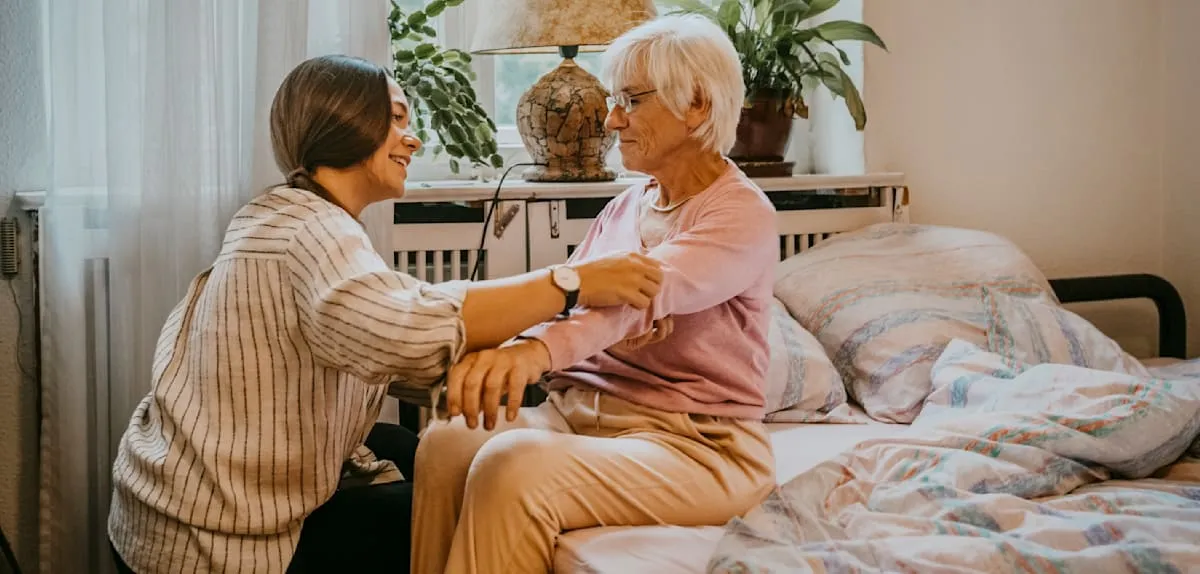
BERLIN — A major elderly care reform rolled out by the German Government, fully taking effect in 2026, was intended to bring improvement but has instead led to cries of frustration from thousands of families. They feel the state is neglecting the heavy burden of caring for aging parents, voicing deep disappointment over what they perceive as empty promises. This issue came to light after a national media outlet conducted a reader survey, revealing poignant stories from family caregivers across Germany.
The responsibility of caring for elderly family members often falls on the shoulders of children or spouses. This reform was supposed to ease that pressure, yet the collected testimonies indicate the opposite. Many complain about an overly bureaucratic system and a lack of concrete financial and practical support, leaving them feeling isolated in their daily struggles.
One reader, Anke Richter (58) from Hamburg, stated, "I no longer want to experience how my country so mercilessly abandons me." Anke's story, who has been caring for her mother with dementia for eight years, reflects the bitter experiences of many individuals. She has had to sacrifice her career and much of her social life for her role as a primary caregiver.
The Elderly Care Reform 2026, touted as a breakthrough, aims to strengthen the care system and ensure better quality services. However, its implementation is still considered far from satisfactory. Instead of providing comprehensive solutions, most families find themselves trapped in a labyrinth of regulations and a shortage of professional staff. This often forces families to fill the gaps, even without adequate training or support.
Prominent social doctor, Professor Lena Schmidt from the University of Berlin, highlighted that the reform might have good intentions but fails to understand the realities on the ground. "We see budget increases, but the support structures at the grassroots level remain weak. Family caregivers are the backbone of the system, and they are exhausted," Schmidt asserted.
This situation raises serious concerns about the well-being of family caregivers. Many report symptoms of extreme fatigue, depression, and financial strain. The dilemma between caring for family and maintaining a job becomes an almost impossible challenge. The article "Dilemma of Working Parents 2026: Sick Child, Career Threatened? Government Intervenes" describes a similar situation in another context, indicating a common pattern of family burden.
The German Federal Government, through the Ministry of Health, has repeatedly emphasized its commitment to improving the care system. However, sharp criticism comes from various parties, including elderly advocacy groups and trade unions. They demand a thorough revision that not only focuses on financial aspects but also on providing psychosocial and practical support infrastructure.
This situation further complicates Germany's demographic challenge, as its population continues to age. Without a robust and humane care system, a social crisis could loom. Society hopes this reform will truly be a solution, not just an unrealized political promise.
Amidst the political stagnation, also highlighted in the article "German Political Stagnation: Roots of Crisis and National Decline in 2026", the issue of elderly care becomes a crucial barometer of governmental effectiveness. If the government does not act quickly to address these grievances, public trust in state institutions will further erode.
Readers who submitted their stories hope their voices are heard. They not only want funding but also recognition, training, and opportunities for respite. "The state must stand by us, not let us struggle alone," concluded another family caregiver from Munich, demanding more attention from the relevant authorities.
The future of Germany's elderly care system in 2026 will heavily depend on the political will to listen and respond to grassroots complaints. A true reform must be capable of reducing the burden, not increasing it, and offering hope to millions of families who now feel alienated.