 Gabriella
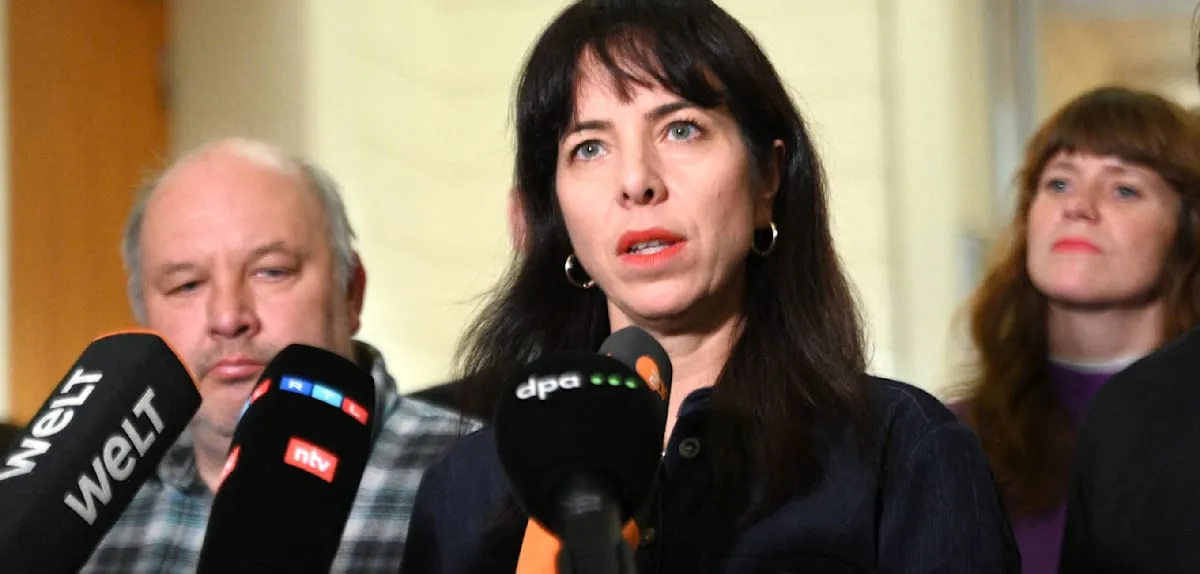
Berlin – The political landscape in Germany is in turmoil after Elif Eralp, the lead candidate for the Left Party (Die Linke) in Berlin, announced plans to pursue legal action against the prestigious magazine, Spiegel. Eralp will also lodge a formal complaint with the German Press Council. This drastic step was triggered by the publication of excerpts from Eralp's internal annotations related to an interview.
Eralp's decision to challenge one of Germany's most influential media outlets marks an escalation of conflict between public figures and the press. She asserts that Spiegel's act of quoting private notes without permission violated the boundaries of journalistic ethics and privacy. This is not merely a personal dispute but a battle of principles concerning press freedom versus individual rights.
Spiegel has, so far, not issued an open official response to the allegations. However, this incident has sparked widespread discussion among journalists and media observers about the extent to which media outlets are permitted to delve into internal sources, especially when it concerns a politician's private notes.
Eralp, known as a vocal figure, feels her image has been damaged by the publication. The quoted material allegedly originated from interview preparations that were meant to be confidential. This is an attack on my integrity as a politician and an individual, Eralp stated, through her spokesperson, reaffirming her stance.
The case has garnered public attention because it involves a left-wing politician who is often a target of criticism. The Berlin Linke Party has expressed full support for Eralp's legal actions, viewing it as an effort to defend democratic rights.
The German Press Council, as the supervisory body for journalistic ethics, will now become another battleground. Eralp's complaint will be examined under the strict German Press Code, which governs privacy protection, truthfulness, and journalistic responsibility. The outcome will set an important precedent for the future of media-politics relations.
Legal and media experts highlight the complexity of this case. Some argue that internal notes, although private, could become part of the 'public interest' if relevant to political performance. However, others emphasize the importance of maintaining a sphere of privacy, particularly in the process of preparing sensitive interviews.
This incident has the potential to affect public trust in the media, especially if there is a perception that ethical boundaries have been crossed. It is important for media institutions to be transparent in their news-gathering practices to maintain long-established credibility.
Similar cases in the past have also sparked fierce debates. Recall how extremists in the UK threatened journalists, or when the mysterious death of David Rossi involved the media, demonstrating the crucial role of the press in a democratic society.
This situation can also be linked to the pressures often faced by Linke politicians in Berlin, as reflected in articles like Berlin Linke Politician Under Pressure: Palestine Solidarity Circles Trigger Fear? or German Linke Politician Reveals Deep Fear of Hamas Sympathizers, which illustrate a challenging political environment.
This lawsuit is not only about Elif Eralp and Spiegel but also about redefining the boundaries between unwavering press freedom and the individual right to privacy that must be respected. The public awaits how the judicial system and the Press Council will respond to this fundamental debate.
Editorial Insight: The case of Elif Eralp against Spiegel represents a significant test for the media and political landscape in Germany. The decisions of the court and the Press Council will shape how journalism operates amidst demands for transparency versus the protection of sources and privacy. This highlights the need for a careful balance between the public's right to know and an individual's right to privacy, especially in the fast-paced information age. Long-term impacts could include a review of journalistic ethical guidelines, as well as increased awareness among politicians regarding potential leaks of internal information.