 Dodi Irawan
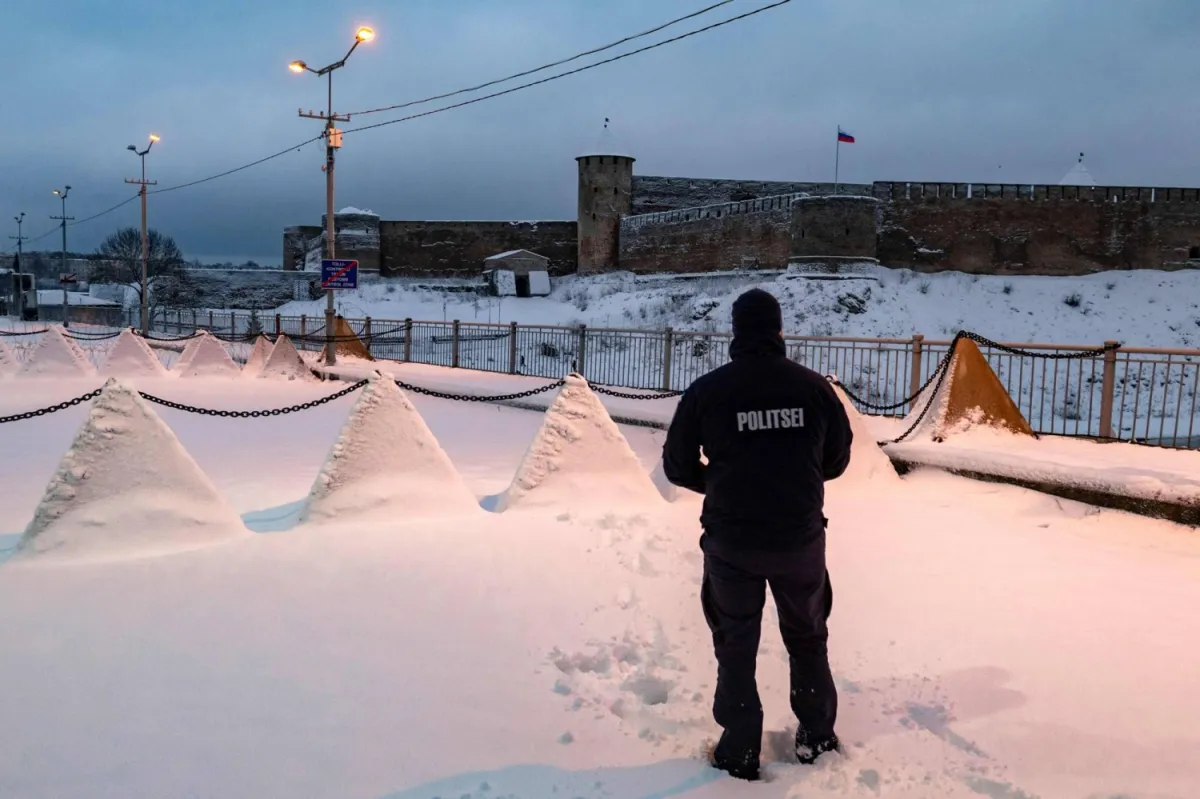
TALLINN – The Estonian government has surprisingly announced the partial closure of its border with Russia starting in 2026, following strong allegations of a sabotage attempt considered a serious escalation. This move, which deepens the already heated hostilities since Russia's invasion of Ukraine, aims to safeguard national security and respond to direct provocations against Estonian sovereignty.
The drastic decision comes amidst intelligence reports regarding a series of suspicious incidents in the border region. Estonian authorities accuse Moscow of being behind these actions, which are said to threaten vital infrastructure and public order in the Baltic state.
Tensions between the Baltic states and Russia have reached a peak since the conflict in Ukraine erupted. Estonia, along with Latvia and Lithuania, are the most vocal European Union and NATO members in condemning Russian aggression and providing full support to Kyiv.
This border closure is anticipated to have a significant impact on the movement of people and goods. While specific details regarding the checkpoints to be closed are still under discussion, the step indicates Estonia's commitment to taking firm action against external threats.
Diplomatic relations between Tallinn and Moscow have drastically deteriorated in recent years. In addition to the war in Ukraine, various other issues such as cyberattacks, disinformation efforts, and airspace violations have fueled Estonia's shift in security policy.
A spokesperson for the Estonian Ministry of Foreign Affairs, who declined to be named, stated, 'We will not tolerate actions that disrupt the security and stability of our country. This is a proportional response to ongoing aggression.'
Estonia's move is expected to garner serious attention from the international community, particularly NATO member states. As the alliance's eastern frontline, Estonia's security has broader implications for regional stability.
The Russian government has not yet provided an official response to this announcement, but geopolitical analysts predict Moscow will consider it a provocative act and potentially retaliate with similar measures or harsher rhetoric.
Similar escalations occurred when Canada imposed a 'Russia freeze' by banning Russian junior hockey teams from participating in the 2026 world championship, illustrating a trend of isolation against Moscow. On another front, Ukrainian athletes like Elina Svitolina continue to show solidarity with their country, reflecting the spirit of resistance amid the conflict.
This border closure is not merely a security measure but a strong political statement. It underscores the determination of the Baltic states not to succumb to Russian pressure and to strengthen their defense autonomy.
Editorial Insight: Estonia's decision to close its border with Russia marks a new boiling point in already tense bilateral relations. This step, rooted in tangible security concerns after alleged sabotage, has the potential to trigger a broader spiral of escalation in the Baltic region. The international community must closely monitor these dynamics, as any provocation could lead to an unpredictable chain reaction, especially with NATO bound by collective defense clauses. This move could also set a precedent for other countries bordering Russia in facing similar threats.