 Chandra Wijayanto
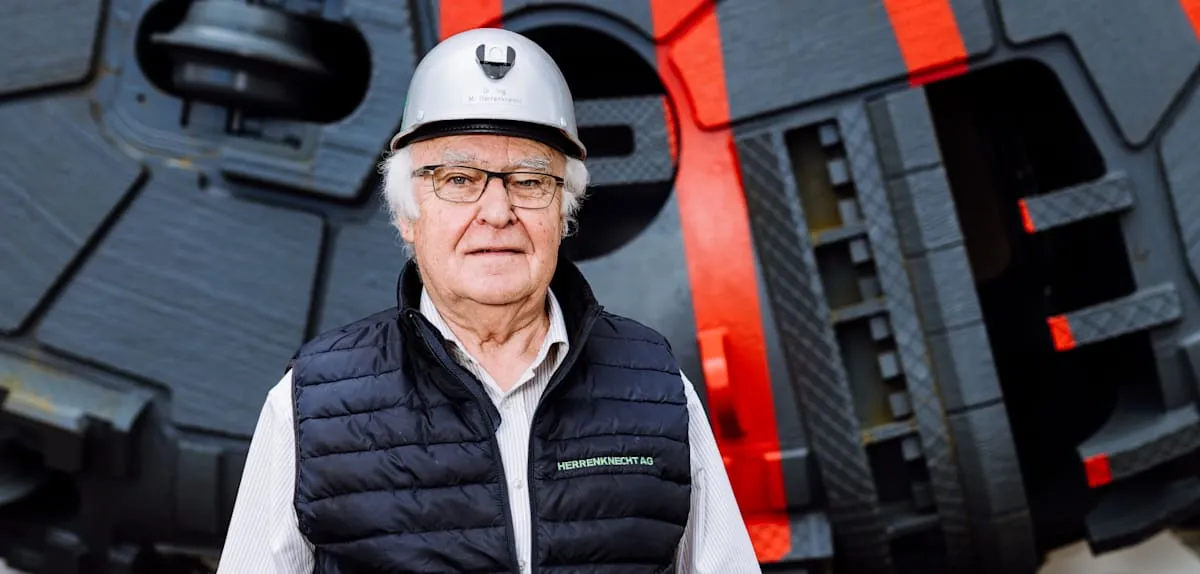
Prominent German entrepreneur, Martin Herrenknecht, has openly criticized the European Union (EU) bureaucracy, accusing it of being the main impediment to national industrial growth. This criticism emerged in early 2026, highlighting the deep frustration among German businesses over the 'torrent of regulations' from the European Commission, which they believe is stifling.
Herrenknecht, known as a leader in the manufacturing and innovation sectors, expressed his astonishment at a series of policies and demands he considers unrealistic. According to him, the new rules only complicate production and investment processes, rather than facilitating competitiveness in the global market.
"This is no longer about fair competition, but about surviving the shackles of rules that actually hinder us," Herrenknecht stated in an exclusive interview. He described the situation as fundamentally flawed when innovation and efficiency must submit to an administrative labyrinth.
The phenomenon of regelwut, or regulatory frenzy, he said, has reached a critical point. The ever-increasing compliance burden forces many companies, especially small and medium-sized enterprises (SMEs), to divert resources from research and development to mere administrative matters.
Economists in Berlin also echoed Herrenknecht's views. A recent report from the Federation of German Industries (BDI) in January 2026 indicated a decline in investment and the potential relocation of factories outside the EU if the bureaucratic trend is not immediately controlled.
The European Commission, through its spokesperson in Brussels, affirmed that the regulations implemented aim to create market harmonization, environmental protection, and high social standards across all member states. However, they also acknowledged challenges in balancing these objectives with the needs of industrial competitiveness.
Critics, including Herrenknecht, argue that the good intentions of regulations often clash with practical implementation on the ground. They demand a more pragmatic and consultative approach with industry players before new rules are enforced to avoid excessive negative impacts.
Similar complaints are also heard from other sectors, ranging from agriculture to technology. Many entrepreneurs feel burdened by the complexity of permits, fluctuating product standards, and time-consuming compliance reports. This situation creates an uncertain investment climate in Germany.
The future of German industry, which has long been the backbone of the European Union's economy, is now at stake. The debate over the effectiveness of EU bureaucracy is becoming increasingly relevant, especially leading up to the next European Parliament elections scheduled for 2027.
The clash of views between Brussels and industry players in Germany underscores the urgency of reform. Will the European Union heed the calls of entrepreneurs and simplify regulations, or will it continue to let bureaucracy stifle the economic potential of its largest continent? Time will tell in 2026.
Significant policy changes are needed to ensure that the European Union remains a global hub for innovation and production. Without swift adaptation, Martin Herrenknecht's concerns could become a bitter reality for the region's economy as a whole.