 Stefani Rindus
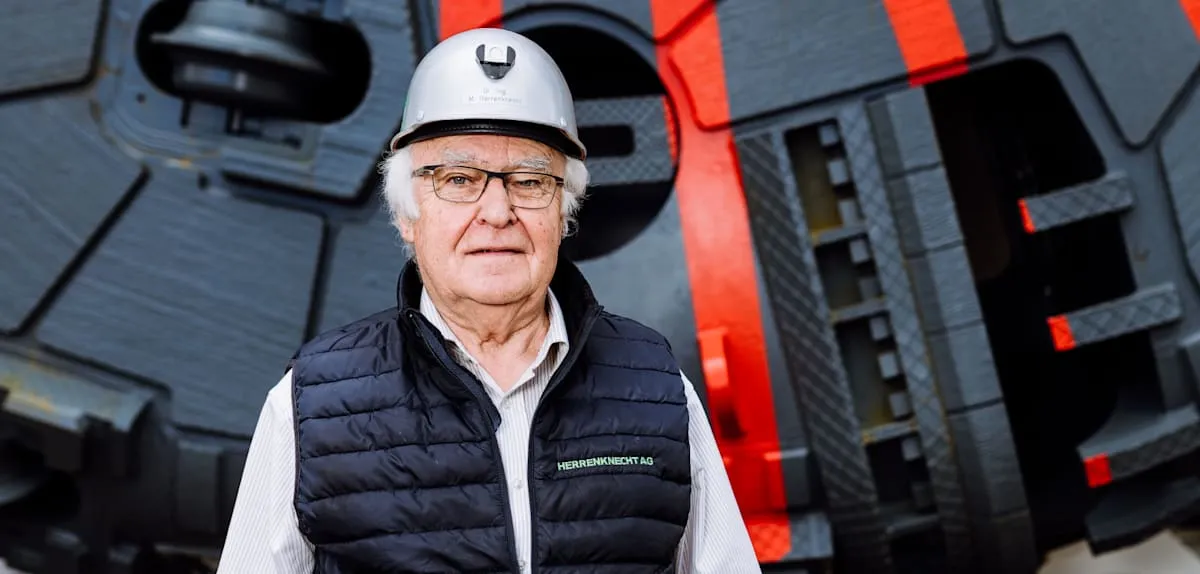
BRUSSELS — Martin Herrenknecht, a prominent German entrepreneur, launched a sharp critique against European Union bureaucracy in 2026. He accused the “excessive regulations” and “confusing demands” from the European Commission of demonstrably stifling the competitiveness of German industry, urging the EU to return its focus to its core mission. This statement emerges amidst growing anxieties within Germany’s manufacturing sector, which feels the intensifying pressure of regulation.
Herrenknecht’s unease, known as an influential figure in the business world, is more than a personal complaint. He articulates it as a representation of the voice of thousands of German companies now grappling with a pile of administrative rules deemed counterproductive. This situation, he claims, has eroded the capacity for innovation and market expansion, which are crucial for the sustainability of the national economy.
In his statement, Herrenknecht explicitly expressed “bewilderment” at the latest demands from the European Commission. He perceives that the policy direction currently pursued by the European Union is increasingly drifting away from the original spirit of forming an economic community that facilitates free trade and shared growth.
The issue of EU bureaucracy is indeed not a new one. However, in 2026, its intensity feels increasingly burdensome, especially for member states with strong industrial sectors like Germany. The complex regulatory environment requires companies to allocate significant resources to compliance, rather than to research and development.
The concrete impact of this situation is seen in the decline of foreign direct investment into Germany and the shift of production focus to regions outside the European Union. Companies feel burdened by strict environmental standards, complicated labor rules, and time-consuming and costly permit procedures.
“The EU must return to its core mission,” Herrenknecht affirmed, implying that the primary focus should be on creating a conducive framework for economic growth, rather than becoming an entity that regulates every operational detail of businesses. This view reflects a desire for Brussels not to get caught up in micro-details, but to prioritize macroeconomic agendas.
Economic analysts in Berlin also seconded Herrenknecht’s view. They note that the stagnation of GDP growth in several recent quarters of 2026 was partly influenced by internal factors, including regulatory hurdles originating from the European Union. The automotive and heavy manufacturing industries, which form the backbone of the German economy, are the sectors most affected.
Herrenknecht’s appeal also harks back to the long-standing debate on subsidiarity within the European Union: to what extent should Brussels’ authority interfere in national or regional affairs. For critics like Herrenknecht, that boundary has now been overstepped.
The response from the European Commission so far remains normative, emphasizing their commitment to sustainability and consumer protection. However, concrete details on how they will address complaints from the industrial sector are not yet entirely clear. The public awaits adaptive steps that can balance regulatory ambitions with economic needs.
This situation raises fundamental questions about the future direction of the European Union. Will the bloc be able to adapt and find a balance between regulatory idealism and economic pragmatism, especially when facing increasingly fierce global competition in 2026?
It is important for policymakers in the European Union to seriously consider the cumulative impact of every proposed regulation. Closer collaboration with industrial stakeholders, such as Martin Herrenknecht, can lead to more targeted and realistic policies.
Without significant reforms, the risk of de-industrialization or relocation of production from Germany and other EU member states to regions with a more lenient business climate could become a harsh reality. This is a significant gamble for the future economy of the bloc.