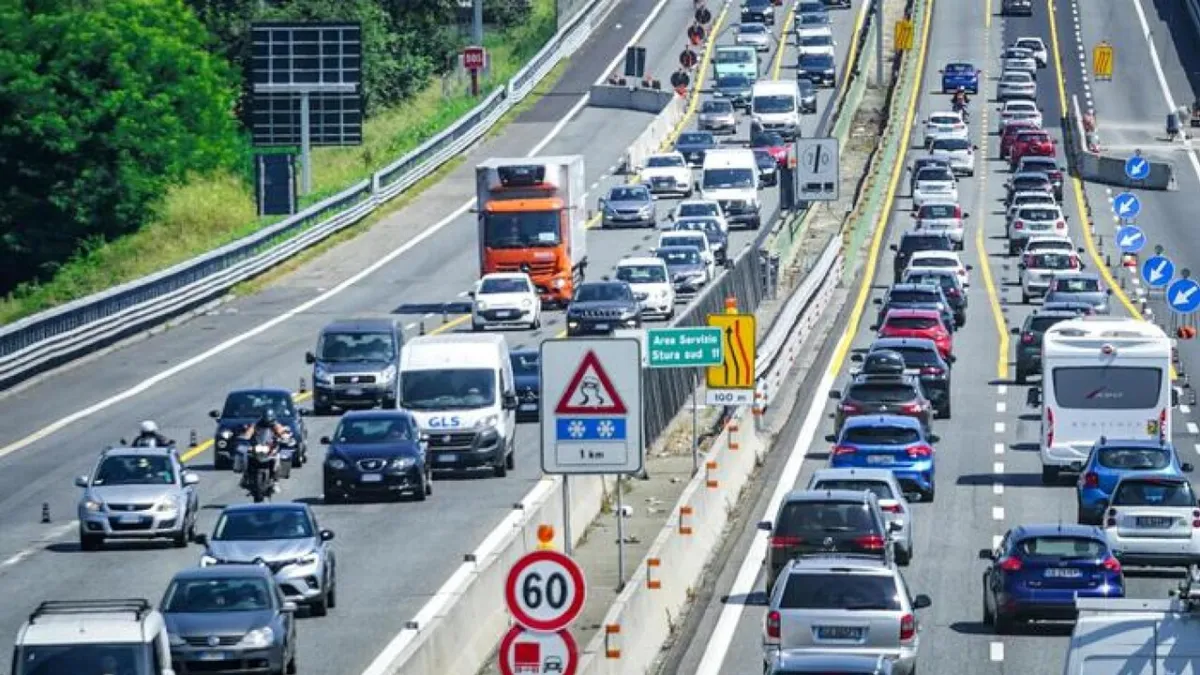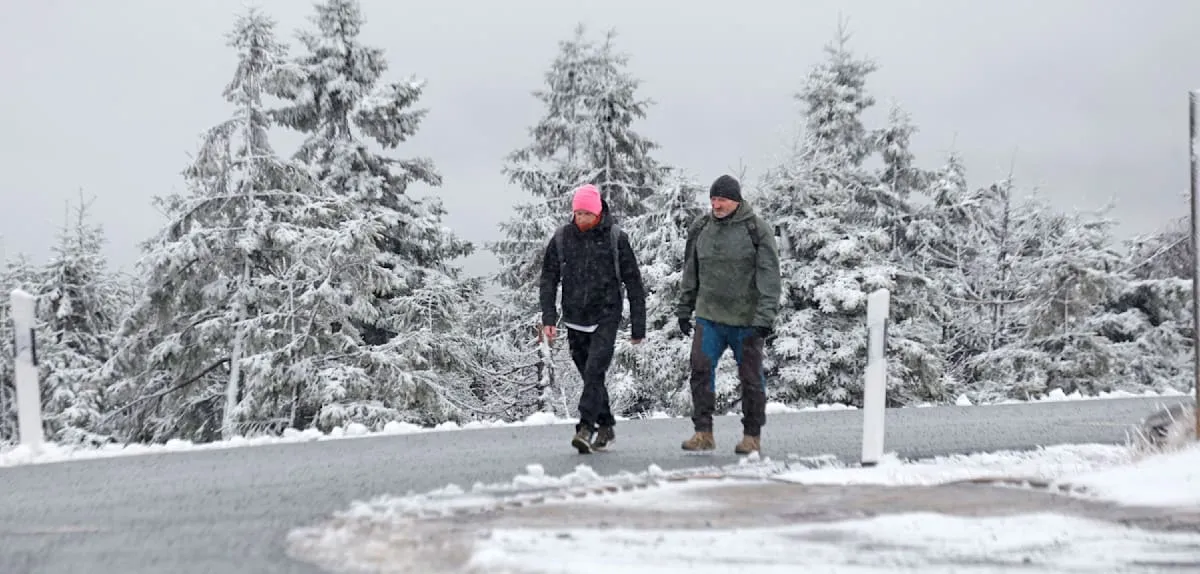
BERLIN – Meteorologists across several European federal states are preparing for the first snowfall of 2026. In the coming days, the region is expected to experience sleet or snow showers, prompting serious warnings for drivers regarding potentially slick and dangerous road conditions.
This extreme cold weather phenomenon marks the beginning of an earlier-than-anticipated winter season in some areas. Latest forecasts indicate that a mass of cold air from the Arctic is moving southwards, bringing precipitation that will turn into snow in both highlands and lowlands.
Authorities from meteorological services, such as the Deutscher Wetterdienst (DWD) in Germany, have issued warning bulletins. They underscore the importance of vigilance for all road users, especially drivers commuting in the morning or evening.
The public is urged to immediately adjust their driving style to potentially slippery road conditions, stated a DWD spokesperson during a virtual press conference held today. The use of winter tires is highly recommended, and even mandatory in some regions.
The impact of this early snow is not limited to the transportation sector. The agricultural sector is also closely monitoring these conditions, given the potential damage to unharvested crops or those sensitive to freezing temperatures. Infrastructure readiness is crucial.
Local governments in affected areas have activated emergency preparedness teams to deal with potential traffic disruptions and power outages. They are also preparing snow removal fleets to ensure accessibility is maintained.
Cities and towns throughout the region report increased purchases of winter equipment, from thick jackets to non-slip boots. This phenomenon creates interesting microeconomic dynamics leading up to the peak of the winter season.
Historically, the first snow in Central Europe often occurs in late November or early December. Its appearance in mid-November this year indicates a variability in weather patterns that warrants further examination by climatologists.
Drivers are advised to check their vehicle conditions, ensuring optimal braking systems and filled anti-freeze liquids. A safe distance between vehicles is also a vital factor in preventing multi-vehicle collisions.
Police forces will also increase patrols on accident-prone roads due to ice and snow. Winter driving safety campaigns will be intensified to raise public awareness.
Editorial Insight: The relatively early appearance of the first snow in Central Europe in 2026 is more than just a weather event; it is a significant indicator of the adaptations society and government must undertake. Infrastructure readiness, rapid response, and collective awareness are key to minimizing negative impacts and keeping the economy moving amidst increasingly dynamic climatic challenges. This event also serves as a benchmark for the effectiveness of climate mitigation policies in the region.