 Robert Andrison

ROME – Italy's inflation rate surged sharply to 5.4 percent in October 2026, triggering serious concerns among the public and government. President Sergio Mattarella unequivocally stated that this condition has attacked citizens' living standards, warning of potential erosion of economic well-being. His statement was delivered during the National Savings Day commemoration, highlighting the urgency of addressing the prevailing economic crisis.
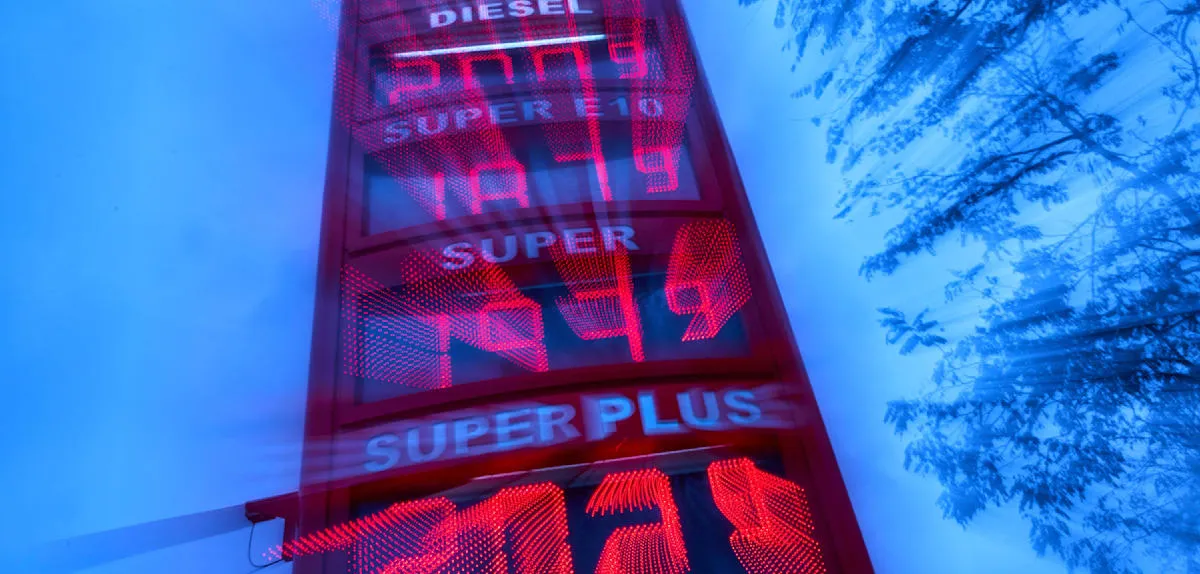
This significant price increase marks the latest surge in a series of economic pressures that have eroded the purchasing power of Italian citizens. The 5.4 percent figure far exceeds the price stability targets set by the central bank and is directly felt by households through steadily climbing prices for food, energy, and other essential goods.
In his poignant speech, President Mattarella called for collective vigilance. The standard of living of citizens is under attack, he stated, underlining that the fundamental well-being of the populace is now under serious threat. He emphasized the need for concrete measures and inter-agency coordination to shield the public from the worst effects of this price volatility.
National Savings Day, an annual agenda designed to promote financial literacy and saving habits, served as a fitting platform for the President's warning. Instead of celebrating savings achievements, the event was dominated by concerns over inflation eroding the value of deposits and complicating long-term financial planning for millions of Italian families.
Italy's economic situation has been a global concern throughout 2026, with soaring public debt and widening economic inequality. High inflation further exacerbates the potential for social discontent that has been brewing, as evidenced by a series of mass demonstrations. Indeed, several Italian cities have borne witness to large waves of protests, with thousands of citizens taking to the streets to voice their demands against increasingly difficult economic conditions. Previous reports indicate that major protest waves have shaken 50 Italian cities, a strong indication of significant social pressure.
The Italian government, under its current Prime Minister, faces the arduous task of formulating effective policies. Various options, ranging from energy subsidies to price controls in vital sectors, are under consideration. However, each step must be taken carefully to avoid exacerbating the budget deficit or triggering market distortions.
Economic analyst from the University of Rome, Professor Elena Bianchi, stated, 5.4 percent inflation is a clear warning signal. If not addressed seriously, it could trigger a difficult-to-stop price-wage spiral, worsening the cost of living for the public and hindering long-term economic recovery. This concern reflects a widespread view among experts.
The current inflation rate is reminiscent of past periods of economic turmoil, albeit within a different global context. In previous decades, Italy also experienced significant price pressures that required strong policy interventions. However, observers agree that this time the challenge is exacerbated by the global energy crisis and deep geopolitical uncertainties.
Should inflationary trends persist, the value of public savings will continue to erode, potentially reducing investment and economic growth. The European Central Bank will likely face greater pressure to raise interest rates, a move that could cool inflation but also risks slowing economic activity and increasing borrowing costs for businesses and households.
On the streets of Rome, citizens voiced their frustration. A 72-year-old pensioner named Marco Rossi commented, Before, my pension could cover a month's needs. Now, it's gone by mid-month. Prices are rising so fast, we feel left behind. Marco's story reflects the bitter reality faced by many Italian citizens.
This economic pressure also triggers internal political friction. Tax issues and worker burdens frequently become points of fierce contention between parties in Italy, as highlighted in previous debates between Fdi and Lega regarding their impact on workers. The Italy Tax Heats Up report indicates these divisions could hinder consolidation efforts in confronting the inflation crisis.
Editorial Insight: Italy's inflation surge to 5.4 percent in October 2026, exacerbated by President Mattarella's candid statement, is more than just an economic statistic; it reflects a profound socio-economic challenge. Pressure on citizens' purchasing power has the potential to trigger wider waves of public discontent, demanding agile and sustainable policy responses from the government. Failure to manage this situation could result in the erosion of public trust and political stability, making it a crucial test for Italy's leadership amidst global uncertainties.