 Stefani Rindus
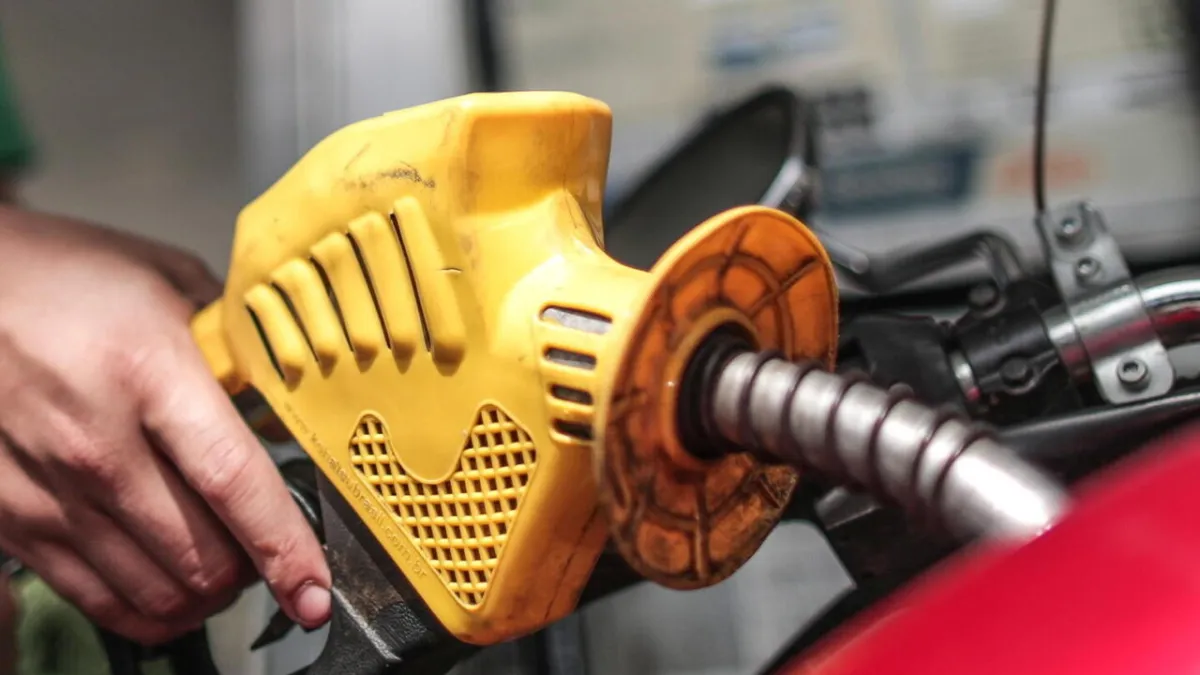
ROME – Gasoline prices in Italy have surged significantly, breaking the 2 euro per liter mark. This dramatic increase marks the highest point since September 2023, triggering widespread concern among the public and economic actors regarding potential inflationary impacts and increasing living costs.
This phenomenon of price escalation is not merely a minor fluctuation. Latest data indicates that this price level constitutes a new record since three years ago, putting consumers in a difficult position. Every tank refill now demands a larger allocation of funds, directly eroding household purchasing power, especially amid a global economy that has not fully stabilized.
The Italian government and several economic observers are closely scrutinizing the fundamental causes behind this skyrocketing price. Initial analysis points to a combination of external and internal factors. The rise in global crude oil prices, triggered by ongoing geopolitical tensions and production cuts by major producing countries, stands as the primary driver.
The unresolved conflict in Eastern Europe, for instance, continues to exert pressure on the energy market. Threats of supply disruptions in vital oil and gas distribution channels lead speculators to take safe positions, which ultimately fuels price increases at the consumer level. This situation is compounded by the fluctuating exchange rate of the Euro against the US Dollar, the dominant currency in global oil transactions.
Not only the transportation sector feels the impact. Logistics businesses, heavily reliant on fuel, are beginning to consider tariff adjustments. This could trigger a domino effect, where goods distribution costs will rise, followed by an increase in product prices in the market. Inflationary impact thus becomes a real threat that could harm all segments of society.
Drivers, especially those who rely on transportation for their livelihood, face a complex dilemma. Their profit margins are thinning, even threatened with extinction. Calls for government subsidies or energy policy intervention are becoming more vocal. However, these options also carry fiscal consequences that authorities need to carefully consider.
Considering a similar situation in September 2023, when gasoline prices also peaked, analysts suggest that this pattern might indicate structural fragility within the global energy supply chain. At that time, the increase was also caused by supply concerns and rising demand as economic activity recovered post-pandemic.
Several other European countries are also experiencing similar pressures, albeit with varying intensity. Consumer Warning: Germany's Gas Reserves Critical, Energy Prices Soaring?, for example, highlights the vulnerability of energy supply in Germany, indicating that this crisis is a regional, even global, issue, not merely an isolated phenomenon in Italy.
The European Central Bank (ECB) now faces a significant challenge. Inflationary spikes caused by energy prices could force them to take more aggressive monetary policy steps, such as raising interest rates. This measure, though aimed at controlling inflation, risks slowing economic growth and burdening the lending sector.
The public awaits concrete responses from the government to alleviate this pressure. Discussions about reviewing fuel taxes or exploring more stable and affordable alternative energy sources are gaining traction. However, long-term solutions require cross-country cooperation and a commitment to a sustainable energy transition.
Editorial Insight: The surge in fuel prices in Italy to above 2 euros per liter reflects the complexity of a global energy market vulnerable to geopolitical turmoil and supply-demand dynamics. This situation demands careful policy responses, both from national governments and EU authorities, to protect citizens' purchasing power while fostering energy diversification for future price stability.