 Dodi Irawan
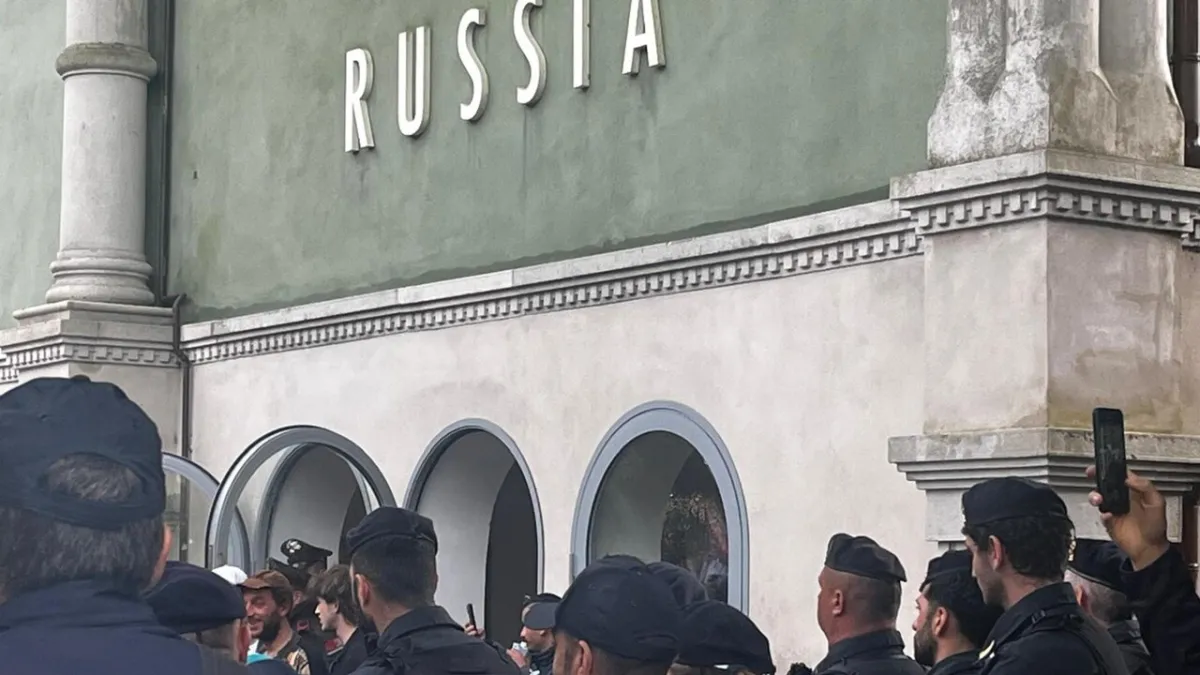
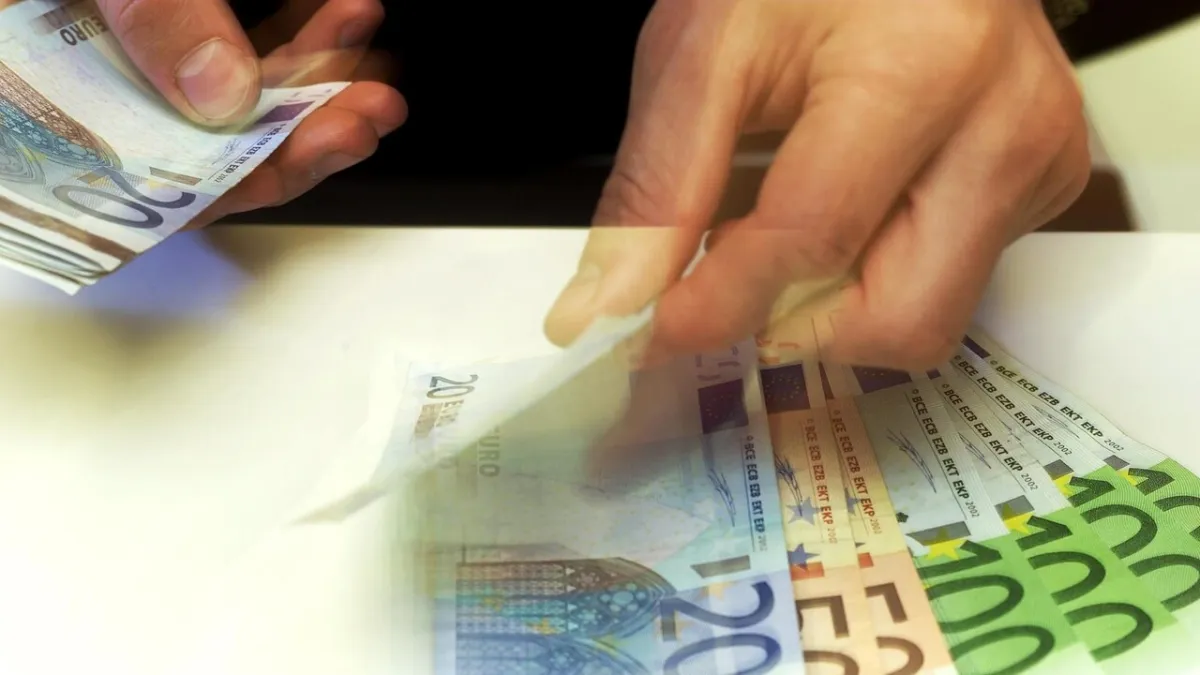
Venice — The European Union has officially announced the freezing of two million euros in funds originally allocated for the prestigious Venice Biennale art event in 2026. This drastic decision stems directly from an official recommendation by the European Commission, reaffirming the bloc's firm stance on the Russia case, a move with the potential to send significant ripples through the global art and culture world.
This financing halt marks a new chapter in the dynamic relationship between geopolitical politics and the independence of cultural institutions. The frozen funds are crucial for the operations and key programs of the Biennale, a biennial event that serves as a barometer for trends and innovations in international contemporary art.
The European Commission, through its spokesperson Anaïs Bertrand, stated that the recommendation is part of the EU's consistent efforts to maintain the integrity of its foreign policy. "We must ensure that every allocation of European Union funds aligns with the bloc's principles and political positions, especially in the face of ongoing aggression in Ukraine," Bertrand remarked at a press conference in Brussels, referring to the conflict that still shadows Europe into 2026.
The decision specifically refers to the involvement of certain entities or individuals affiliated with Russia in some aspects of previous Biennales, although the organizing committee has repeatedly affirmed its commitment to artistic neutrality. The European Commission's assessment appears to lean more towards potential perceptions and symbolic implications rather than substantial direct involvement.
Fondazione La Biennale di Venezia, as the organizer, expressed deep disappointment. Artistic Director Giancarlo De Rossi stressed that they are evaluating the financial and logistical impact. "Two million euros is a significant amount. We are dedicated to presenting an inclusive and high-quality art platform, and financial obstacles like this will certainly force us to review some programs," De Rossi said in a written statement.
This funding freeze is not merely a financial issue; it also ignites a fierce debate about artistic autonomy. Critics argue that such political intervention can endanger freedom of expression and make cultural institutions vulnerable to geopolitical pressures, while proponents of the policy contend that no institution should be immune from broader moral and political considerations.
The Italian government, through the Ministry of Culture, has expressed concern. Culture Minister Lorenzo Galli indicated his intention to engage in dialogue with the European Commission to find a solution. "The Venice Biennale is a cultural jewel of Italy and Europe. We hope to find a middle ground that allows this event to proceed without disregarding the principles of the European Union," Galli explained.
Similar incidents have occurred in the past, where major cultural events have occasionally become entangled in complex foreign policy networks. However, the scale and direct targeting of funds in this manner indicate an increased assertiveness from the European Union in applying its sanctions and political pressure.
The global art community has reacted diversely. Some artists and curators lament the impact on creativity and opportunities for artists from various backgrounds, especially those who rely on financial support to participate. Others support the EU's move as an important moral signal against regimes deemed to violate international law.
Discussions about the future of cultural funding amid a turbulent geopolitical landscape will be a key focus in the coming months. How the Venice Biennale can adapt and remain relevant without losing its essence as a world art forum will be a true test of cultural resilience in this era of global tension in 2026.
The long-term implications of this decision could change how major cultural institutions seek and receive funding. Dependence on a single funding source might decrease, encouraging diversification and the search for sponsors from the private sector or philanthropy, which might be less tied to political considerations.
This funding freeze also sends a strong message to EU member states and their partners about the bloc's seriousness in maintaining its collective policy line. It affirms that even the cultural sector, often considered apolitical, is not exempt from the impact of global conflicts and political decisions made in Brussels.