 Debby Wijaya
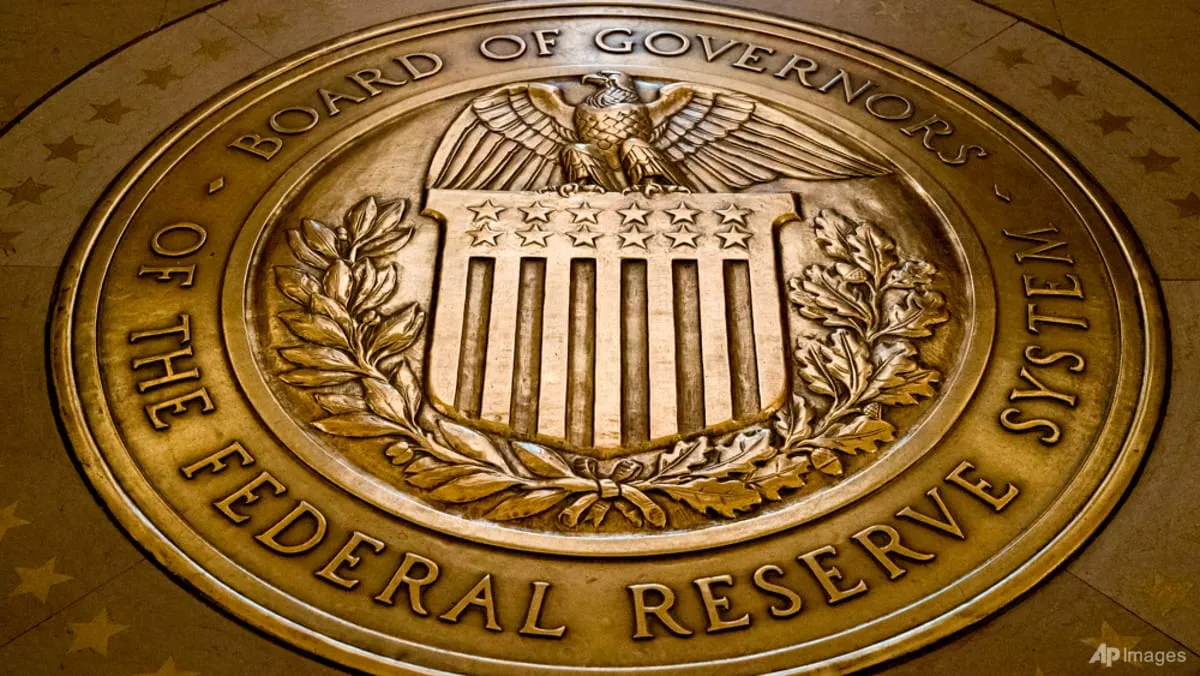
WASHINGTON D.C. – The Federal Reserve (The Fed) continues to prioritize global economic stability amidst market turbulence in 2026. Several high-ranking US central bank officials, including Boston Federal Reserve President Susan Collins, have underscored the urgency of a more measured and gradual approach to interest rate hikes. This strategy, according to Collins, is the most appropriate step to mitigate potential economic risks and ensure sustained market adaptation to changing borrowing costs.
Collins and her colleagues argue that a non-hasty pace of rate increases allows various economic sectors time to adjust. This measured slowdown aims to prevent shocks that could trigger financial market volatility, protect jobs, and maintain investor confidence. This policy reaffirms the Fed's commitment to its dual mandate of maintaining price stability and achieving maximum employment.
Under President Donald Trump's administration, the Fed faces a dual challenge. Global inflation remains a concern and must be addressed without undermining fragile economic growth. This gradual approach reflects an effort to balance these objectives, ensuring that every monetary policy adjustment is made with careful consideration of its impact.
Recent economic data for 2026 indicate recovery in some sectors, but the threat of recession still looms amid geopolitical uncertainty and global energy price fluctuations. The Fed must keenly observe indicators such as unemployment rates, consumer spending, and manufacturing indices to calibrate the pace of rate hikes effectively.
Global financial markets, from stock exchanges to bond markets, eagerly await every signal from the Fed. Collins' statement provides clarity on the policy direction, helping investors formulate strategies and reduce wild speculation. The stability offered by a gradual approach is expected to curb volatility and create a more predictable investment climate.
United States monetary policy has a domino effect worldwide. Fed rate hikes directly influence the US dollar's exchange rate, which in turn impacts borrowing costs and investments in developing countries, including Indonesia. Nations with foreign debt denominated in US dollars are particularly vulnerable to a strengthening dollar, which can increase their repayment burden.
Nevertheless, not all economists fully agree with an overly cautious approach. Some argue that inflation might require a more aggressive response. They worry that if the Fed acts too slowly, inflation could become more entrenched and harder to control in the future, potentially leading to stagflation. This illustrates the complex dilemma faced by policymakers.
History shows that both overly aggressive and overly passive monetary policies have led to significant consequences. In certain decades, sudden rate hikes triggered recessions, while at other times, delayed responses to inflation led to prolonged price crises. Lessons from the past serve as important guidance for the Fed.
The Fed's decisions in the upcoming meetings will be crucial. Markets will continue to monitor communications from central bank officials and released economic data. The balance between controlling inflation and protecting economic growth will be key to the Fed's success in navigating this challenging period.
Business actors welcome this cautious signal, hoping to avoid sudden shocks that could disrupt their investment plans. Meanwhile, consumers might feel the impact of slightly higher borrowing costs for mortgages or car loans, but they also hope that inflation can be controlled, thereby preserving purchasing power.
In an interconnected global context, the Fed's decisions will also influence the dynamics of digital asset markets. When US monetary policy signals tightening, investors tend to shift from risky assets like cryptocurrencies to more stable ones. This is relevant to the dynamics observed in the related article about Bitcoin Plunges to $65,000: Analysts Warn of Fourth Capitulation Wave, which highlights the vulnerability of digital assets to changes in macroeconomic policy.
Editorial Insight: The gradual interest rate hike policy advocated by the Fed is a pragmatic effort to manage economic uncertainty in 2026. It indicates that the central bank is learning from past mistakes, prioritizing long-term stability over impulsive reactions. The success of this strategy will heavily depend on the Fed's ability to interpret complex economic signals and communicate them transparently, to maintain global market confidence.