 Stefani Rindus
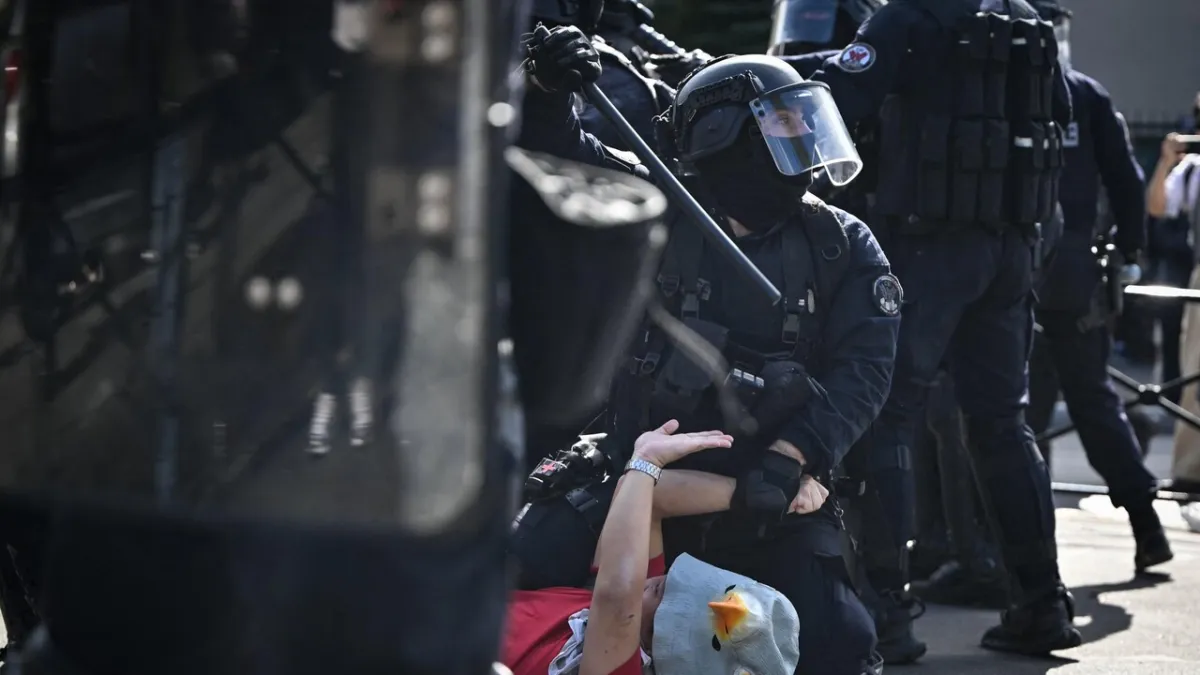
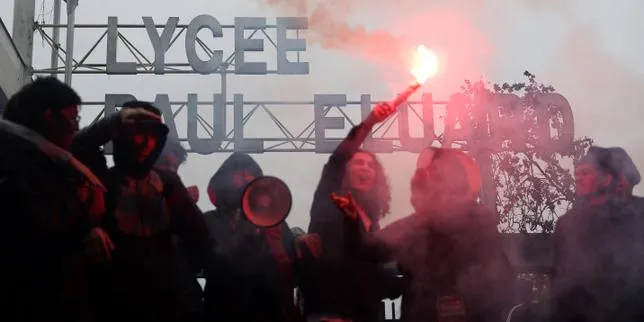
PARIS – A severe wave of unrest has swept across various parts of France following student actions attacking and setting fire to several educational facilities. The incidents culminated in over two thousand arrests nationwide, highlighting an escalating crisis that forced the government to establish an emergency cabinet in 2026. Tensions further escalated after a school in Marseille witnessed extreme violence, where a principal was doused with gasoline by assailants.
The French government, through its spokesperson, explicitly accused the opposition party, France Insoumise, as the provocateur and force behind this wave of chaos. These serious accusations were made during an emergency press conference held at the Elysee Palace, indicating a political dimension to this social upheaval. Authorities affirmed that they would not tolerate any form of anarchy or destruction of public facilities.
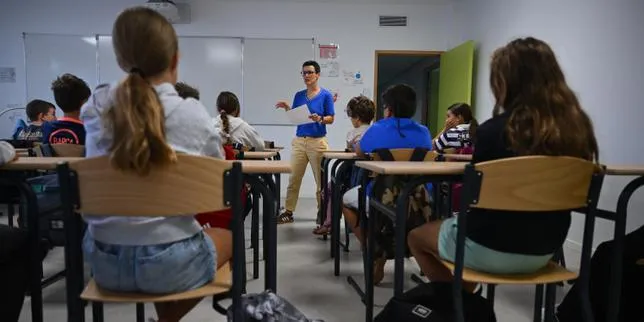
These acts of school arson and vandalism have not only caused significant material damage but also disrupted the learning process for thousands of students. The educational environment, which should be a safe place for learning, is now shrouded in fear and uncertainty. Many parents have voiced deep concerns regarding their children's safety.
The incident of dousing a principal with gasoline in Marseille marked a low point in the series of violent acts. The victim was reported to be in severe trauma, although their life was saved. The police immediately launched a comprehensive investigation to uncover the motive behind this brutal attack and apprehend the perpetrators.
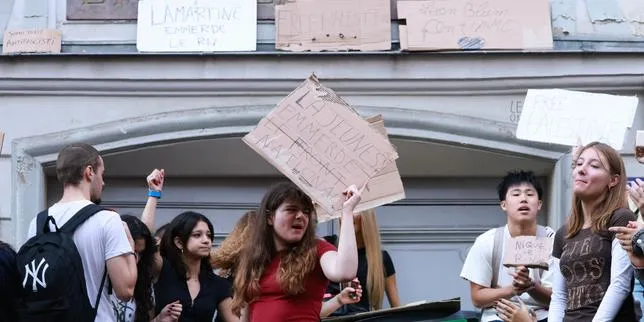
These events occurred amidst long-simmering discontent among some French students and youth. Issues related to education reform, job opportunities, and the government's response to social demands often trigger demonstrations, which, unfortunately, frequently escalate into violence. To understand the broader context, readers can explore an article on France's teacher crisis that once affected the nation.
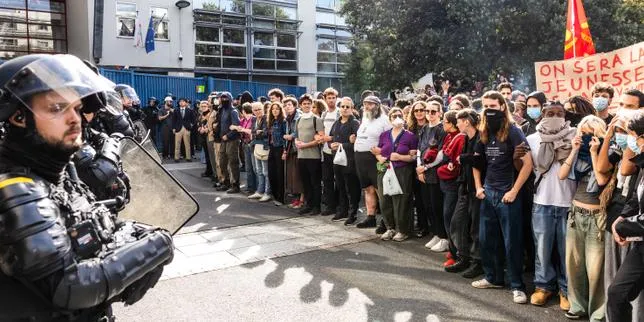
In a swift response, the French Minister of Interior instructed increased security around educational facilities and other public areas. Thousands of police and gendarmerie personnel have been deployed to maintain order and prevent further escalation. The government is determined to restore the situation as quickly as possible to ensure public safety.
The French Prime Minister, in his address, called for constructive dialogue and condemned acts that damage educational facilities. He emphasized the importance of preserving educational institutions as pillars of the nation's future. However, these calls do not appear to have appeased the anger of certain groups who feel their aspirations are not being heard.
The France Insoumise party, through its representatives, vehemently denied the government's accusations. They stated that the accusations were an attempt to deflect from deeper underlying social problems. The party reiterated its position as a defender of people's rights and criticized the government's response, which it deemed repressive.
This crisis demonstrates that the education system in France still faces serious challenges. From budgetary issues to a lack of effective communication between the government and educational stakeholders, these problems continue to be embers beneath the surface that could ignite at any time. Similar incidents, such as school blockades, have also occurred previously.
The economic impact of this unrest is expected to be significant, particularly on the education sector and public infrastructure. The cost of repairing damaged facilities, coupled with losses due to disrupted economic activity, will impose an additional burden on the national budget.
The French government now faces dual pressure: quelling the unrest on the streets while maintaining political stability. The emergency cabinet's ability to formulate comprehensive solutions acceptable to all parties will be a crucial test for national leadership in this year 2026.
Editorial Insight:
The current unrest in France is not merely an ordinary incident of violence, but a reflection of deep-seated social and political tensions. The accusations against France Insoumise indicate a governmental attempt to identify political masterminds behind the turmoil, yet this risks exacerbating polarization. Without fundamental solutions to root causes like social injustice or unpopular education reforms, similar incidents are likely to recur and threaten France's national cohesion.