 Chandra Wijayanto
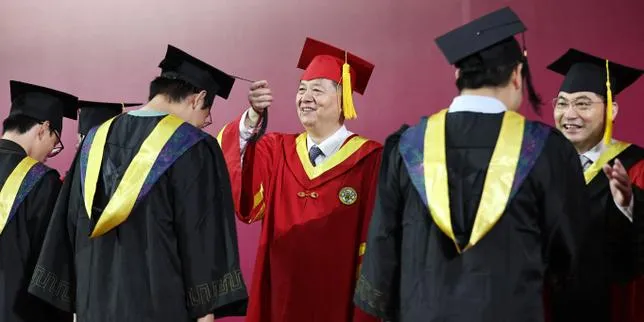
PARIS – French academic institutions, in 2026, are increasingly fostering research and development cooperation with China, particularly in artificial intelligence (AI), even as the specter of interference and espionage looms over these strategic partnerships. This phenomenon highlights a profound dilemma faced by Western nations: the need to leverage China's rapidly advancing expertise versus vigilance against potential national security threats.
China, often referred to as the Middle Kingdom, has firmly established itself as an undeniable global power in AI technology development. This success is reflected in its dominance in various scientific publications, patents, and, crucially, in global university rankings such as the Shanghai Ranking. Many Chinese educational institutions consistently occupy top positions, particularly in computer science and engineering fields.
French academics acknowledge China's superiority in AI research capacity, project scale, and innovation speed. These partnerships offer opportunities for French universities to access substantial financial resources, extensive research networks, and colossal datasets that are often difficult to obtain in Europe. Such collaborations span a wide spectrum, from machine learning algorithms and computer vision to natural language processing.
However, beneath these opportunities lie serious concerns from intelligence agencies and foreign policy observers. They warn of the risks of unauthorized technology transfer, intellectual property theft, and the potential for dual-use research outcomes to be exploited for military or surveillance purposes. The French government, through its Ministry of Higher Education and Research, strives to find a balance between promoting scientific collaboration and protecting strategic national interests.
Some factions in France urge stricter regulation of these cooperations, especially in sensitive sectors. They argue that partnerships must be accompanied by robust security protocols and transparent oversight mechanisms to prevent misuse. Discussions on AI ethics and its geopolitical implications are also intensifying within academic and political circles.
Nevertheless, many leading French universities continue to view China as an inevitable partner in the global AI race. They believe that isolating themselves from developments in China would ultimately harm French innovation and long-term competitiveness. They advocate a pragmatic approach: selective cooperation while maintaining full vigilance.
The decision to maintain and even expand cooperation with China is also based on a long-term vision to strengthen France's research ecosystem. By directly interacting with Chinese experts, French institutions hope to accelerate knowledge transfer and enhance their internal capabilities. This aligns with the French government's efforts to improve the quality of higher education, as outlined in policies like Three Million French Families to Receive Education Aid 2026: Government Boosts Future. This program emphasizes investment in human resources to meet global challenges.
Recent reports from technology analysis firms indicate that China not only excels in publication quantity but is also increasingly dominant in the quality of fundamental AI research. This makes collaboration with China even more attractive for researchers seeking to be at the forefront of scientific discovery.
Decision-makers in France are now facing a complex challenge. How can they benefit from China's expertise without compromising their data security and technological sovereignty? The solution appears to lie in robust frameworks, continuous risk assessment, and careful scientific diplomacy.
Universities and research centers in both countries continue to organize joint conferences, student exchange programs, and collaboratively funded research projects. The focus is often on AI applications that positively impact humanity, such as medical diagnostics, renewable energy, or disaster mitigation, although dual-use potential remains a key concern.
Editorial Insight: The dilemma facing France mirrors the geopolitical and technological realities of 2026. China has become an undeniable hub of AI innovation. For countries like France, the choice is no longer about avoidance, but about managing the risks of indispensable partnerships. The balance between collaboration for scientific advancement and the protection of national interests will be crucial in shaping the future of the global technological landscape. Transparent and adaptive policies will be vital in navigating this complexity.