 Robert Andrison
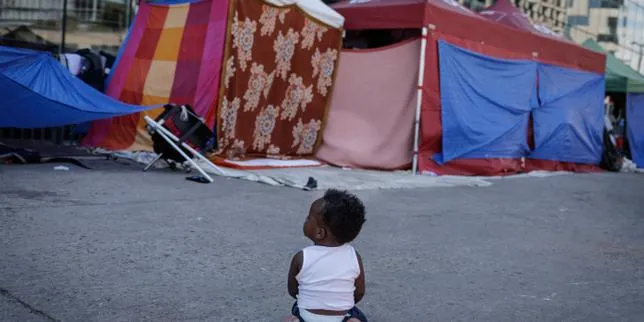
PARIS – Over 2,300 children in France are forced to live without shelter, sleeping on the streets in 2026, a figure that has sparked deep disappointment from various solidarity associations. The latest data released by UNICEF France and the Federation of Solidarity Actors reveals a significant 9% increase compared to 2025, and a staggering 42% jump since 2022, highlighting the government's failure to meet its 'zero children on the streets' target announced four years ago.
This emergency situation, as published in their barometer, indicates a worrying and continuously deteriorating trend. These alarming figures do not just represent cold statistics, but thousands of real stories of suffering and uncertainty for children in one of Europe's wealthiest nations.
The Federation of Solidarity Actors, an organization dedicated to social issues, expressed its concern over this increase. We continue to see a dramatic rise in the number of children who lack adequate housing. This is a disgrace for a country that pledged to protect its most vulnerable citizens, stated a spokesperson for the Federation.
The sharp 42% increase since 2022 is a major highlight. In that year, the French government explicitly reaffirmed its commitment to ensure that no child would sleep on the streets. That promise now appears far from reality, raising serious questions about the effectiveness of existing social policies.
UNICEF France also voiced similar disappointment. The global child protection organization urged the government to take immediate concrete action. Every child has the right to safe and stable housing. This situation endangers their physical and mental health, and hinders their access to education, said a representative from UNICEF France.
The adverse effects of homelessness on children are extensive. They are vulnerable to various risks such as malnutrition, illness, violence, exploitation, and difficulties in accessing basic services including school. The lack of a fixed address also complicates their ability to obtain identity documents and other fundamental rights.
Many attribute this problem to France's worsening housing crisis, especially in major cities. Rising rental prices, a shortage of social housing, and complex bureaucracy often hinder low-income families from securing decent accommodation.
Ironically, while the world discusses major educational reforms, such as those once proposed by Gabriel Attal or Philippe, fundamental issues like housing for students themselves are often overlooked. Yet, residential stability is an essential foundation for a child's development and educational success. (Gabriel Attal Shakes French Education: Radical Reforms Ready by 2026!).
This situation also exacerbates a broader inclusion crisis, as seen with thousands of disabled students still lacking essential support. The absence of a home is an unimaginable additional layer of suffering. (French Inclusion Crisis: Thousands of Disabled Students Without Essential Support).
Social activists are calling for increased budget allocation for emergency housing programs and support for vulnerable families. They also urge the simplification of procedures for accessing social assistance to reach those most in need quickly.
The persistence of the street children problem in France is not just a humanitarian issue, but also a serious challenge to the country's image as a protector of human rights. Decisive and sustained political action is required to address the root causes of this problem.
Editorial Insight: These heartbreaking figures are not merely statistics, but a stark reflection of broader social policy failures in France. The political promise to achieve 'zero children on the streets' now rings hollow in the face of a continuously worsening reality. This situation demands a comprehensive evaluation of strategies for poverty alleviation and the availability of adequate housing, as well as stronger cross-sector collaboration to protect the most vulnerable groups in society.