 Robert Andrison
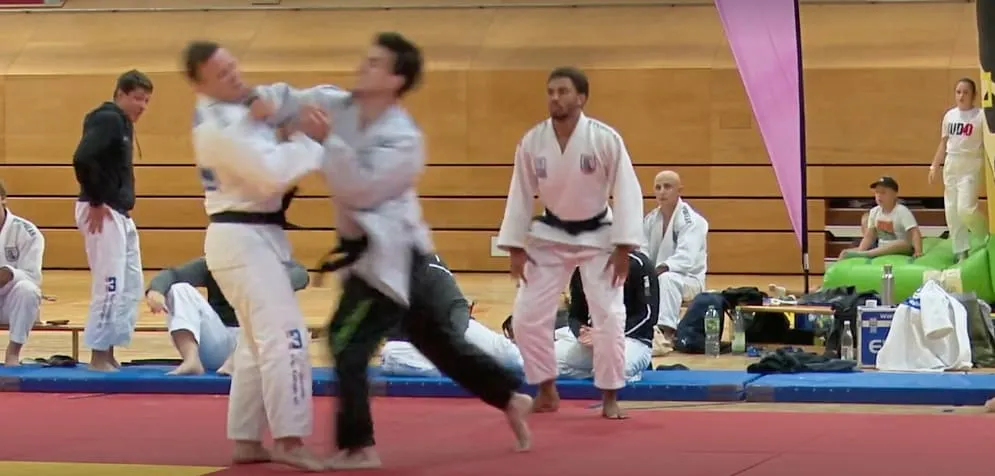
Berlin – The world of judo has been rocked by a shocking act of violence after Georgian judoka Japaridze brutally assaulted German Olympian Cavelius. The unfortunate incident left Cavelius with severe injuries, including a broken jaw and two lost teeth. Japaridze has now spoken out, offering a justification for his actions that has stunned many within the international sports community.
Japaridze, whose identity is now under intense scrutiny, reportedly committed the physical assault outside of an official competition venue. Initial reports indicate the altercation resulted in serious injuries for Cavelius, a celebrated German athlete. The event has sparked deep concern regarding ethics and sportsmanship among professional athletes.
In his first public statement, Japaridze attempted to explain the motive behind his actions. He declared, 'As a Georgian and a man, it was unacceptable.' This statement implies a personal or cultural trigger perceived by the judoka, though specific details regarding the provocation remain unclear.
Japaridze's justification has met with mixed reactions. While some might interpret it as an attempt to protect personal or national honor, the majority has strongly condemned the use of physical violence beyond the bounds of sporting competition. The International Judo Federation (IJF) has yet to issue an official statement, but a thorough investigation is anticipated.
The injuries sustained by Cavelius are extremely severe. Doctors confirmed he suffered a broken jaw requiring surgery, and the loss of two teeth indicates the extraordinary force of the blows. Cavelius's recovery is expected to be lengthy, potentially jeopardizing his future Olympic career.
This incident is not the first time the sports world has been agitated by acts of violence outside of competition. Similar cases often spark heated debates about mental pressure, emotional management, and the behavioral standards of professional athletes. Another notable case was The Pitch Tragedy: Karetsas Collapses in BVB vs Villarreal Match, although that incident had a different context.
Japaridze's statement linking his actions to his identity 'as a Georgian and a man' requires further scrutiny. Were specific cultural norms perceived by Japaridze to have been violated, or is this merely rhetoric to justify momentary anger? These questions are crucial in understanding the root cause of this incident.
The international sports community now awaits an official response from judo authorities and the Olympic committee. Severe sanctions, including competition bans or even license revocation, could be imposed on Japaridze if he is found to have violated the athletic code of conduct. This case serves as a reminder to all athletes about the moral and ethical responsibilities that must be upheld.
The repercussions of this incident are likely to extend beyond individual sanctions. The reputation of judo, an sport known for discipline and respect, has been somewhat tarnished. Debates about athlete mental health and adequate psychological support may resurface.
Attention will also turn to supervision and education for athletes, especially those prone to high temperaments. The importance of promoting dialogue and peaceful conflict resolution must be reiterated, rather than resorting to violence that harms all parties involved.
Editorial Insight:
The incident involving Japaridze and Cavelius is more than just a case of interpersonal violence; it reflects the complex pressures within professional sports. Japaridze's justification, referencing his identity 'as a Georgian and a man,' raises serious questions about how athletes perceive honor and conflict resolution. Without clear details of provocation, his brutal actions remain unjustifiable. Sports federations must take proactive steps to review codes of conduct and ensure psychological support for athletes, preventing similar occurrences and preserving the integrity of global sportsmanship.