 Angela Stefani
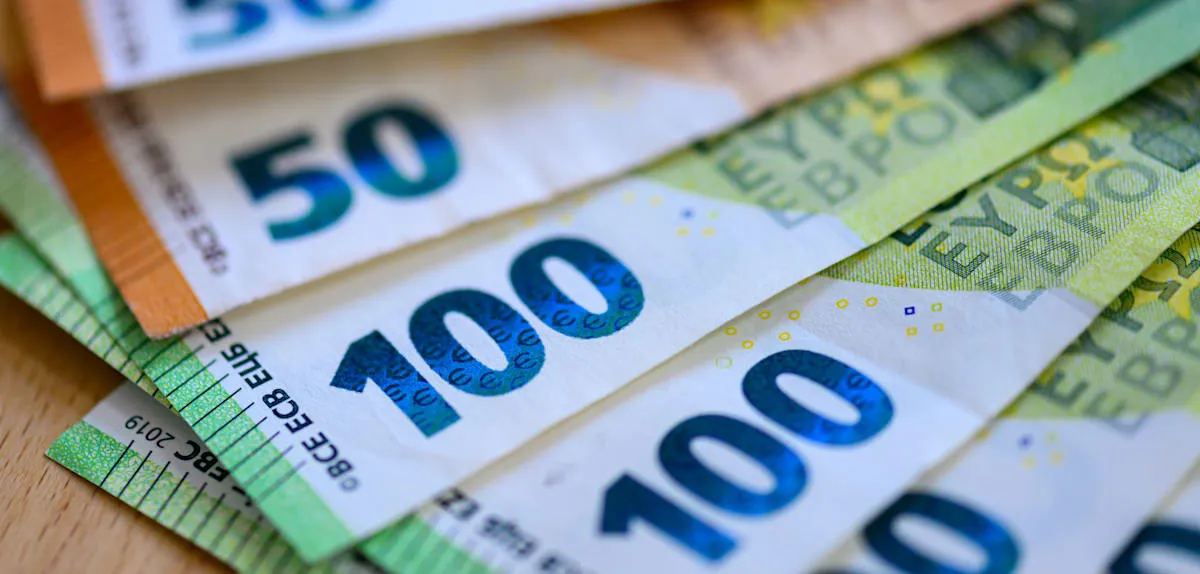
BERLIN — Germany recorded a significant 5.1 percent increase in median income in 2025, surpassing 200 Euros per month, while simultaneously narrowing the gender pay gap. This phenomenon signals a strengthening of fundamental economic resilience and purchasing power amidst ongoing global challenges. The latest statistical data underscores Germany's exceptionally stable labor market.
This notable rise in median wages is a strong indicator of post-pandemic economic recovery and a response to the inflationary pressures previously experienced. The 5.1 percent figure is not merely a statistic; it reflects a tangible improvement in the welfare of thousands of workers across Germany, providing a significant boost to household consumption.
One of the main highlights of this report is the shrinking difference in gender pay, a positive step towards economic equality. While more work remains, this reduction indicates the effectiveness of inclusive policies and corporate awareness regarding pay fairness.
Economists analyze that this wage increase was driven by several factors, including aggressive collective bargaining by trade unions, a shortage of skilled labor in key sectors, and the need to maintain workers' purchasing power amidst rising living costs.
Interestingly, a small federal state recorded the most impressive increase, surpassing the national average and becoming an example of successful regional income growth. This achievement demonstrates that local labor market dynamics play a crucial role in shaping the national economic landscape.
The direct impact of this wage increase is, of course, felt in enhanced public purchasing power. With higher net incomes, consumers have greater capacity to spend, invest, and save, which in turn fuels further economic growth. Previous analyses also indicated similar positive trends that strengthen Germany's economic fundamentals.
The federal government, through the Ministry of Economy, welcomed this data as proof of Germany's economic resilience. Minister of Economy, Robert Habeck, stated at a press conference last week, "This data shows that our collective efforts to maintain stability and foster economic growth are bearing fruit. Our priority is to ensure this prosperity is sustainable and inclusive for all citizens."
Nevertheless, challenges persist. Inflation, although now under control, remains a concern. Furthermore, global geopolitical dynamics and potential fluctuations in energy prices remain variables that need to be monitored to ensure this growth momentum is not disrupted.
Within the European context, Germany continues to lead in terms of economic stability and a strong labor market, acting as an anchor for the Eurozone. This solid wage increase sends positive signals to European partners and global investors regarding Germany's economic outlook in 2026.
Looking ahead, the focus will be on how fiscal and monetary policies can continue to support this growth while managing potential risks. The government and the European Central Bank are expected to remain cautious in formulating their next steps to ensure the sustainability of economic expansion and social equity.
In-depth studies of specific sectors show that the technology industry and professional services were key drivers of wage increases, aligning with high demand for specialized skills. These sectors not only offer competitive salaries but also contribute significantly to national innovation and productivity.
However, not all sectors experienced uniform wage increases. Certain sectors, particularly those relying on lower-wage workers, still face challenges in raising compensation. This highlights the need for more targeted policies to ensure a fairer distribution of prosperity.
The German government is also considering structural reforms to increase labor force participation, especially among women and immigrants. These policies are expected to further reduce the gender gap and enhance long-term economic growth potential.
Analysts from leading economic research institutes in Germany project this positive trend will continue, albeit possibly at a slightly slower pace due to external factors. They emphasize the importance of investment in education and training to ensure a stable supply of skilled labor.
Overall, the report on median wage increases and the narrowing gender gap is welcome news for Germany. It demonstrates that despite facing global uncertainties, the German economy possesses the resilience and capacity to continuously improve the welfare of its citizens.
This also aligns with reports indicating a drastic drop in electric car prices in Europe, which could boost consumer purchasing power in the automotive sector alongside rising incomes.
With strong economic foundations and a commitment to social justice, Germany is poised to meet future challenges and capitalize on opportunities in the coming years, solidifying its position as one of the world's leading economic powers.