 Gabriella
BERLIN — Germany's largest automobile club, ADAC, has issued a sharp critique regarding the alarmingly high fuel prices for both gasoline and diesel amidst global crude oil price fluctuations in July 2026. This phenomenon has sparked serious suspicions about potential non-transparent pricing practices by refinery companies, urging immediate intervention from competition authorities.
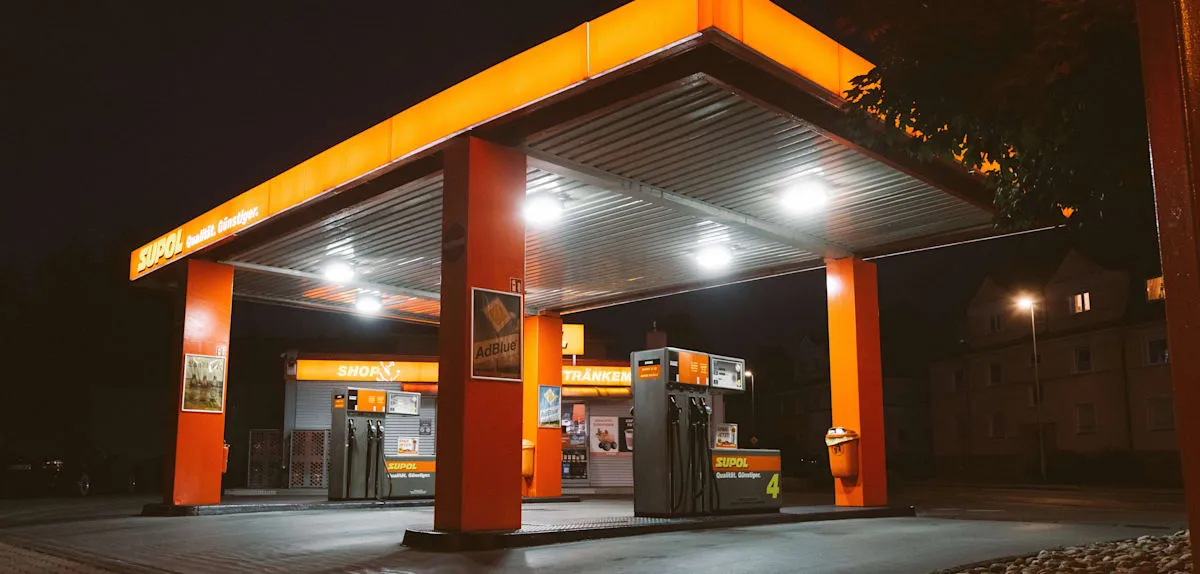
ADAC highlights that despite international crude oil prices tending to stabilize or even decline, retail prices at gas stations across Germany show the opposite trend. The most significant increase has been observed in diesel prices, which surged by a notable 27.9 cents per liter.
The striking disparity between global crude oil prices and pump prices in Germany raises major questions among consumers and economic observers. This situation directly burdens millions of motorists and transportation businesses who rely on fuel for their daily operations.
ADAC specifically demands that the Bundeskartellamt, Germany's Federal Cartel Office, immediately launch a comprehensive investigation into the pricing strategies of refinery companies. This demand follows allegations of potential collusion or unhealthy market dominance that hinders fair competition.
An ADAC spokesperson, in their official statement, asserted, "There is no rational and transparent economic reason that can explain why fuel prices, particularly diesel, remain at such high levels while crude oil production costs are relatively stable. This situation indicates room for speculation or monopolistic practices detrimental to the public."
The Bundeskartellamt, as an independent institution tasked with maintaining healthy competition in the German market, is expected to promptly follow up on this demand. An objective investigation is crucial to ensure that consumers are not victims of price manipulation or secret agreements between producers.
The impact of these suffocating fuel prices extends broadly across various economic sectors. Logistics and transportation costs will increase, which could eventually trigger price hikes for other goods and services. This poses a serious challenge to inflation stability, a primary focus of the German government's economic policy throughout 2026.
The German federal government, led by Chancellor Olaf Scholz in this 2026 period, is under pressure to respond to public complaints and ensure price fairness. Sustainable energy policies and strict market oversight are vital instruments in preserving the purchasing power of the population.
ADAC also encourages motorists to be more discerning when choosing gas stations, given the price disparities between locations. Fuel price comparison applications can serve as effective tools for consumers to save on their expenditures during this challenging period.
This abnormal fuel price controversy is not unprecedented. History shows that the energy sector is susceptible to complex market dynamics and requires intervention to protect consumer interests. Transparency in pricing data and cost structures is key to unraveling the mystery behind the current surge.
The Bundeskartellamt's investigation is expected not only to uncover potential violations but also to formulate policy recommendations to prevent similar practices in the future. Public trust in fair market mechanisms heavily relies on firm actions from regulators.
The public and consumer advocacy groups continue to monitor these developments, hoping for concrete solutions that can alleviate the economic burden imposed by high fuel prices. Price fairness is not just an economic matter but also an integral part of social well-being.