 Demian Sahputra
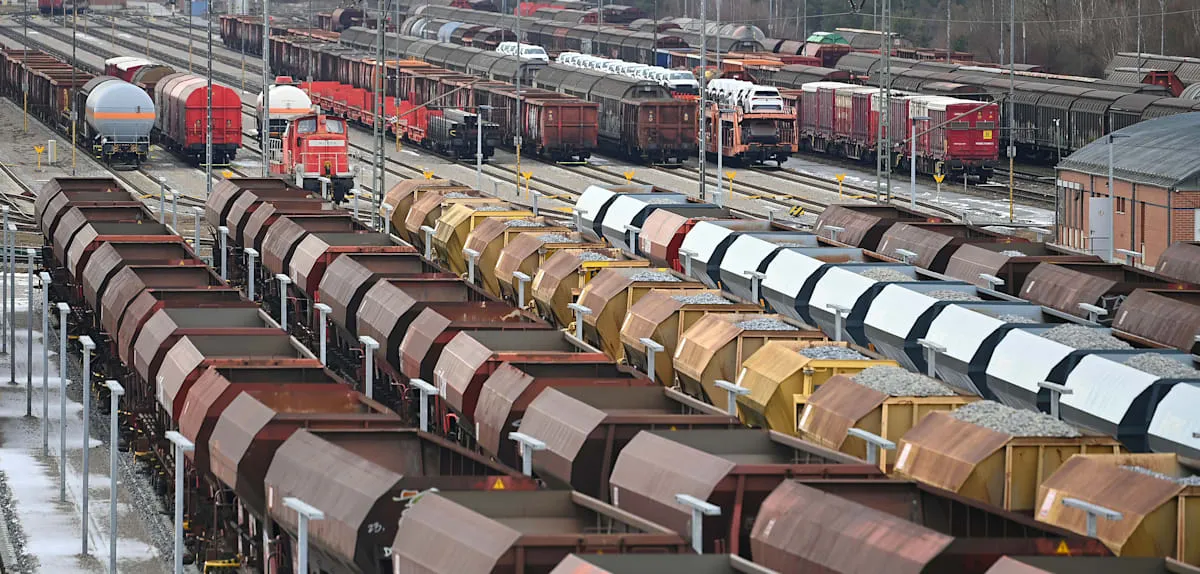
BERLIN — German industry faces a serious threat in 2026 as track access charges for rail freight are projected to rise by ten percent. This annual cost surge has triggered alarms among industry associations, jeopardizing long-term plans to optimize logistics and transport sustainability.
This increase in tariffs, known as “Schienenmaut” or track access fees, is not a new phenomenon. Every year, companies relying on rail transport to move their goods bear increasingly heavy financial burdens, eroding profit margins and competitiveness.
The situation is exacerbated by Germany’s ambitious targets to transition to more environmentally friendly modes of transport. Rail freight is supposed to be the backbone of this strategy, yet rising costs are hindering its adoption and further investment in this vital sector.
The Federation of German Industries (BDI) has generally expressed deep concern regarding the impact of escalating logistics costs. They argue that these price increases will directly affect the final product prices, ultimately borne by consumers.
This situation also highlights a dilemma in European Union transport and economic policy. While many nations encourage shifting freight volumes from roads to rails to reduce emissions, the tariff increases in Germany could set a negative precedent for similar efforts in other member states.
The projected ten percent increase for 2026 represents a significant blow. It means companies must reallocate substantial budgets, reducing their capacity for investment in other areas such as product innovation or human resource development.
Economic experts predict that the domino effect of these tariff hikes will be widespread. Not only the manufacturing sector but also agriculture, mining, and retail industries, which heavily depend on supply chain efficiency, will feel the impact.
Although rail infrastructure requires continuous maintenance and development, the method of financing through perpetual tariff increases is being questioned. The government needs to review pricing mechanisms to ensure a balance between infrastructure needs and industrial competitiveness.
Several major companies have reportedly begun re-evaluating their logistics strategies. There are concerns that some may be forced to revert to cheaper road transport, despite the consequences of a higher carbon footprint.
Such a move, if it occurs en masse, would significantly impede Germany's and Europe's climate targets. Ironically, efforts to promote sustainable transport are being hampered by unsupportive pricing policies.
The government and rail infrastructure operators are expected to engage in discussions with industry associations to find comprehensive solutions. Open dialogue is necessary to create a transparent, stable, and predictable tariff structure.
Maintaining the competitiveness of German industries in the global market heavily relies on operational efficiency, including logistics costs. Uncontrolled increases in rail freight tariffs could damage Germany's reputation as an efficient manufacturing hub.
The future of rail freight in Germany now stands at a crossroads. Decisions made this year will determine whether rail can fulfill its role as a sustainable transport mode of the future or lose its momentum.
Industry players urge for subsidies or incentives that can mitigate this cost surge, at least in the short term. This is considered crucial to prevent the migration of freight back to road transport.
Thus, pressure on the government and relevant authorities is mounting. A fair and sustainable resolution to this rail tariff issue will be an indicator of their commitment to a broader economic and environmental vision.
The year 2026 is crucial in determining the direction of Germany's transport and economic policies. The Schienenmaut tariff policy is not just a number, but a reflection of national and regional priorities in achieving sustainable development.