 Stefani Rindus
Berlin — Germany's industrial sector faces a severe threat in 2026, as its electricity prices have drastically surged, exceeding the European Union average. This condition is triggered by the accumulation of high state levies, taxes, and grid transmission fees, creating what industry players describe as a “homemade problem.”
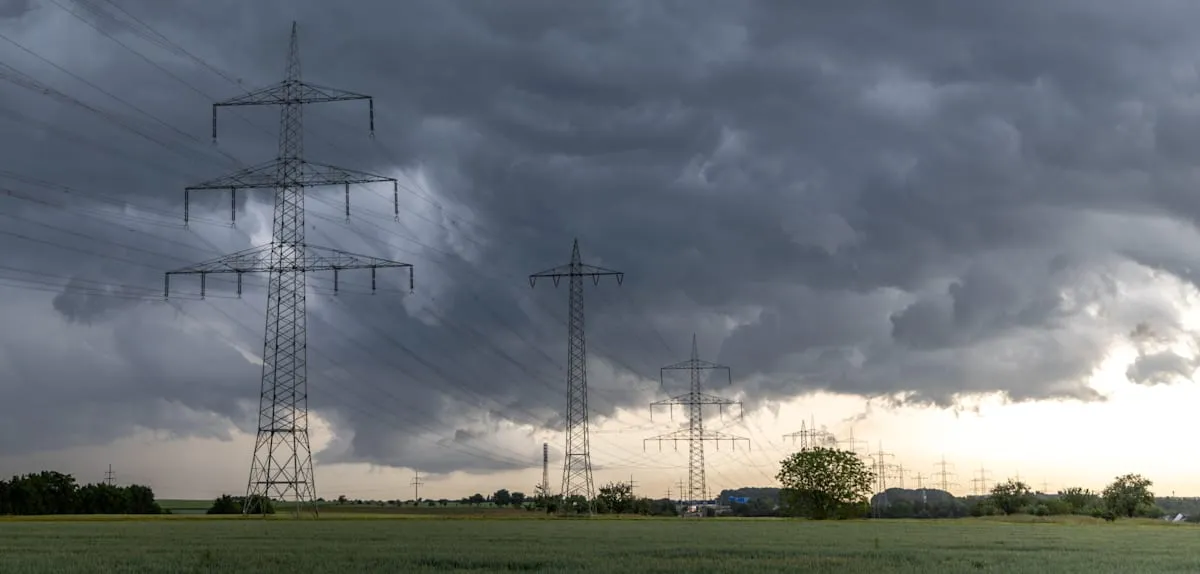
The primary factor contributing to Germany's high industrial electricity costs stems from Netzentgelte, or grid transmission fees, imposed on companies. These costs are significantly higher, almost double, compared to the average borne by similar companies in other EU member states.
Beyond grid fees, an industry initiative highlights that Steuern (taxes), Abgaben (levies), and Umlagen (surcharges) implemented by the German government also add to the burden. This combination of fiscal charges places energy-intensive companies in a highly disadvantageous position.
This situation raises deep concerns about the global competitiveness of German industry. Large corporations, particularly in the manufacturing and chemical sectors, face the dilemma of maintaining domestic production or considering relocation to countries with more competitive energy costs.
An industry initiative, which recently submitted a petition to the Ministry of Economic Affairs, underscores the urgency of energy policy reform. They argue that without significant changes, thousands of jobs and strategic investments will be at risk. A dual crisis of skilled worker exodus could worsen if this situation continues.
The German government under Chancellor Merz in 2026 faces strong pressure to formulate concrete solutions. Various factions in the Bundestag are debating options for subsidies or special tax relief for the industrial sector, but consensus remains elusive.
Comparisons with other European countries reveal that Germany's energy cost structure has unique and burdensome characteristics. Many neighboring countries employ subsidy schemes or more flexible regulations to support their strategic industrial sectors.
Chancellor Merz, who recently faced a cabinet drama and a crisis of confidence, is under intense scrutiny. His ability to navigate these economic challenges will be a crucial test of his administration's leadership in 2026.
Economists warn that without swift and well-planned intervention, Germany risks losing its industrial base, which has long been the backbone of its economy. The transition to green energy is also hindered if these transition costs unduly burden businesses.
The Federation of German Industries (BDI) explicitly calls on the government to immediately re-evaluate energy levies and tax policies. They propose cutting grid fees and reforming renewable energy schemes to reduce the cumulative burden on industry.
Long-term solutions may involve significant investments in more efficient energy infrastructure and diversification of energy sources. However, such initiatives require strong political commitment and inter-ministerial coordination, which are currently being tested by Germany's domestic political dynamics.
This situation is not merely an economic problem but also a strategic issue for Germany's future as a global industrial power. Loss of energy competitiveness could have a domino effect on other sectors, from technological innovation to the labor market.
Therefore, resolving the issue of high industrial electricity prices is a top priority on Germany's national agenda. Comprehensive policies are needed to ensure a smooth energy transition without sacrificing the country's economic foundation.