 Dodi Irawan
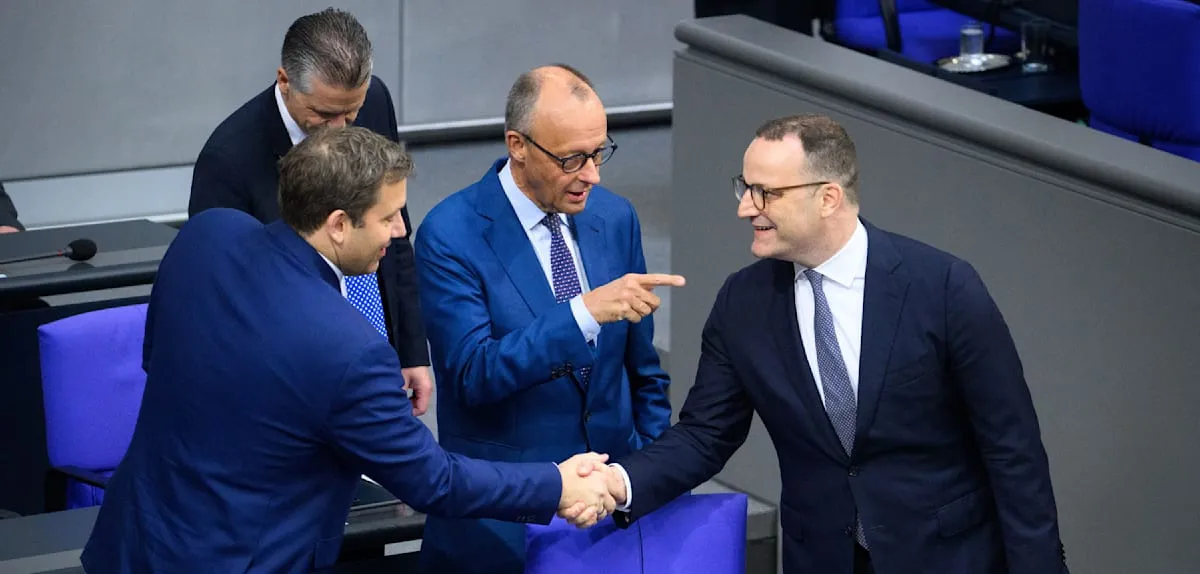
Berlin—The CDU/CSU parliamentary faction in the Bundestag is preparing for a crucial moment at the end of July 2026. They will hold a special session to determine the successor to Jens Spahn, who previously resigned from a key position. This vital decision, to be made within days, has the potential to alter the internal power dynamics of the coalition and spark widespread speculation about Germany's future political direction.
Jens Spahn's resignation, from a figure with a significant profile within the Union, has created a leadership vacuum that urgently needs to be filled. This move not only leaves major questions regarding the reasons behind it but also opens up space for new ambitious faces to take control. This situation highlights the ever-evolving internal dynamics of the party.
The schedule for appointing the successor has been set: late July 2026. According to available information, the election process will take place through a special session specifically convened for this purpose. This mechanism is designed to ensure a transparent and legitimate transition process for both the public and faction members.
The struggle for Spahn's seat is not merely a change of individual but a reflection of ideological debates and political strategies within the CDU/CSU faction. Whoever is chosen will bear the heavy task of reuniting the various existing factions and schools of thought, while simultaneously asserting the Union's position as a major political force in Germany.
This situation adds complexity to Germany's political landscape, already marked by various challenges. Earlier, several top German political scientists openly challenged existing coalition principles, raising concerns about threats to political stability leading up to 2026. The leadership change in the Union could be a decisive factor in maintaining or indeed shaking that stability.
Several names are widely rumored as strong candidates, although no formal announcements have been made. They come from diverse backgrounds, ranging from experienced senior figures to energetic younger generations, each with their own political vision and agenda. These names are a hot topic among observers and the media.
Jens Spahn's resignation itself did not go unnoticed. Previous reports highlighted how Daniel Peters also spoke out regarding tested political credibility following Spahn's departure. This indicates that this leadership change is not just a routine rotation but has deeper ethical and public trust implications.
The party grassroots are not silent either. Reactions from the grassroots are reported to have shaken the Union, even forcing Merz to act. Pressure from party members indicates high expectations for the new leader and demands that the chosen leadership effectively represents constituents' aspirations.
Whoever is eventually elected must be prepared to face several formidable challenges. These range from reorganizing the party's strategy for upcoming elections, addressing urgent economic and social issues, to maintaining factional unity amidst potential internal divisions. Managerial and leadership capabilities will be put to the ultimate test.
Therefore, this special session at the end of July 2026 is not just a routine party agenda. It is a defining moment for the CDU/CSU to reaffirm its identity and position itself within Germany's dynamically evolving political constellation. The election results will be an important indicator for the country's stability and future development.
Indeed, the political situation in Germany is often full of surprises. From sensitive issues to intense public debates, political discourse is constantly evolving. Some time ago, for example, the public was also stirred by the 'Chrupalla's Belly' caricature that shook Germany, showing the dynamic nature of political satire that often reflects societal anxieties. All of this forms a complex backdrop for this important election.
Thus, the eyes of the public and political observers will be on Berlin towards the end of July 2026. Great hopes are placed that the new leader will bring stability and innovation, ensuring the Union remains relevant and contributes significantly to the future of the Federal Republic of Germany.