 Gabriella
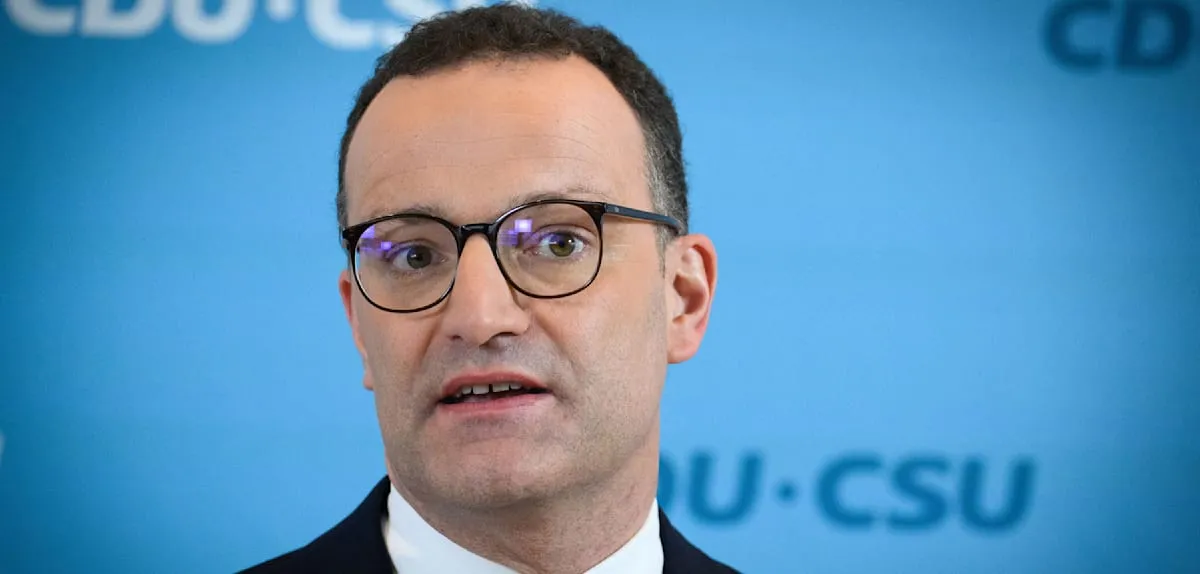
BERLIN — Jens Spahn, a senior politician from Germany's Christian Democratic Union (CDU) party, is currently engulfed in a wave of fierce criticism regarding the manner in which he formed his family. The issue, centered on alleged surrogacy, has not only sparked personal astonishment among fellow CDU cadres but also demands for an open explanation from the Green Party leadership. This controversy threatens to sharpen the ethical and social debate within Germany's political landscape entering 2026.
News concerning Spahn's method of family formation, widely circulated in German media, immediately caused an uproar. Many parties, particularly from within the CDU, expressed personal shock at the approach taken by one of the party's key figures. This atmosphere has created discomfort amid the party's efforts to maintain its image and consistency with traditional values.
Green Party leader, Omid Nouripour, firmly demanded that Spahn provide full clarification on the situation. "Transparency is the foundation of public trust. Spahn is obliged to explain to the public, not just his party colleagues, how he formed his family," Nouripour stated in a press release today.
Surrogacy, a practice where a woman carries and gives birth to a child for another person, has long been a sensitive and complex topic in Germany. Strict regulations and moral debates continue to surround this practice, with many highlighting the potential for exploitation and commodification of women's bodies. Spahn's case has reignited this discussion into the public sphere.
"This is not merely about a politician's private life, but the social and ethical implications of a practice that remains controversial in our country," said Ricarda Lang, another Green Party co-leader, emphasizing the urgency of the matter. She asserted that the position of a public official carries a greater moral responsibility.
The CDU leadership itself appears divided in addressing this polemic. Some members, while expressing personal support for Spahn, cannot hide their concerns about the long-term political impact. Meanwhile, more conservative factions openly voiced disapproval, fearing it would erode the party's traditional voter base.
A member of the CDU presidium, who requested anonymity, revealed, "We are all surprised. While we respect personal choices, a politician of Spahn's caliber must understand the sensitivity of this issue in the eyes of the public and our constituents." This statement indicates significant internal friction.
Criticism has also emerged regarding the potential for a "two-class society" in access to family formation. This issue recalls similar debates that have surfaced, as touched upon in the article "Leihmutterschaft Jens Spahn: Kritik 'Masyarakat Dua Kelas' Menggema", highlighting that only a few can afford surrogacy procedures abroad, while the majority of society lacks similar access.
This debate also has the potential to influence the discourse on family policy reform in Germany. With pressure from the Green Party and civil society groups, parliament may revisit regulations concerning assisted reproduction and the rights of non-traditional parents, a topic that has yet to find national consensus.
For Jens Spahn, known as one of the most influential figures in the CDU, this controversy represents a significant test. His reputation as a pragmatic and modern politician is now confronted with fundamental questions concerning ethics and social values. His response to this wave of criticism will largely determine his political trajectory in the future.
Several political observers in Berlin predict that Spahn's case will become a crucial turning point in the debate about modern families and the role of individuals in a conservative society. How the CDU and Spahn navigate this communication crisis will be a major focus for media and the public in the coming weeks, shaping Germany's political narrative in 2026.