 Demian Sahputra
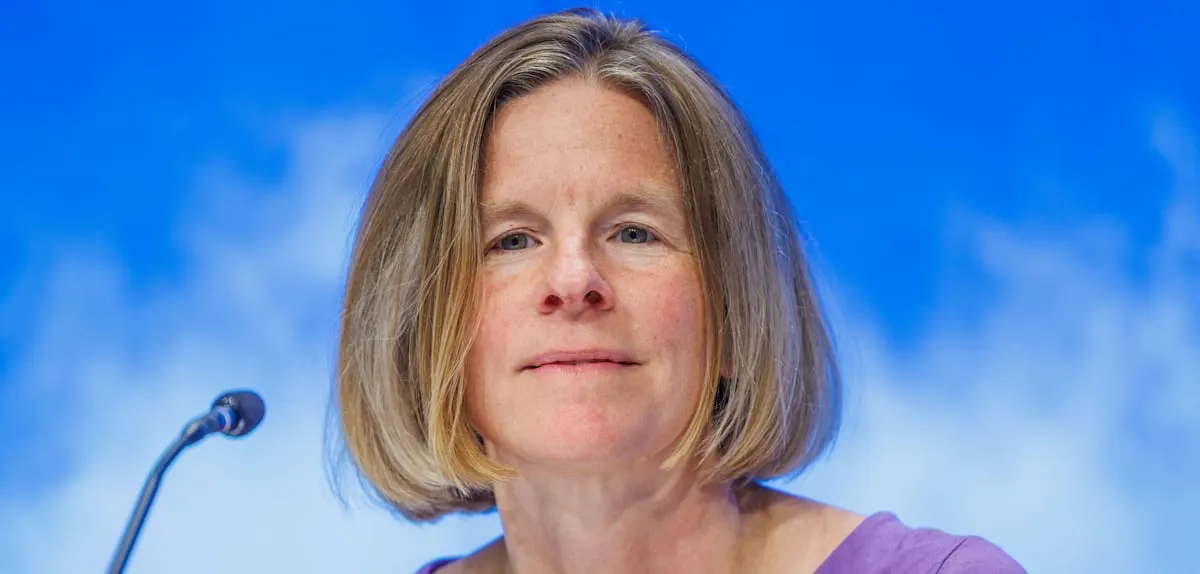
SCHWERIN – Constanze Oehlrich, the Green Party's parliamentary group leader in the Mecklenburg-Vorpommern state parliament, unexpectedly announced her resignation earlier this week. This drastic decision comes just weeks before crucial state elections, following a national media report revealing alleged sexual harassment scandal.
The report, published by the WELT newspaper, served as the primary trigger for this upheaval. The source claimed the existence of a sensitive letter containing serious allegations against Oehlrich. Her figure is a key individual in the local German political arena, whose reputation is now at stake.
Despite her resignation, Oehlrich emphatically denied all accusations directed against her. She stated that her decision was made to maintain the stability and focus of the Green Party ahead of the approaching political contest.
This resignation creates significant turbulence for the Green Party in Mecklenburg-Vorpommern. With elections only weeks away, the party must now find a competent replacement and address the public trust crisis amidst campaign preparations.
The state election holds significant weight in Germany's political map. Its outcome will determine the strength of parties at the regional level and potentially influence the national political landscape as a whole. The Green Party, which has been striving to expand its influence, now faces a tough challenge to maintain momentum.
Ethical scandals or sexual harassment allegations are not new in German political history. Several similar cases have previously rocked major parties, highlighting the sensitivity of public morality issues. This phenomenon also demonstrates how vulnerable a party is to the reputation of its individual members.
The public and media are demanding full transparency from the Green Party and a thorough investigation into the allegations. These demands arise irrespective of Oehlrich's previous political position or contributions, reflecting a desire for strong accountability.
The Mecklenburg-Vorpommern Green Party has issued a brief statement. They accepted Oehlrich's resignation and pledged to address the issue seriously. The statement emphasized the party's commitment to ethical values and integrity.
With this resignation, Oehlrich's political future becomes uncertain. Her reputation is at risk, and questions regarding the truthfulness of the allegations remain pending, awaiting further clarification or investigation.
This internal crisis has the potential to affect the Green Party's vote share in the upcoming elections. Political observers predict a tough challenge for the party to maintain its electability amidst this storm of controversy, which could distract from their important agendas.
Opposition parties are highly likely to capitalize on this issue. They can use the scandal as ammunition to attack the Green Party's credibility, raising political tensions ahead of the election. Political dynamics in Germany are often influenced by such personal issues, as seen in the shifting power map of parties in various regions, for example, the discussions around similar dynamics in Germany's Political Barriers Collapse: AfD Gains Influence in Stendal.
Despite Oehlrich's denial, the legal implications of these allegations remain a question. Whether authorities will launch an official investigation, or if the case will be resolved internally by the party, its developments are yet to be seen.
Editorial Insight: The sudden resignation of a political faction leader always raises questions, especially leading up to a general election. Although Constanze Oehlrich denies the allegations, this incident highlights politicians' vulnerability to public scrutiny and the media's speed in uncovering sensitive issues. For the Green Party, the biggest challenge is managing public perception and proving their commitment to integrity, even when facing an internal political storm. The ripple effect of this scandal could alter electoral dynamics in Mecklenburg-Vorpommern, and potentially even affect the party's image at the national level, fostering a broader discussion about ethics in political leadership.