 Angel Doris
SALZBURG – Despite being removed from his position as Intendant (Artistic Director) of the Salzburg Festival, Markus Hinterhäuser's presence at the 2026 edition is profoundly felt. The shadow of his vision permeates the city's grandest stages, both through two key productions he meticulously planned and through the artistic essence he instilled, confirming his indelible mark on Europe's elite cultural landscape.
The surprising decision regarding Hinterhäuser's ouster, widely considered the architect behind some of the festival's most artistically successful editions, has sparked waves of discussion among critics and art lovers. Yet, the works he curated before his departure now form the core narrative of the Salzburg Festival 2026, proving that a visionary can transcend the confines of office.
The Salzburg Festival 2026, officially managed by new leadership, cannot escape Hinterhäuser's artistic legacy. The program he meticulously designed serves as the backbone of this grand event. This creates an intriguing dilemma: how does an institution move forward when the creative spirit of its predecessor remains so dominant?
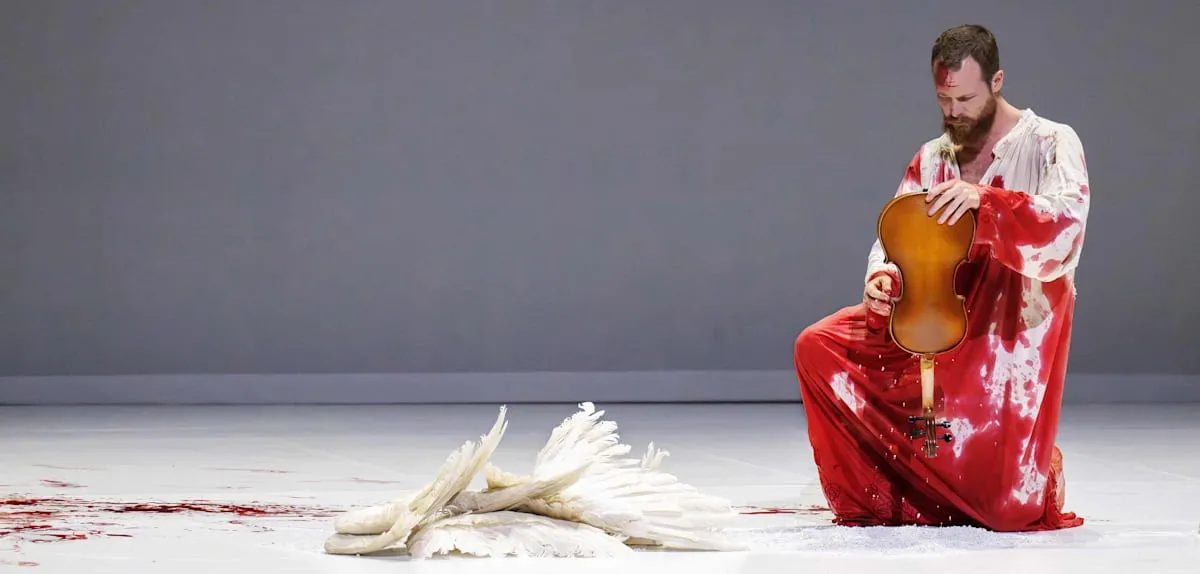
One of the prominent productions conceived by Hinterhäuser is a revolutionary modern opera, reinterpreting an 18th-century classic with bold contemporary flair. This performance successfully blended immersive technology with profound musical interpretation, creating a shocking and captivating experience for the audience.
The second production is a series of dramatic performances exploring current social and political issues of 2026 through the lens of experimental theatre. With provocative script selections and visionary directors, Hinterhäuser successfully pushed the boundaries of artistic expression and stimulated critical dialogue in an increasingly complex society.
Hinterhäuser's unseen presence highlights the complexities of leadership in major art institutions. Often, a director's vision becomes so intertwined with the festival's identity that structural changes do not necessarily erase their artistic influence. This serves as an interesting case study on artistic autonomy versus institutional administration.
The art community in Salzburg and Europe has expressed appreciation and admiration for the program presented. Critics laud the artistic depth and relevance, though many cannot help but attribute this success to Hinterhäuser's curatorial strategy. His indirect presence paradoxically strengthens his image as an irreplaceable figure.
The debate on how the essence of art is eroded by numbers in the modern music industry, as highlighted in the article about Jovanotti, finds resonance here. Artistic leadership often has to balance artistic ambitions with commercial demands. Hinterhäuser, through his program's legacy, demonstrates a prioritization of artistic integrity. Jovanotti Resahkan Industri Musik: Esensi Seni Tergerus Angka di Usia 60?
For the new Intendant, the challenge lies in forging their own identity without overshadowing or diminishing the grandeur that has been built. This is not merely about filling a position but about shaping the artistic future of a festival with a long history and a global reputation.
The Salzburg Festival 2026, therefore, becomes a symbolic stage. It is a celebration of boundless art, a reminder that a leader's true legacy lies in ideas and visions that continue to live on, even when the originator has departed from the seat of power. Markus Hinterhäuser's shadow in Salzburg is not a ghost, but an enduring manifestation of art's power.
Editorial Insight: The Markus Hinterhäuser phenomenon at the Salzburg Festival 2026 is not just a story of leadership change, but a broader reflection on the dynamics of power, vision, and legacy within cultural institutions. It demonstrates that the impact of a visionary leader can transcend their tenure, challenging institutions to redefine their identity amidst the monumental shadow of their predecessor. For the new leadership, the challenge is to transform this 'shadow' into a foundation of inspiration rather than a burden, ensuring relevant artistic evolution without losing the deeply embedded roots of excellence. This also highlights the importance of thoughtful succession planning in the art world, which often relies heavily on the individuality of an artistic director.