 Angel Doris
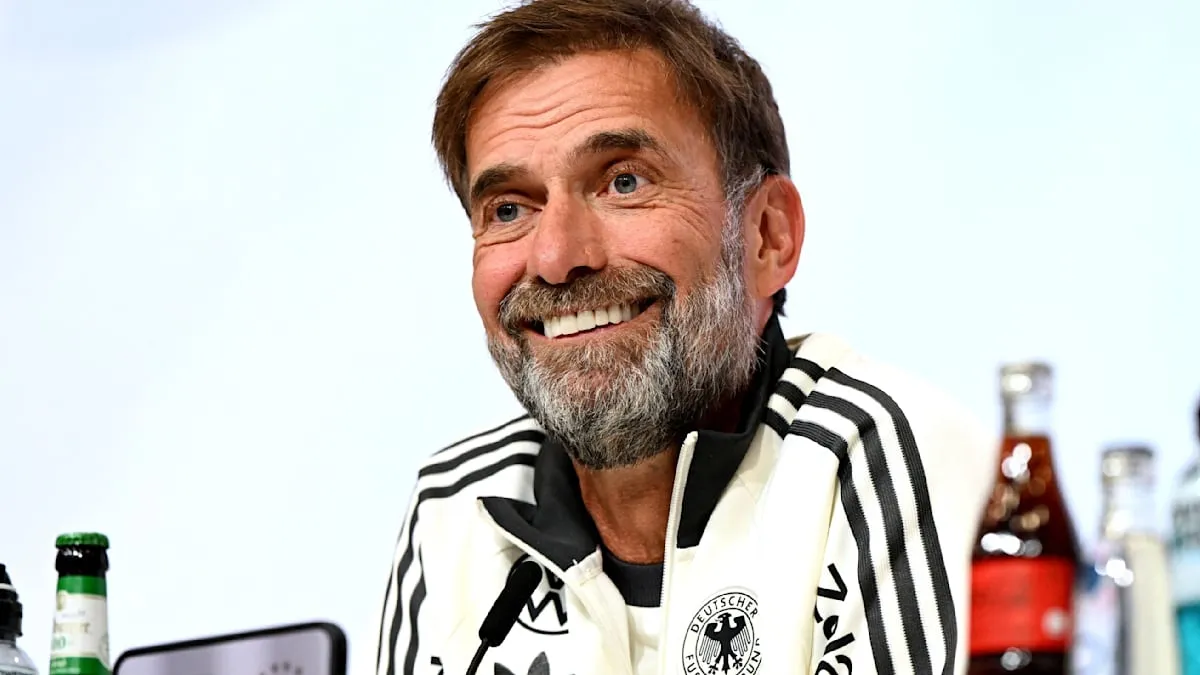
FRANKFURT – Germany's national team head coach, Jurgen Klopp, has refused to disclose who will lead the DFB-Team as vice-captain in the crucial UEFA Nations League match against Serbia. This decision comes amidst the absence of primary captain, Joshua Kimmich, leaving speculation and significant questions among football observers and the public.
Klopp, known for his unique and sometimes mysterious tactical approach, chose to remain silent regarding the appointment of this important figure. Kimmich's absence, a midfield pillar for Germany, necessitates a leader on the field who can guide the team, both technically and mentally. However, the legendary coach opted to postpone the announcement, letting the mystery linger until the last minute.
We have several players with extensive leadership experience within the squad, Klopp briefly told reporters, avoiding specific questions about the vice-captain's name. The decision will be made closer to the match. The most important thing is that the team plays as a unit.
Klopp's emphasis on team collectivity may indicate that he does not want to rely too heavily on one individual alone, but rather foster a shared sense of responsibility among the players. This aligns with Klopp's coaching philosophy, which often prioritizes fighting spirit and solid teamwork.
The match against Serbia in the UEFA Nations League is not just a friendly game. This prestigious competition can determine Germany's standing in European football, as well as serve as a benchmark for the team's readiness for subsequent major tournaments. Therefore, the presence of a leader on the field plays a vital role.
Joshua Kimmich's absence is certainly a significant loss for the DFB-Team. Kimmich is not only known for his excellent technical abilities but also his strong work ethic and leadership qualities. He often bridges the defense and attack lines, and motivates his teammates.
German media and football pundits are beginning to guess potential candidates. Names like Leon Goretzka, Marc-Andre ter Stegen, or even Ilkay Gundogan are often mentioned as the most logical choices. However, without confirmation from Klopp, all remain mere speculation.
Klopp's decision to keep the vice-captain's name secret could be a psychological strategy to keep opponents guessing, or perhaps to deliver a tactical surprise. It could also be a way for Klopp to pressure other players to show leadership initiative, regardless of who wears the armband.
On the other hand, this policy also raises speculation about potential internal team dynamics. Is Klopp still weighing the best options, or is he deliberately creating a 'mystery' to build a stronger narrative around his team? The German public is certainly awaiting answers with enthusiasm.
Earlier related article, Klopp Rombak Total Skuat Jerman: Akankah Serbia Jadi Titik Balik?, highlighted significant changes in Klopp's squad. This captain-related decision might be part of a larger strategy to reshape the team's identity after that overhaul.
Football fans, especially supporters of the Panzer team, hope this decision will not disrupt the team's focus and performance. Clarity in leadership structure is often a crucial foundation for team stability, particularly in high-pressure matches like the UEFA Nations League.
Germany faces high expectations to return to peak performance on the international stage. Every decision Klopp makes, no matter how small, will always be scrutinized and deeply analyzed by the media and critics. This secret captain policy adds a layer of drama ahead of the important match.
The match against Serbia is projected to be a tough test. Serbia has a competitive squad and is known for its aggressive play. Germany's ability to handle pressure and demonstrate effective leadership on the field will be key to achieving a positive result.
Editorial Insight:
Jurgen Klopp's decision to keep the vice-captain's name secret is indeed provocative, but can be interpreted as a clever strategy. By not explicitly naming a single individual, Klopp might want to encourage every player to take initiative and leadership responsibility. This also has the potential to create an element of surprise for opponents, while building anticipation among supporters. The long-term impact lies in how the players respond to this trust, and whether this strategy is effective in building team cohesion without Kimmich's presence.