 Demian Sahputra
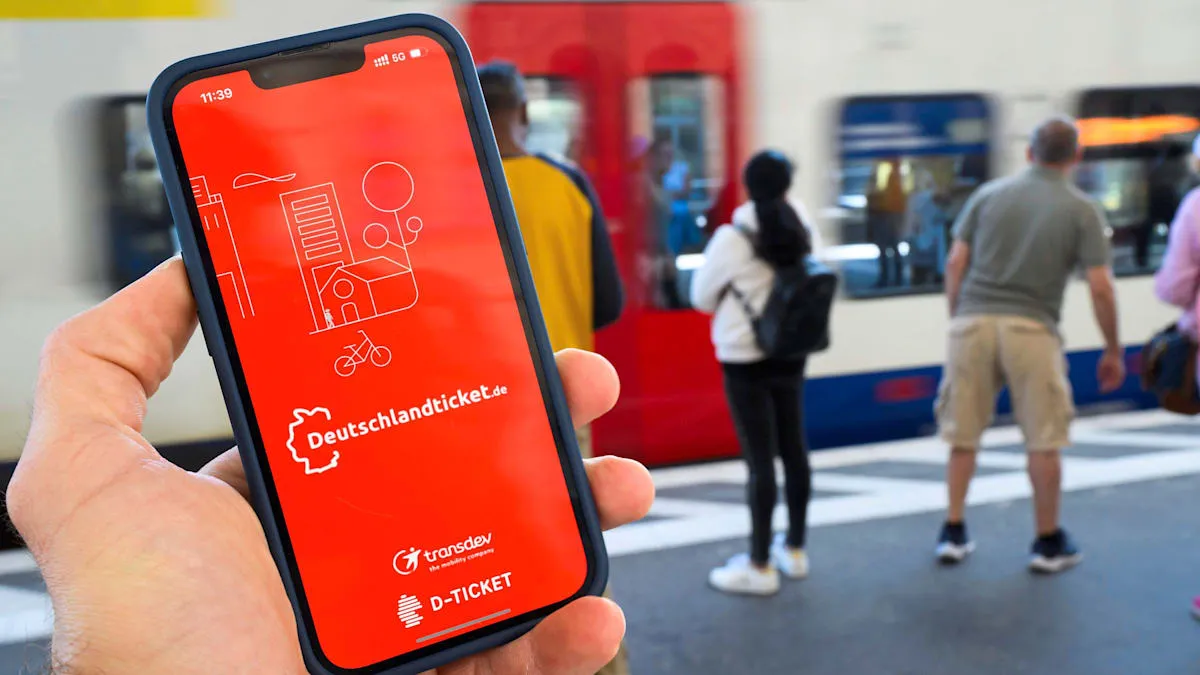
BERLIN – Deutsche Bahn has announced a significant fare increase for the Deutschlandticket starting in January, triggering a wave of protests from environmental organizations. The price hike to 66.80 Euros per month is deemed counterproductive by the German Federation for Environment and Nature Protection (BUND), especially given the introduction of new fuel subsidies that encourage private car use.
This decision comes amid the German government's efforts to encourage a societal shift towards more environmentally friendly public transport modes. The Deutschlandticket, introduced as an affordable monthly ticket for Germany's entire regional and local transport network, has been a key pillar of this strategy.
Since its launch, the ticket has been a vital instrument in reducing carbon emissions from the transport sector. Thousands of citizens have switched from private cars to trains and buses, appreciating the convenience and cost savings it offered.
However, with the new fares set to take effect at the beginning of 2026, the ticket price will jump from 49 Euros to 66.80 Euros. This increase of nearly 36% immediately raises concerns about a potential return to private vehicle use.
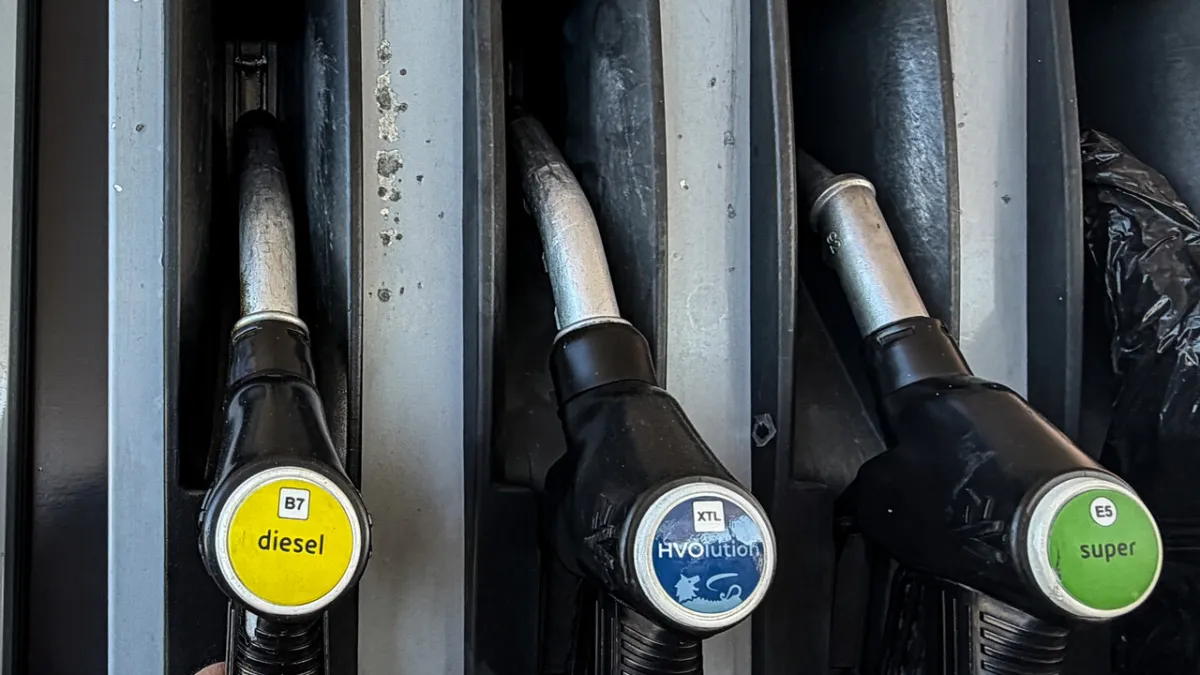
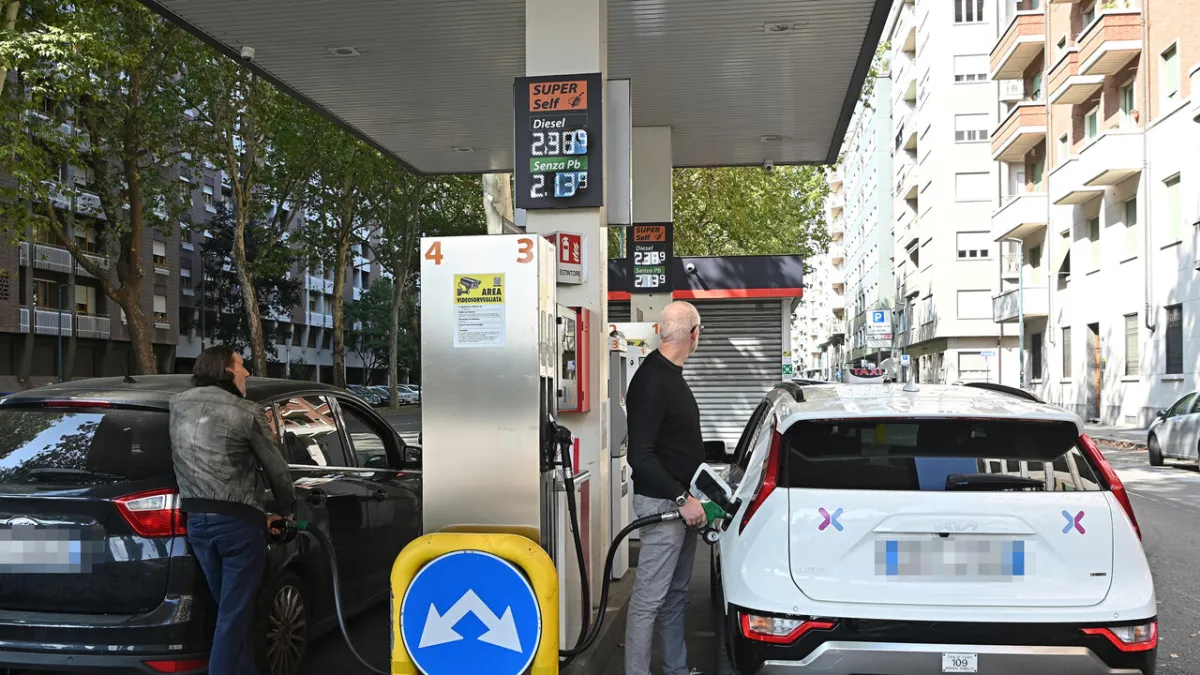
BUND, through its official statement, vehemently condemned Deutsche Bahn's policy. They highlighted the irony of raising public transport fares at a time when the government is offering incentives in the form of fuel discounts, which indirectly stimulates the use of fossil fuel-powered cars.
'This price increase for the Deutschlandticket is absolutely unacceptable,' stated a BUND spokesperson during a virtual press conference. 'This is a serious setback for Germany's climate ambitions and will directly undermine our efforts to reduce air pollution and urban congestion.'
The organization argues that government policies must be consistent in supporting sustainable public transport. Fuel incentives and ticket price hikes create contradictory market signals, confusing consumers and hindering the adoption of environmentally friendly habits.
Affordable pricing was key to the Deutschlandticket's success. Many observers predict that this drastic increase will lead to a decrease in subscriber numbers, especially among low and middle-income individuals who rely heavily on cost efficiency.
Deutsche Bahn itself argues that the fare increase is necessary to cover rising operational costs, including inflation and investments in infrastructure modernization. However, this explanation has not managed to placate public disappointment and criticism from advocacy groups.
The federal government now faces a dual pressure: maintaining its climate commitments while ensuring public transport accessibility. How the government addresses the dilemma between fuel subsidies and soaring ticket fares will be a crucial test for the future direction of German environmental policy.
Editorial Insight:
The decision to raise the Deutschlandticket price highlights a latent tension between the financial needs of transport operators and broader climate policy goals. Without better coordination between fiscal incentives and transport subsidies, Germany risks losing momentum in its green transition. The sustainability of initiatives like the Deutschlandticket depends not only on public acceptance but also on on coherent and long-term policy support.