 Debby Wijaya
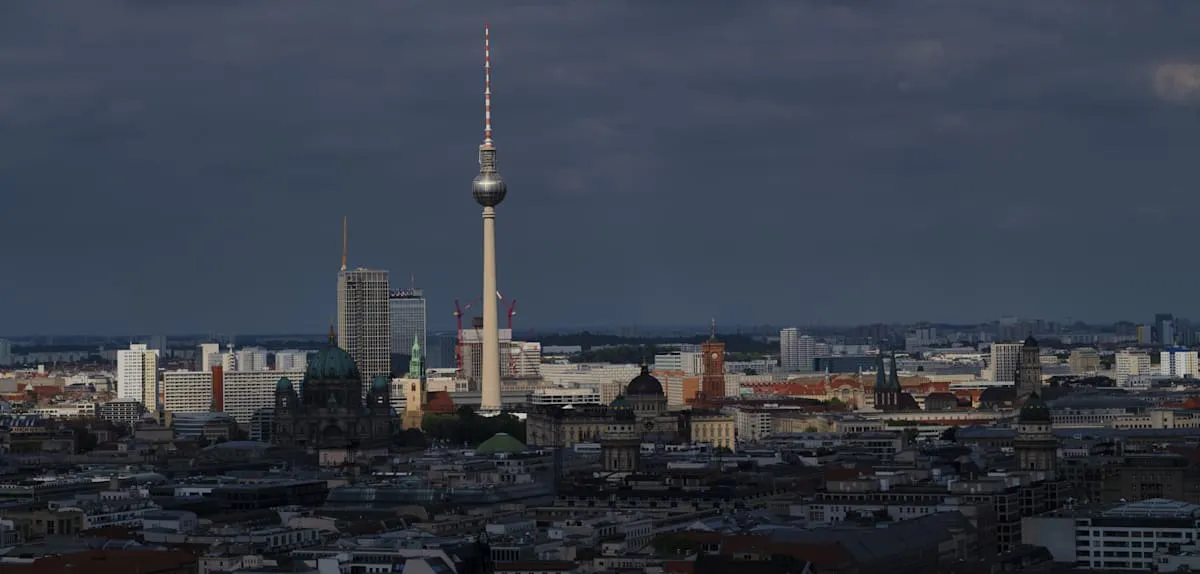
BERLIN — Germany is ambitiously positioning itself at the forefront of the global race to develop the world's first nuclear fusion power plant, a breakthrough that could revolutionize global energy supply. Leading physicist Wolfgang Biel describes this prospect as “realistic” despite billions of euros in costs and significant technical uncertainties, underscoring the nation's determination to lead the future of energy transition.
Nuclear fusion, a process mimicking the sun's energy, promises an almost infinite, clean, and safe power source. This concept has long been hailed as the ultimate solution to human energy challenges, offering an environmentally friendly alternative to fossil fuels and even traditional nuclear fission.
However, realizing fusion on Earth requires mastering complex technology to control plasma at millions of degrees Celsius. Massive investments and years of research have been poured in by various nations, making fusion development one of the most intense scientific and technological competitions of the 21st century.
Wolfgang Biel, a prominent fusion physics expert in Germany, explained that while challenges remain substantial, significant progress in recent years has fueled optimism. “We have seen breakthroughs in plasma stability and heating efficiency that bring us closer to the energy breakeven point,” Biel stated in a recent interview.
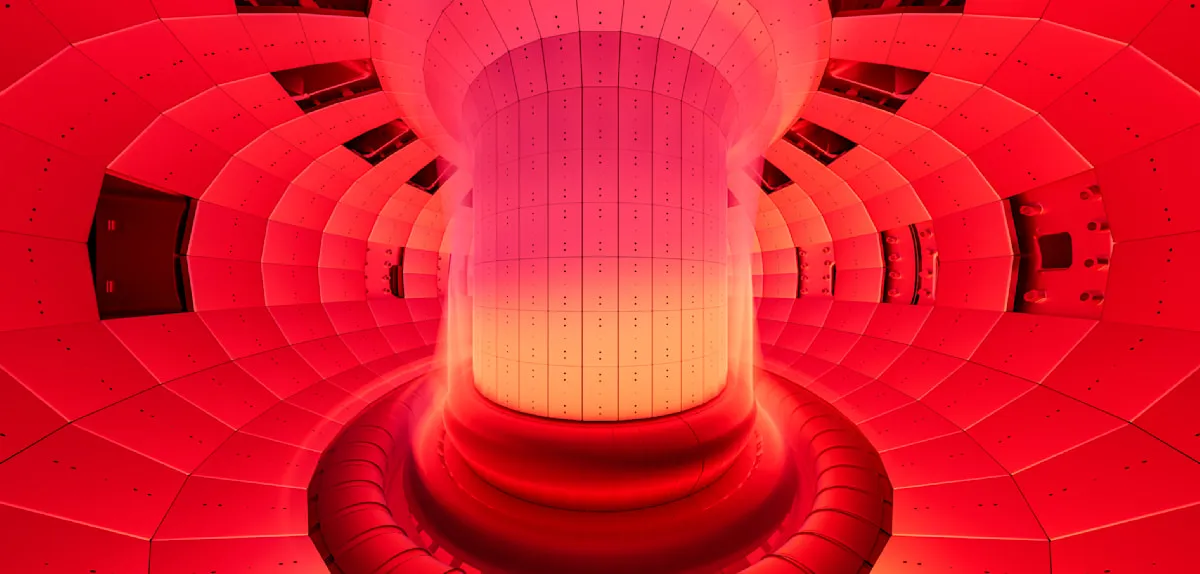
Germany's strategy to win this “fusion race” involves a combination of strong government investment, industrial collaboration, and a focus on developing stellarator-type reactors, such as the renowned Wendelstein 7-X. This approach distinguishes Germany from other nations heavily invested in tokamak technology.
Stellarators' advantage lies in their ability to operate continuously without requiring repeated cycles, a challenge for tokamak designs. This potentially simplifies the process and makes it more commercially viable in the long run.
The cost of fusion development is indeed substantial. Large-scale projects require immense funding, and success is not guaranteed. Nevertheless, the potential reward of abundant clean energy drives increasing global investment.
Germany's experience with large-scale energy projects also offers valuable lessons. Take, for example, wind power plant projects. While promising, challenges such as environmental impact and decommissioning costs have tested investment resilience. Cases like the dismantling of giant wind turbines in Germany show that even renewable energy technologies face unforeseen obstacles.
With nuclear fusion, the challenge is on a different scale. It is not just about infrastructure, but about creating and sustaining extreme conditions never before achieved continuously on Earth.
However, the hope for an inexhaustible energy source with minimal long-term radioactive waste continues to motivate scientists and governments. If successful, Germany's first nuclear fusion power plant would not only secure the nation's energy future but also set a new standard for the entire world.
Experts predict that a full-scale demonstration of a fusion plant generating net energy could materialize in the coming decades, with some of the most optimistic scenarios targeting the 2050s. However, Biel's optimism suggests Germany might have a more aggressive timeline.
The economic and geopolitical potential of possessing the first commercial nuclear fusion technology is immense. The nation that masters it will hold the key to energy independence and significant global influence. This is an investment not just in science, but in future sovereignty.
In conclusion, the journey to fusion energy is fraught with challenges that test the limits of human innovation. Yet, with strategic leadership and investment, Germany's vision for the world's first fusion plant now appears to be more than just a dream, but a “realistic” possibility being intensively worked on in 2026.