 Angela Stefani
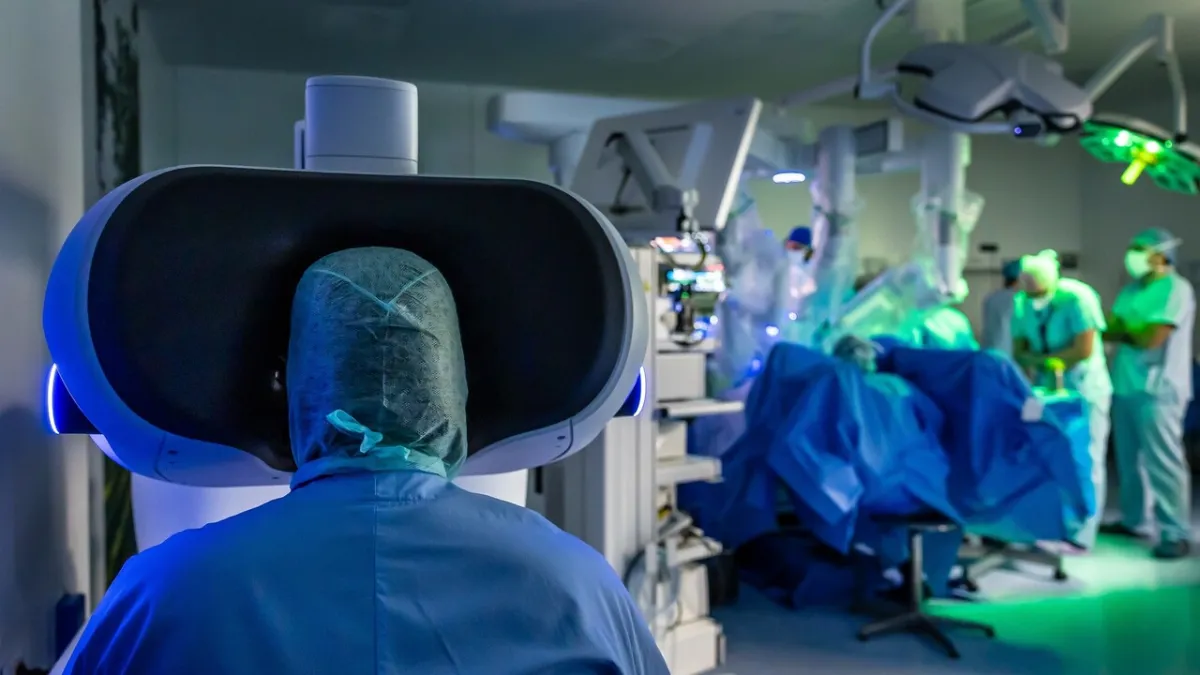
NEGRAR, ITALY – A significant breakthrough in modern medical practice has emerged in Negrar, Italy, where a hospital is pioneering a revolutionary surgical protocol. This innovation combines environmentally friendly anesthesia, known as green anesthesia, with a new policy allowing patients to consume food just two hours after undergoing surgical procedures. This progressive step is designed to fundamentally transform the patient experience and accelerate the recovery process.
This new protocol effectively dismantles the long-standing tradition of extreme pre-operative fasting and delayed nutritional intake post-procedure. For decades, patients were instructed to fast for many hours, sometimes overnight, before major surgery, followed by a prolonged period of food abstinence afterward. This practice, while considered necessary, often caused significant discomfort and could potentially slow down recovery.
Green anesthesia forms the backbone of this innovation. This approach utilizes anesthetic agents with a lower carbon footprint and minimal environmental impact, while also offering a faster recovery profile for patients. Its clinical advantages include reduced post-operative nausea, more controlled sleep duration, and a clearer return to consciousness.
The decision to allow patients to eat just two hours after surgery is a new paradigm. Conventional methods often delay the provision of solid food for six to twelve hours or even longer, fearing complications such as vomiting or aspiration. However, recent research and the experience in Negrar demonstrate that early nutritional intake is actually crucial for blood glucose stabilization and digestive function.
We are witnessing firsthand how this protocol dramatically improves the quality of patient recovery, stated Dr. Alessandro Bianchi, Head of the Surgery Department at Negrar hospital. Patients not only feel more comfortable and regain energy faster, but we also observe a decrease in post-operative complications. This is a victory for both patients and the environment.
The implementation of this protocol is not solely driven by a desire to enhance patient comfort but is also supported by strong scientific evidence advocating the benefits of short fasting periods and early nutrition. Patients whose bodies receive nutrition sooner tend to have better immune responses and more optimal wound healing processes.
In contrast, old methods involving prolonged fasting can lead to temporary insulin resistance, electrolyte imbalances, and increased metabolic stress on the healing body. The protocol at Negrar significantly reduces this burden, allowing the body to focus its energy on regeneration and recovery.
The bold step taken by the medical facility in Negrar places it at the forefront of global surgical innovation. The potential for similar protocols to be adopted by other healthcare institutions worldwide is immense, given the tangible benefits for patients and the environmental sustainability it offers.
An era of patient-centric and environmentally sustainable medicine is increasingly finding its footing. Negrar has proven that with innovation and courage, practices deeply rooted for decades can be updated for better, more humane outcomes.
Editorial Insight: The surgical revolution in Negrar represents a crucial philosophical shift in the medical world. It is not merely a procedural refinement but a paradigm shift towards a more holistic and evidence-based approach, prioritizing patient comfort and environmental impact. If widely replicated, this protocol has the potential to become the new gold standard in perioperative care globally, accelerating the recovery of millions of patients and reducing the ecological footprint of medical operations. However, the challenges of adoption in various healthcare systems, which may still be bound by old practices, remain an obstacle that needs to be overcome through consistent education and empirical evidence.