 Angela Stefani

BERLIN – The German government has officially accused Russian President Vladimir Putin of masterminding a drone attack targeting vital facilities in Leipzig. This serious accusation, which emerged in early 2026, immediately triggered a strong reaction from the European Union and NATO, who affirmed their readiness to provide a firm and coordinated response to the aggression.
German Foreign Ministry spokesperson, Anna Lena Schmidt, stated at a press conference in Berlin that the evidence gathered indicates direct Kremlin involvement. We have credible information pointing to Moscow's interference. This is no longer mere speculation, but a real threat to our sovereignty and critical infrastructure security, Schmidt asserted.
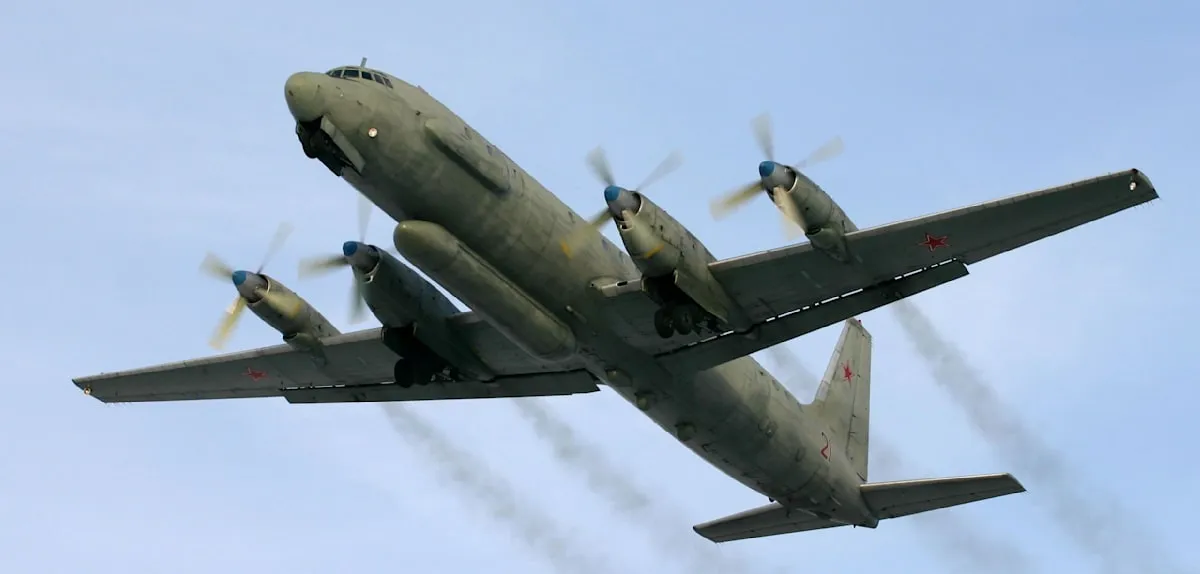
Reports suggest the drone incident in Leipzig caused significant disruption to several regional logistics and energy facilities. Although physical damage was minimized by defense systems, the incident underscored the vulnerability of German infrastructure networks to hybrid attacks, as national security experts had warned.
Following Berlin's accusations, NATO Secretary General, Jens Stoltenberg, promptly issued a statement. He strongly condemned the attack and affirmed the alliance's solidarity. Any form of hybrid aggression against a NATO member state is an attack on the entire alliance. We will respond proportionally and decisively, Stoltenberg stated, adding that emergency consultations were underway.
The European Union also condemned the incident, highlighting Russia's escalating pattern of destabilization in the region. EU High Representative for Foreign Affairs, Josep Borrell, called for unity and a consistent response from member states. Europe will not stand idly by when its fundamental security is at stake, Borrell said in a press statement from Brussels.
Initial analysis suggests that the drone attack was part of a broader strategy to test defenses and divide Western solidarity. Similar scandals, linking a Belarusian mastermind to attacks in Leipzig, have been uncovered, revealing a more complex European network. For further information, readers can refer to the related article: Italy Visa Scandal: Belarusian Mastermind of Leipzig Attack Uncovers European Network.
The diplomatic fallout from this incident was immediate. The Russian Embassy in Berlin received a strong protest note, and German diplomats in Moscow were summoned for clarification. Tensions between the two countries reached a new boiling point, after Berlin had previously fiercely denounced Russia by declaring, The Deception is Over, indicating a radical shift in bilateral relations.
International political observers believe that the Leipzig incident will accelerate the imposition of new economic sanctions against Russia. The European Union and the United States, under President Donald Trump's leadership, are actively evaluating options to increase pressure on the Kremlin, including targeting vital assets and the energy sector.
Ukraine, as the country most affected by Russian aggression, also urged the international community to strengthen air interceptor capabilities. Ukrainian President Volodymyr Zelenskyy stressed the importance of robust air defense systems post-Leipzig to protect airspace from drone and missile threats.
Concerns about Russia's hybrid threats have been a central focus of Europe's security agenda for the past several years. Recent intelligence reports indicate that Germany's power grid, for example, is highly vulnerable to sabotage, a fact now proven. More information is available in the article: German Power Grid Vulnerable: Experts Reveal Easy Sabotage Tactics.
This incident also sparked intense debate within Germany regarding national defense and security strategy. While the federal government affirmed readiness, the opposition called for greater investment in anti-drone technology and cyber intelligence.
Globally, reactions to Germany's accusations have varied. Some countries fully support Berlin's move, while others call for dialogue to de-escalate tensions. However, the general consensus indicates that the international community cannot tolerate actions that threaten regional stability.
Editorial Insight:
The drone incident in Leipzig marks a significant escalation in the geopolitical conflict between the West and Russia. Germany's direct accusation against President Putin is not mere diplomatic rhetoric, but a strong indication of substantial intelligence evidence. The collective response from the EU and NATO shows a growing consensus to confront Russia's hybrid threats more decisively. Moving forward, we are likely to see a dramatic increase in defense budgets, strengthening of cyber security systems, and potentially heavier waves of economic sanctions. European stability will heavily depend on how effectively the Western alliance can thwart the Kremlin's destabilizing tactics, while also maintaining open lines of communication to avoid wider conflict.