 Angel Doris
BERLIN – A serious incident has shocked the German public after a Deutsche Bahn (DB) employee suffered life-threatening injuries falling from a train. This tragic event swiftly implicated a passenger, with the Public Prosecutor's Office urgently requesting an arrest warrant. However, the District Court unexpectedly rejected this demand, sparking a legal debate and a strong statement from the suspect's lawyer, who insisted his client “did nothing and was completely defenseless.” The incident occurred on a German commuter train route in early 2026.
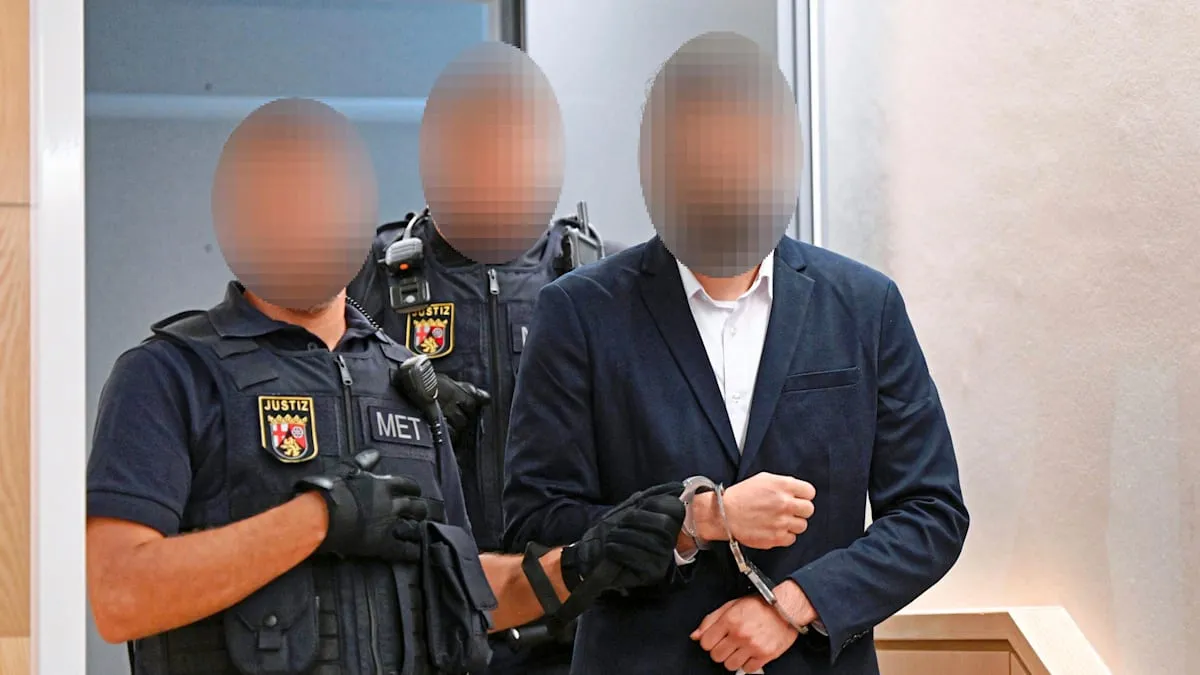
The Public Prosecutor's Office in Berlin, through its spokesperson, affirmed that they had found substantial evidence meeting the legal requirements for issuing an arrest warrant against the passenger, whose identity remains undisclosed. They believe the passenger's involvement led to the DB employee falling from the moving carriage, resulting in life-threatening injuries. This claim is based on initial investigations and eyewitness accounts gathered by the investigative team.
The District Court's decision to deny the arrest warrant application became a focal point. The presiding judge argued that the evidence presented by the prosecution was not yet sufficient to justify pre-trial detention. The court emphasized the importance of the presumption of innocence and caution in taking legal steps that restrict an individual's freedom. This rejection indicates a substantial difference in opinion between German law enforcement agencies regarding the weight of the available evidence.
Andreas Schmidt, the lawyer representing the accused passenger, wasted no time issuing a strong rebuttal. In a brief press conference outside the courthouse, Schmidt declared, “My client did nothing. He was completely defenseless in that situation.” This statement implies that the incident might have been a pure accident, or that his client was in a passive position and had no active role in the victim's fall.
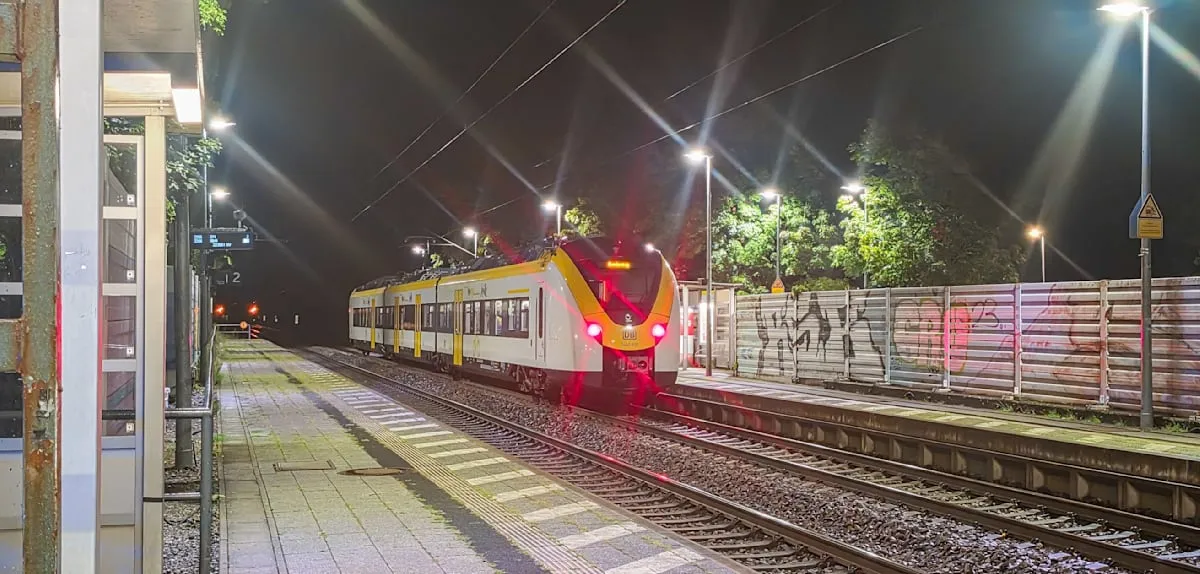
The tragic incident reportedly occurred at night on one of the railway lines connecting two major cities in western Germany. Eyewitnesses mentioned a minor commotion inside the carriage just before the event. The unfortunate DB employee, a senior conductor with over twenty years of experience, remains in critical condition in the hospital, fighting to recover from severe head and spinal injuries.
This event also triggered public concern regarding the safety of train travel in Germany, especially for on-duty staff. Deutsche Bahn (DB), as the national railway operator, issued a statement expressing deep concern over the incident and pledged full support for the investigation process. They also underscored their commitment to ensuring safety for both employees and passengers.
Such cases, involving serious injuries and accusations against passengers, often become legally complex in Germany. German criminal law demands convincing evidence to establish guilt, especially in cases that could lead to severe penalties. The court's rejection of the arrest warrant underscores the high standards prosecutors must meet in building their cases.
The German public, following the case's developments through various media platforms, showed diverse reactions. Many called for justice for the injured DB employee, while others stressed the importance of awaiting objective investigation results and not rushing to judgment against the accused passenger. Discussions concerning individual responsibility and public transport safety dominated online forums.
With the rejection of the arrest warrant, the focus now shifts to the next legal steps. The prosecution is expected to continue their investigation, seeking additional evidence that might convince the court. Meanwhile, the defense will persist in proving their client's innocence, possibly by presenting counter-evidence or testimonies supporting their defense narrative. The judicial process is predicted to be lengthy and challenging.
This case represents a critical test for the German justice system, balancing the demands for justice for the victim with the legal rights of the suspect. The final decision will heavily depend on the interpretation of evidence and legal arguments presented by both parties in higher courts. The public awaits transparency and fairness in handling this tragic incident that has disrupted the tranquility of train travel in the country.