 Dorry Archiles
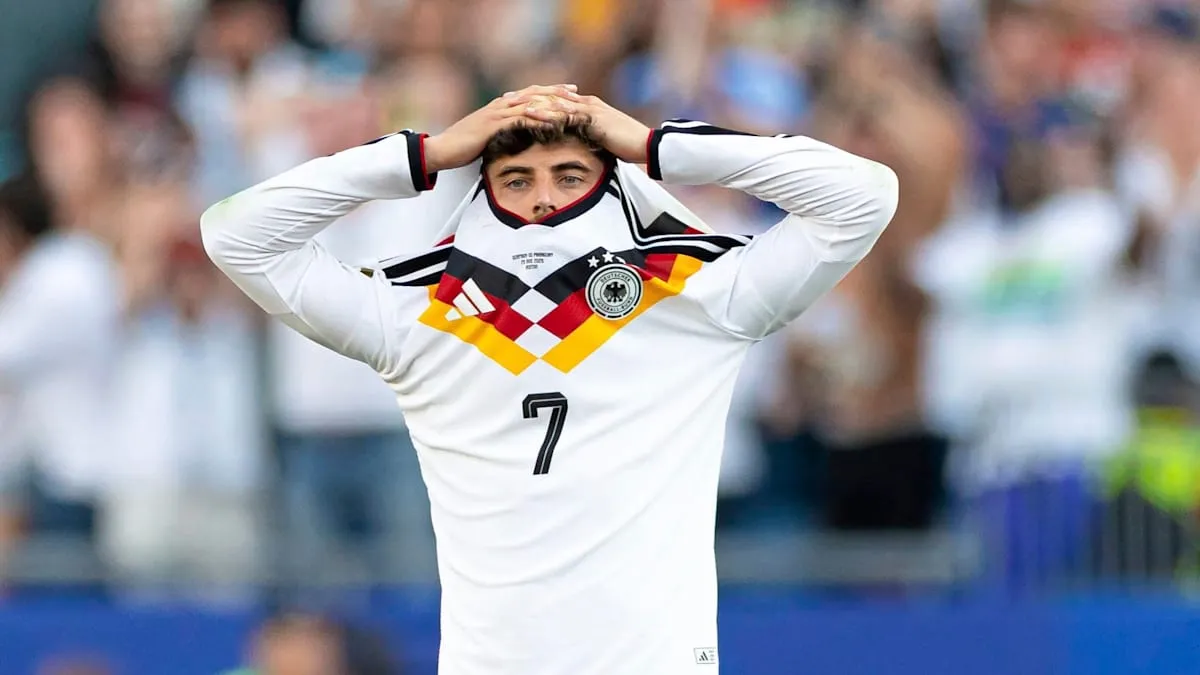
LEIPZIG – The German National Football Team, or DFB-Elf, is set to play a crucial match against the Netherlands in the UEFA Nations League group final this coming Monday. This fixture is not merely a determinant of their fate in the European competition, but a historic moment marking their farewell to the iconic Adidas jersey, a partnership spanning decades, before Nike officially takes over in 2027.
This battle on the pitch is immensely important for Die Mannschaft, as the German team is known. They face a complex scenario, ranging from opportunities to advance to the next stage to the threat of relegation from the top tier of the Nations League. Every touch of the ball and tactical decision will influence their standing in European football.
However, the primary focus extends beyond the field: the kit they wear. After decades of symbolizing German football pride, the Adidas uniform will make its final appearance. The Adidas-Germany partnership has birthed countless memories of triumph, including numerous World Cup and European Championship titles.
This change in sportswear brand represents a monumental new era. The contract with Nike, which will officially commence in 2027, signals a significant shift in the commercial landscape of international football. This agreement is tangible proof of the ever-evolving business dynamics within modern sports.
The German Football Federation (DFB) itself has announced the decision to transition to Nike after its contract with Adidas expires. This decision, though surprising to some, was made based on financial considerations and the potential for broader brand development for German football on the global stage.
For players and fans alike, the farewell to the Adidas jersey will likely evoke nostalgia. Many generations grew up watching their heroes compete with the distinctive three stripes of Adidas across their chests. The new era with Nike will undoubtedly create a different visual identity, which is hoped to be embraced and bring new spirit.
Returning to the match, the clash against the Netherlands in the Nations League is not solely about symbolism. It is a genuine test of strength. Both teams are known for their fierce rivalry and attractive attacking styles of play. The outcome of this match will determine who deserves to advance or who must fight harder in subsequent competitions.
The DFB-Elf needs to win this match or at least secure a positive result to cement their position. A slip-up in the final game could entail serious consequences, including potential relegation to a lower division, which would harm Germany's seeding in future international tournament draws.
Issues such as global brand competition and performance pressures in leagues like the Nations League continue to be under scrutiny. For instance, debates surrounding racism in football, highlighted in the context of the English Premier League and claims from Spain, as previously reported, demonstrate the complexity of this sports ecosystem. (Tuchel Inggris Tantang Klaim Spanyol: Rasialisme Sepak Bola Masih Mengakar?)
With all the stakes involved, the Germany versus Netherlands match is predicted to be an emotional and dramatic spectacle. This is not just an ordinary football game; it is a transition, the end of one chapter and the beginning of a new, highly anticipated one for the German national team.
Editorial Insight: The DFB's shift in partnership from Adidas to Nike reflects a global trend where major sports federations seek the most financially and strategically advantageous deals, regardless of historical ties. This decision will likely spark debate among loyal fans, but from a business perspective, it is a pragmatic calculation to maximize revenue and brand exposure in an era of intense sponsorship competition. The long-term impact on the visual identity and public perception of the German national team will be fascinating to observe.