 Robert Andrison
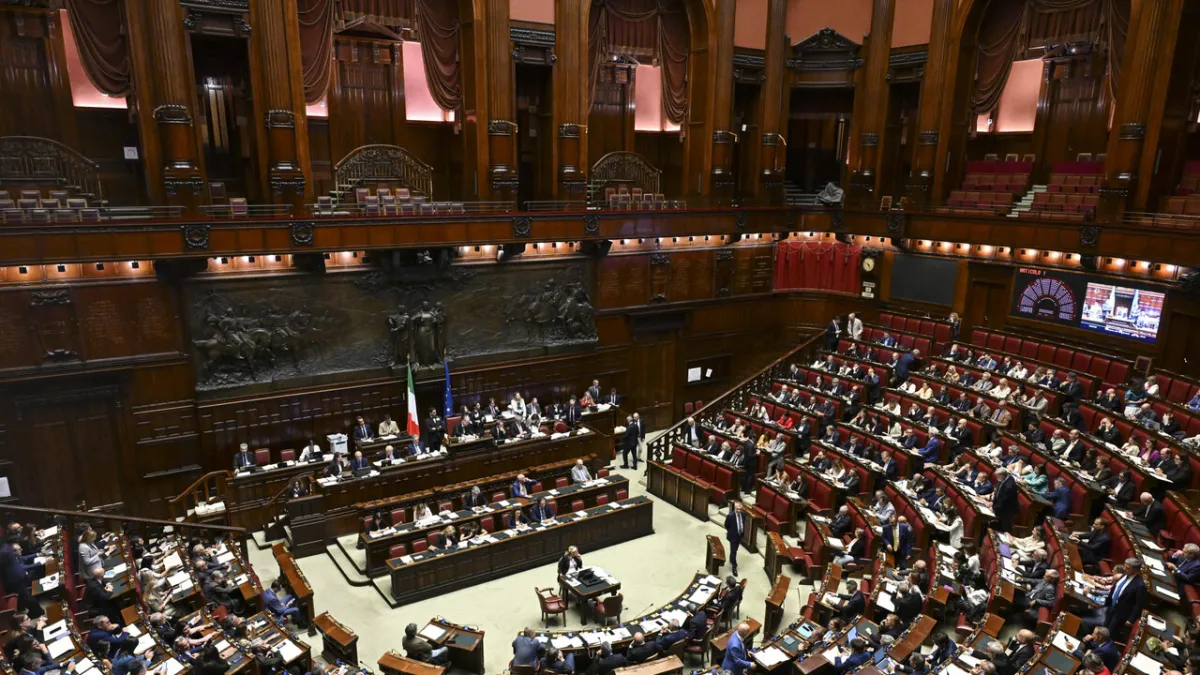
ROME — Italy's draft electoral law has hit a rough patch in parliament, with the rejection of the preference clause sparking deep divisions within the ruling coalition. This crucial decision comes just before the final vote in the Chamber of Deputies this week, signaling a potential political crisis threatening the stability of Prime Minister Giorgia Meloni's government in 2026.
The rejection of the preference clause, which allows voters to directly choose their preferred candidates, emerged after intense debates that exposed ideological fissures among the constituent parties of the coalition. Certain factions insisted on maintaining a more proportional system, while others pushed for strengthening the role of parties.
This situation raises serious questions about the coalition's ability to reach consensus on vital legislative issues. Without solid majority support, the discussion of other important laws risks being delayed or even completely derailed.
Prime Minister Giorgia Meloni, who leads the center-right coalition, now faces the daunting challenge of reuniting her ranks. Reportedly, several emergency meetings have been held to defuse tensions and seek a compromise solution acceptable to all parties. The scope of this issue highlights the perennial complexity of Italian politics, as previously covered in the article "Political Intrigue Storm Shakes Italy's Right-Wing Coalition, Meloni Still Advancing!".
This rejection of preferences is not the first time the coalition has faced similar obstacles. Previously, "Italy's Political Scandal: Government Preferences Fail in Parliament!" also emerged, indicating a persistent pattern of disagreement regarding electoral system reforms.
Political analysts believe that this rift could set a bad precedent for the future of the government. If the divisions persist, speculation about a possible cabinet reshuffle or even early elections becomes unavoidable. Political stability is key to implementing the economic and social reform agenda that has been outlined.
Opposition parties, such as the Democratic Party (PD), immediately seized on the situation to criticize the ruling coalition's inconsistency and weaknesses. They called for transparency and a more participatory legislative process, accusing the government of failing to manage internal disagreements for the good of the country.
The Italian public also expresses concern. Recent public opinion surveys indicate a decline in confidence in politicians' ability to work together for the common good. The issue of political stability is often a central focus, given Italy's rich history of government changes.
The long-term consequences of the failure of this electoral law reform could be very significant. Without an agreed legal framework, the democratic process could face challenges in terms of representation and legitimacy, potentially leading to voter apathy.
The government must now act quickly to resolve this stalemate. Compromise and intensive negotiations will determine whether the coalition can perpetuate its power or be forced to face a bleaker political reality in the years to come.
Observers highlight that this is a true test of leadership for Prime Minister Meloni. Her ability to rebuild consensus among her allies will determine the political direction of Italy amidst the uncertain global dynamics of 2026.